The East Coast Main Line was closed north of Berwick-upon-Tweed, with an hourly LNER service to Edinburgh via the Tyne Valley, Carlisle, the West Coast Main Line and Carstairs. I know, because I did the diversion returning home on Sun 14th. TransPennine Express was not prepared, with a very full 3-car Class 185 DMU to Liverpool instead of the usual 5-car Nova 1 bimode Class 802 Hitachi train. At Newcastle, the curves in the station roof were noted and yes, they really did destroy medieval Newcastle to build a railway round the castle (but kept the keep to view the railway)!
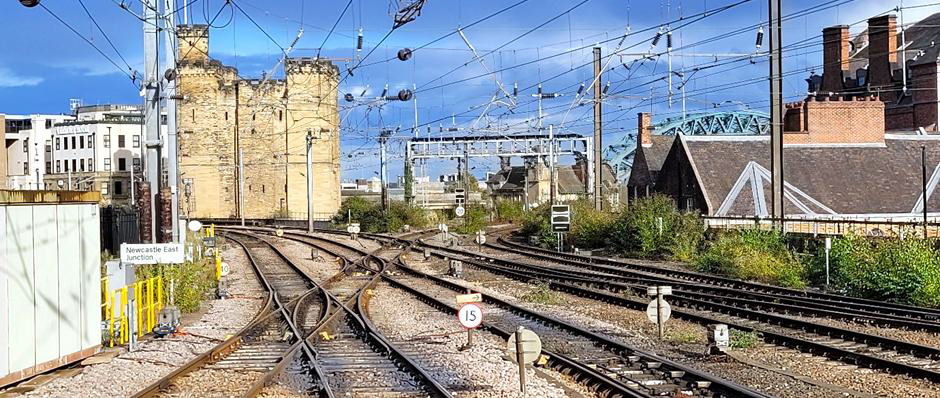
Looking towards the Keep at Newcastle.
[© Crinan Dunbar 2025]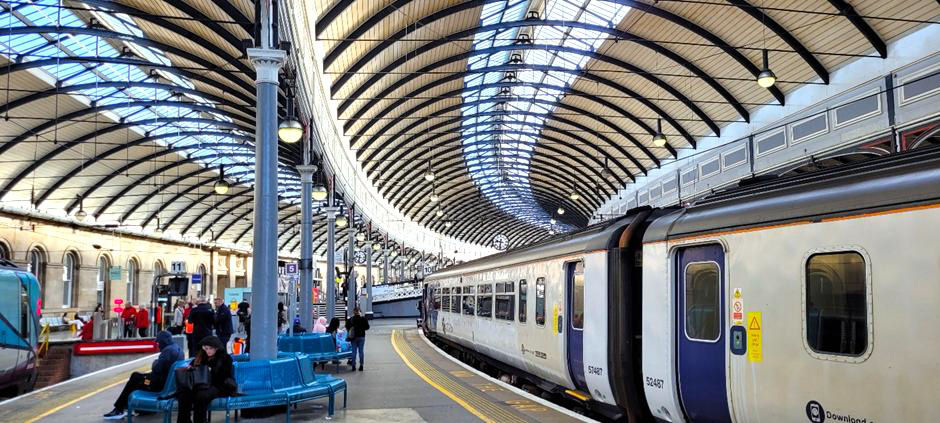
Curves in the roof at Newcastle.
[© Crinan Dunbar 2025]In bay P2 at Darlington, we admired the stabled Rail 200 Inspiration exhibition train with GBRf 66710 'Karen Harrison' who was the first British Rail female 'second man' and driver. Both bays P2 & 3 will see much less use when P5 & 6 open - essentially just for overnight stock stabling, with the last passenger arrivals of the day from Saltburn and first morning departures. Our group waited at P4 South; a clean refurbished Class 156 DMU from Saltburn, with lots of seats and charging points, then took us to Shildon.
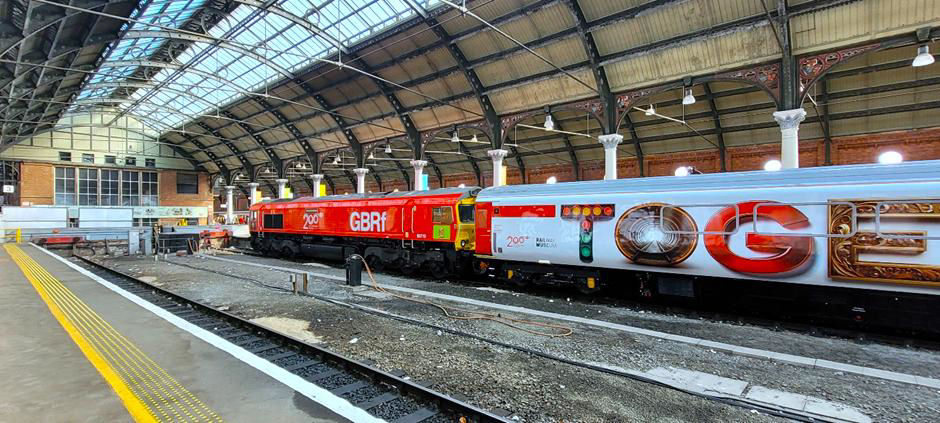
Railway 200 (not Rail 200) Exhibition train in Darlington P2 which will be used less when P5 & 6 open.
[© Crinan Dunbar 2025]Next to Shildon station, we saw the restored former Stockton & Darlington Railway (S&DR) Grade II* listed coal drops (1847).
https://tinyurl.com/mr64vjmf has more; perhaps the world's first attempt to speed up coaling of steam locos. On 13 May 1825, Timothy Hackworth was appointed as superintendent of locomotives of the S&DR, a post he held until May 1840. Adam took us to see 'Soho House' at Shildon, where Hackworth lived. He was succeeded by Willim Bouch. Also extant is the S&DR goods shed here (circa 1857) and Kilburn's Warehouse (1826) - latterly used as a paint shop. The Grade II* listed Shildon signal box was built in 1887; it controlled the connections to Shildon Wagon Works, once a major centre for wagon building and repair. A McKenzie and Holland frame with 55 levers was installed in 1928. This frame was later reduced to 42 levers in 1984, latterly with 16 in use. From 4 Mar 2025, remaining semaphore signals were replaced by LEDs still controlled by the box here, as is the Bishop Auckland area.
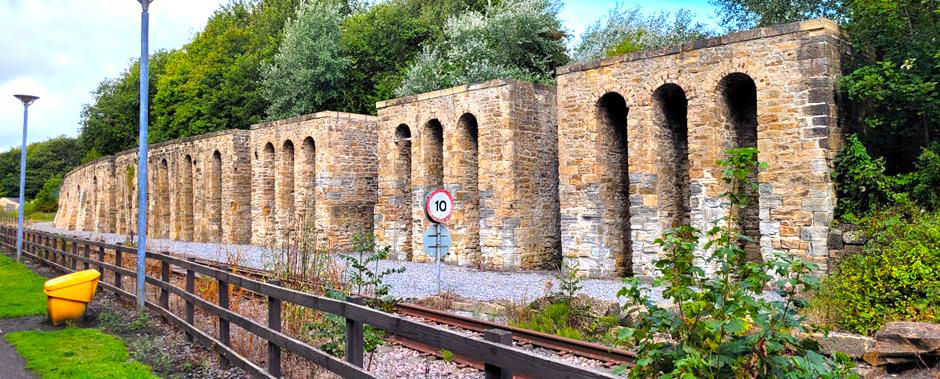
The refurbished loco coal drops at Shildon, the track is the 'Locomotion' demonstration line.
[© Crinan Dunbar 2025]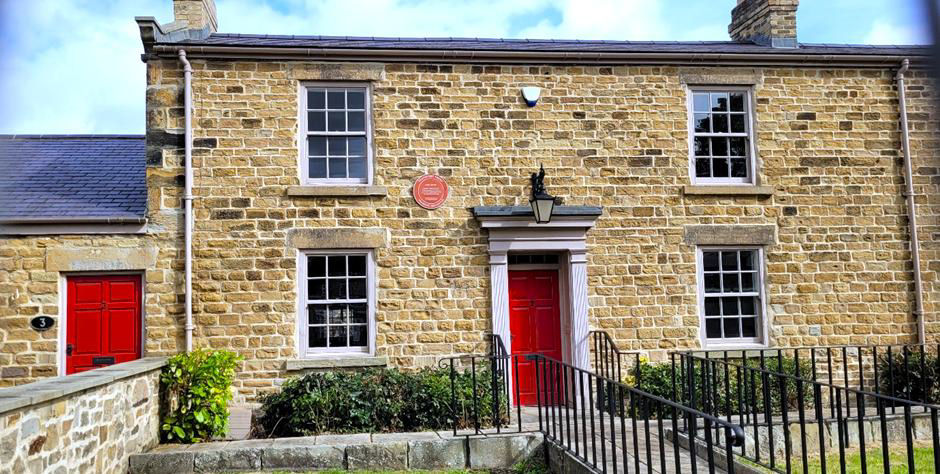
Soho House, Timothy Hackworth's house at Shildon.
[© Crinan Dunbar 2025]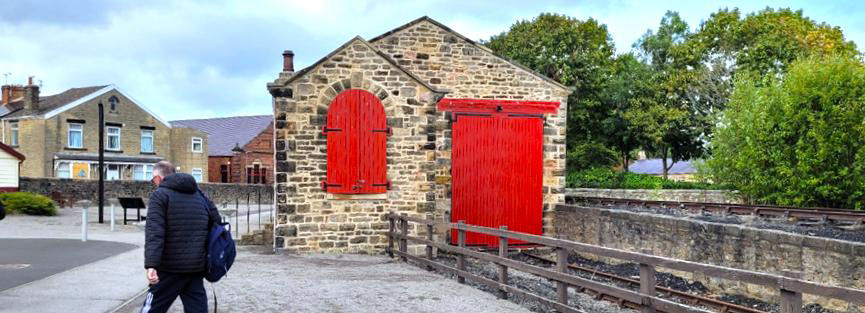
Shildon Goods Shed at the north end of the site, the far end of the 'Locomotion' demonstration run.
[© Crinan Dunbar 2025]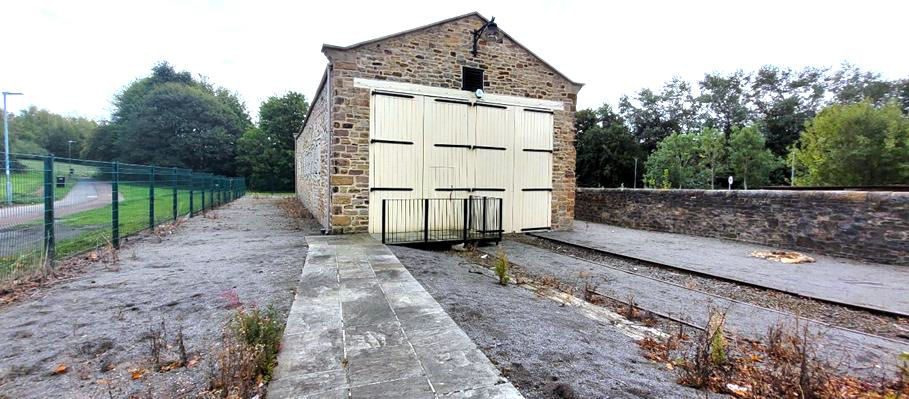
Kilburn's Warehouse (1826) at Shildon, latterly used as a paint shop.
[© Crinan Dunbar 2025]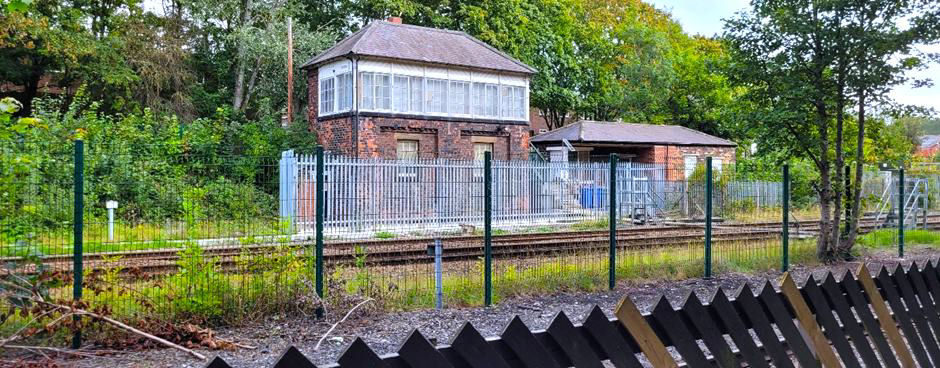
Shildon signal box (a late arrival - 1887) is still operational on the Bishop Auckland branch.
[© Crinan Dunbar 2025]We ventured further towards 'Locomotion', the Science Museum Group's second railway museum at Shildon. The remains of George Stephenson's S&DR cast iron Gaunless Bridge were passed, one of the earliest iron railway bridges. It used an interlocking design without the need for bolts or rivets - curved iron sections braced with straight trusses worked in combination to balance the forces of horse drawn wagons passing over the bridge. Opposite was a vaguely familiar statue of George's son, another notable railway civil engineer, Robert Stephenson. The statue, latterly on Euston piazza, was relocated to Locomotion by HS2, until a new site can be found for it. It is not as ornate as the memorial to George we saw the day before in Newcastle! Fun fact: George Stephenson devised a miner's safety lamp that was used widely in the North East and became known as the 'Geordie Lamp'. There is a popular theory that it is from this that the description of Geordie's coming from Newcastle was established by the mid-19th Century. So, as a person born in Newcastle, I owe the great man the name we identify ourselves with.
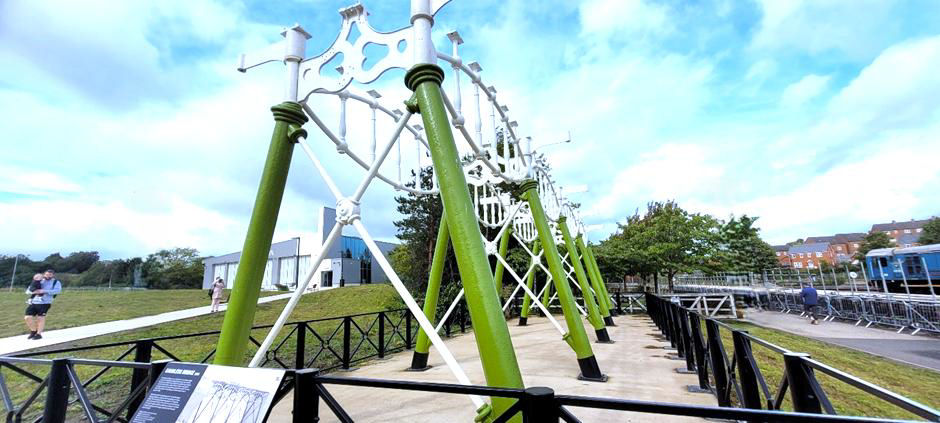
The remains of Gaunless Bridge at 'Locomotion' (New Hall is behind, left).
[© Crinan Dunbar 2025]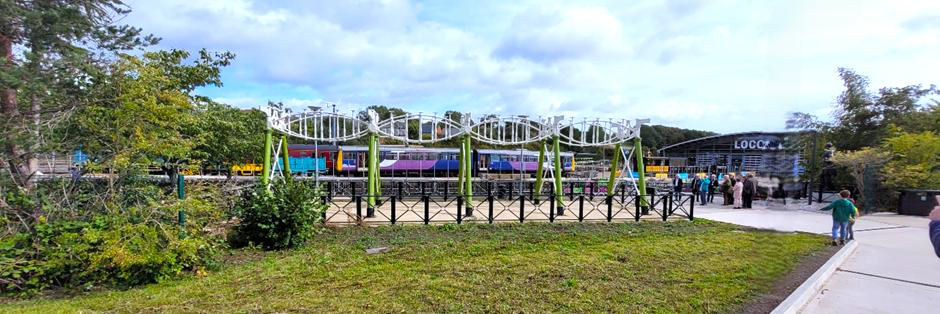
Another view of the remains of Gaunless Bridge at 'Locomotion'.
[© Crinan Dunbar 2025]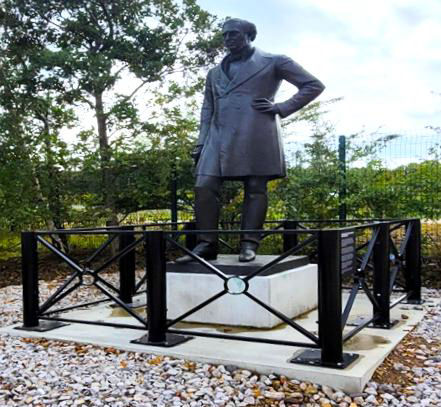
The Stephenson statue from Euston.
[© Crinan Dunbar 2025]The replica 'Rocket' was also out but not in steam as it is had been on 27 Sep 2025 for the S&DR 200th anniversary date. Later in 2026, 'Rocket' (and other locos) are expected to give trips on the internal line here again. We first went to New Hall (opened 24 May 2024) which houses vehicles that were built at Shildon Works. Any member who has not yet visited 'Locomotion' (including New Hall) really should!
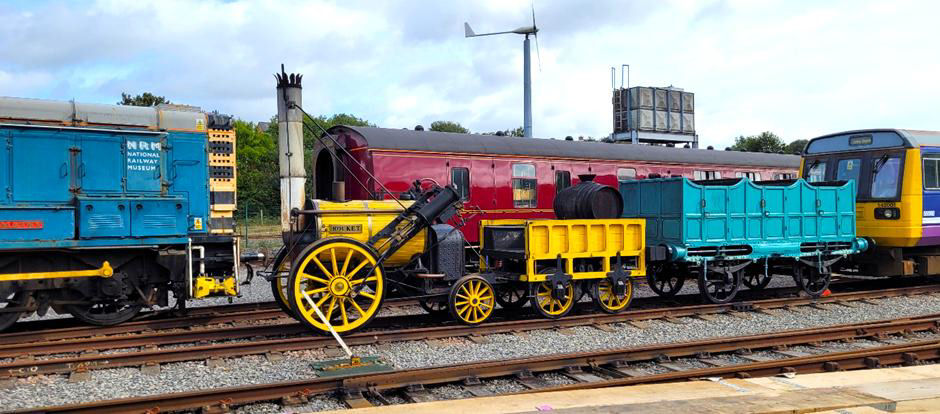
'Rocket' replica at 'Locomotion' Shildon (Normals have been known to confuse it with 'Locomotion').
[© Crinan Dunbar 2025]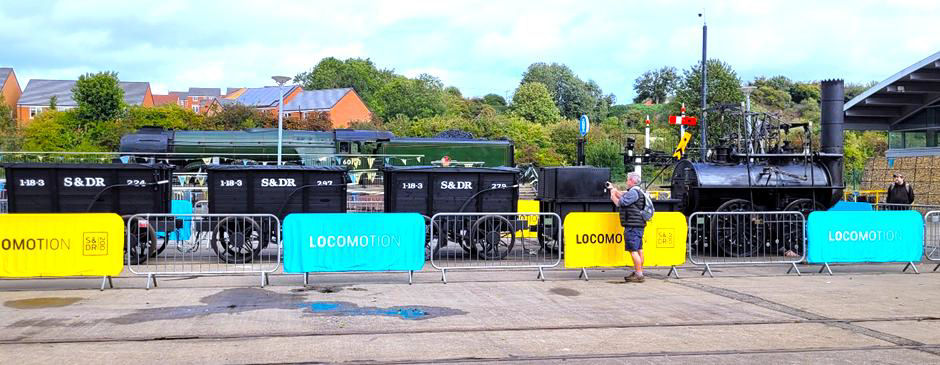
S&D Locomotion No1, the working (1975) replica; 60103 (LNER 4472) 'Flying Scotsman' is lurking behind.
[© Crinan Dunbar 2025]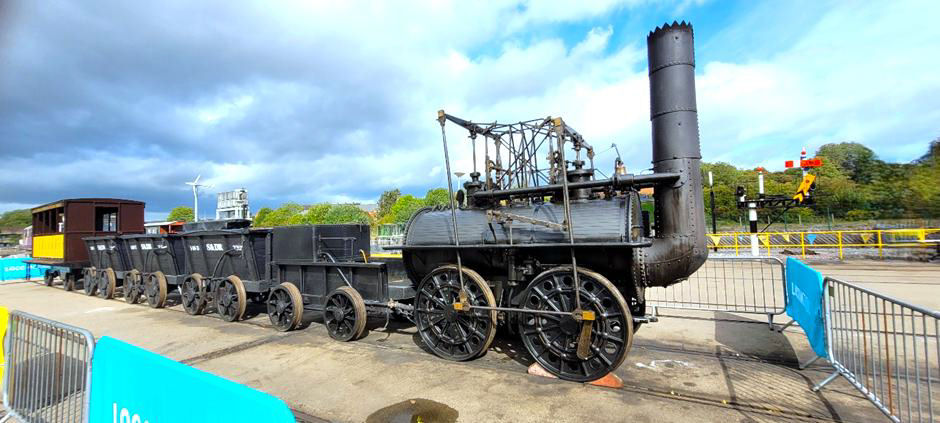
S&D Locomotion No1, the working (1975) replica with a replica S&DR passenger train
[© Crinan Dunbar 2025]Exhibits on site included the original S&DR Locomotion No1 (once plinthed at Darlington station), next to a High Speed Train (HST). Locomotion No1 replica, with a replica S&DR passenger train, were in front of 60103 (LNER 4472) 'Flying Scotsman'. The three phases of diesel power on the ECML are represented by pioneer D200 from 1958 (the first 2,000hp diesel), the prototype Deltic from the 100mph diesel era 1961-1981 and an HST power car 1978-2000s. Maybe a Class 91 will arrive in due course? [Not likely as the official preserved Class 91 is at the Museum of Scottish Railways, Bo'ness and unlikely to be moving.]
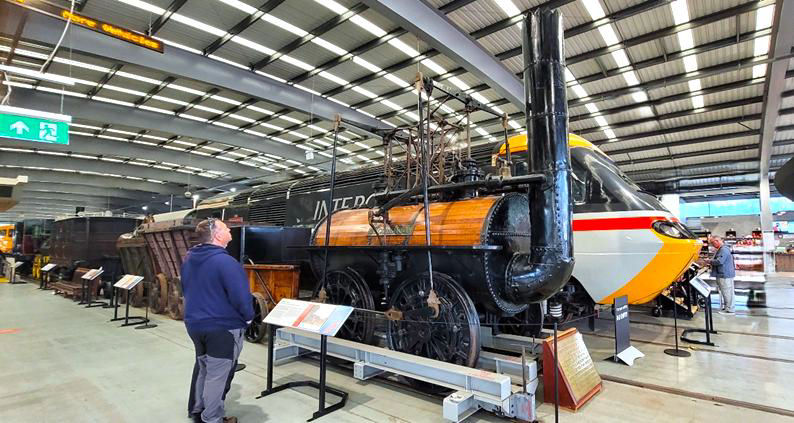
'Little and Large' - the original Stockton & Darlington Railway Locomotion No1 next to an HST.
[© Crinan Dunbar 2025]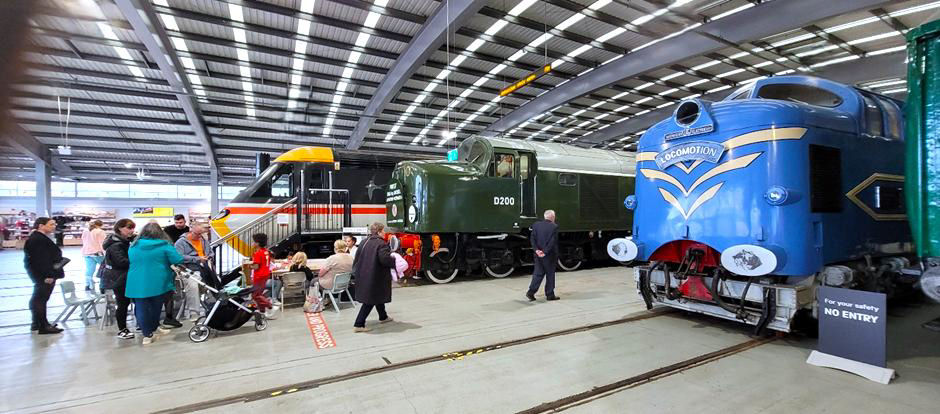
An HST power car, D200 (1958) the first 2,000hp diesel and right, the prototype Deltic.
[© Crinan Dunbar 2025]One of the North Eastern Railway's overhead electric locos that worked the Newcastle Quayside Branch (see BLN 1487.285, Victoria Tunnel) was here, as was LMS 5000 in LMS black lined red. This may numerically appear to be the original black Stanier 5MT 4-6-0 but LMS 5020 is reportedly the first that was released. (5000 also ceased to be the first numerically when No4800 was built in 1944 - the LMS ran out of available numbers after No5499 was built.) Older readers tell me that these lasted to the end of BR steam in 1968. There was even a Hornby Dublo display amongst numerous exhibits at 'Locomotion'.
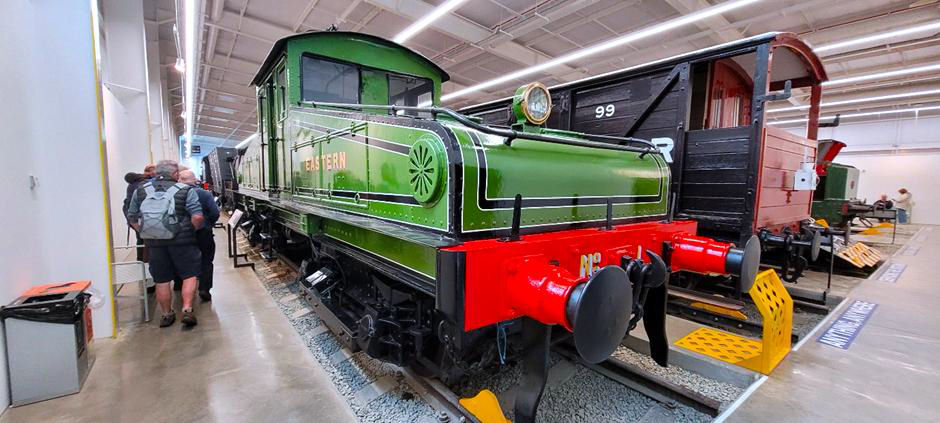
A North Eastern Railway overhead electric locomotive for the Newcastle Quayside Branch.
[© Crinan Dunbar 2025]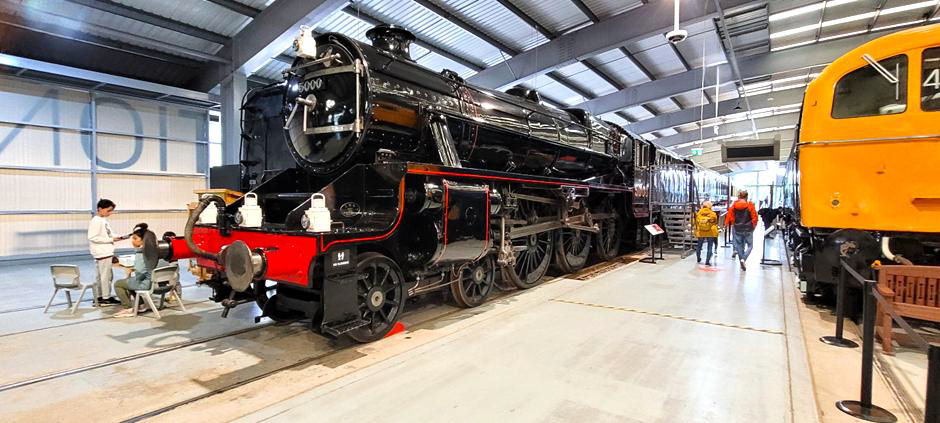
LMS 5000, the original black Stainer 5MT 4-6-0 in LMS black lined red, these lasted until 1968.
[© Crinan Dunbar 2025]We then had lunch and jogged back to Shildon to catch a train to North Road in Darlington. Here, Adam took us to the S&DR Skerne Bridge, the oldest surviving passenger railway bridge in continuous use in the world. It features on the reverse of the old Series of £5 notes, along with George Stephenson. There is a 'mini' bridge either side of the River Skerne for pedestrian walkways, just like Trafalgar Street Bridge in Newcastle the day before. Sometime before 1897, a plate bridge was added to the northeast (Down) side to widen the formation from two to five tracks; it was removed in 1967 just leaving the abutments.
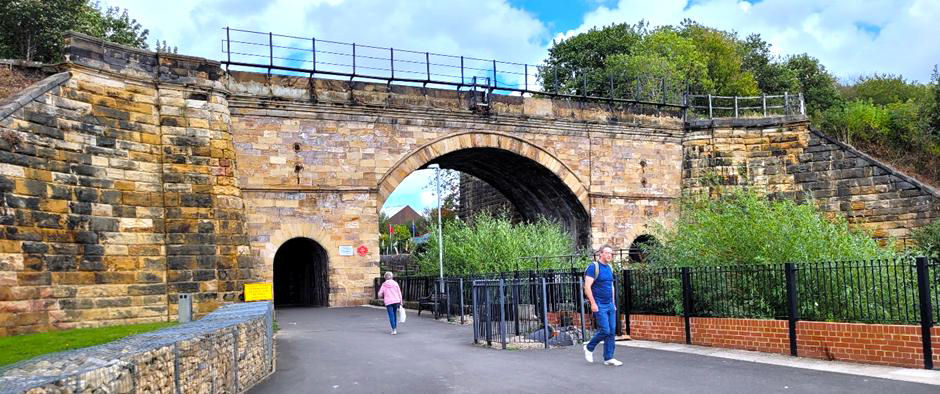
The well known west side of the River Skerne Bridge - Darlington is off right
[© Crinan Dunbar 2025]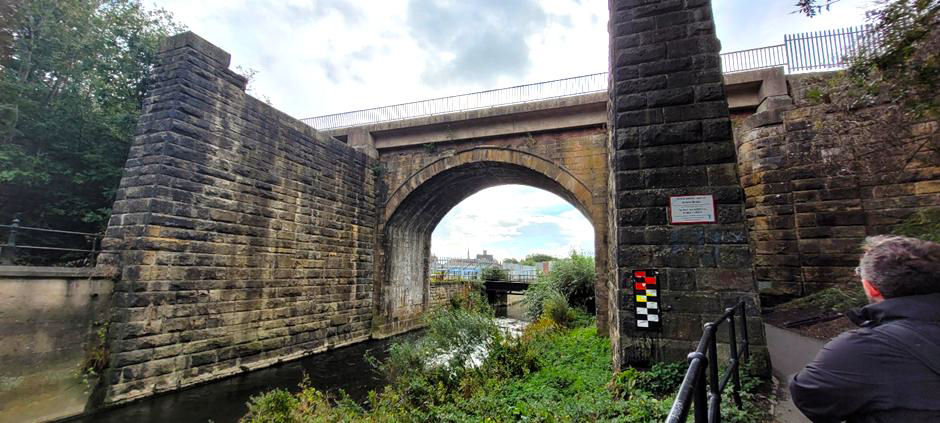
The less well known east side, once widened for three additional tracks.
[© Crinan Dunbar 2025]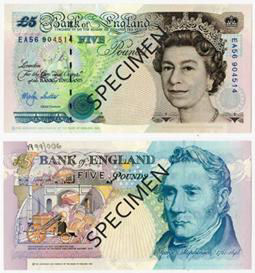
'Rocket' on an old edition £5 note.
[© Crinan Dunbar 2025]Next, our group visited Hopetown Darlington Museum which also deserves a visit, particularly since its £37M upgrade. The former entrance to North Road station (no longer used as such) is very spacious, with a flat entrance roof on iron columns and coupled octagonal stone chimney stacks. North Road is now an interactive museum; actors' voices tell visitors about the exhibits and working conditions at the time. D6898 (37198) is on site, the last locomotive built at Robert Stephenson & Hawthorns Ltd in 1964. 84029 (later scrapped) was the last steam loco built at the British Railways Darlington Works in 1957.
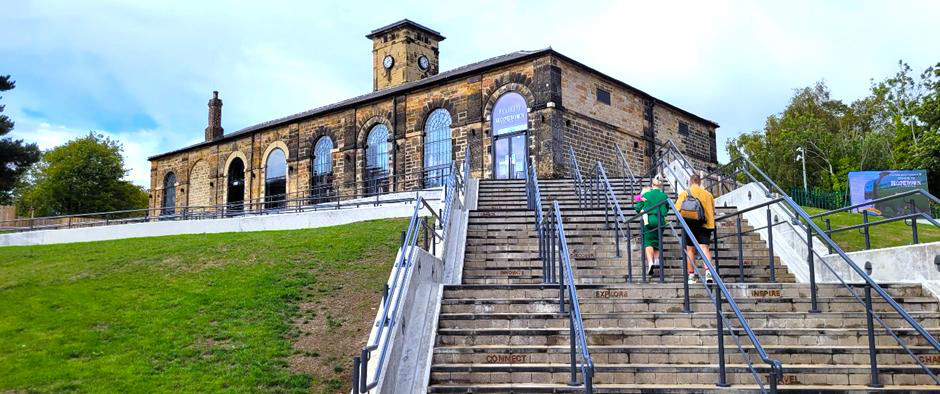
Hopetown Museum, at North Road station, Darlington.
[© Crinan Dunbar 2025]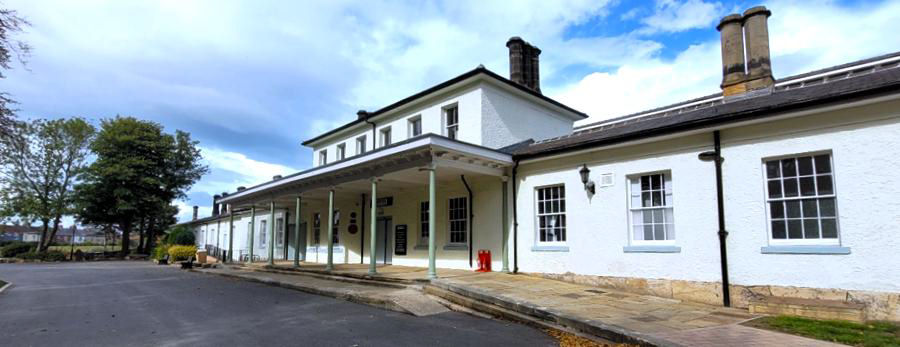
North Road station, now part of Hopetown Museum.
[© Crinan Dunbar 2025]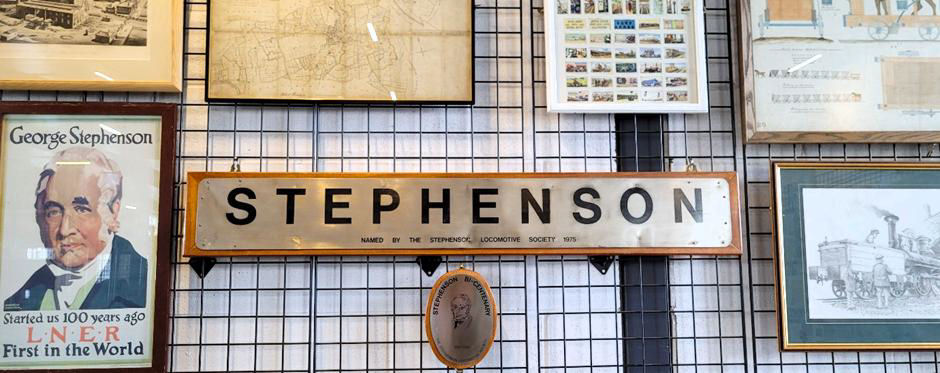
A few exhibits at Hopetown Museum.
[© Crinan Dunbar 2025]We then visited the A1 Locomotive Trust building to see their next new-build loco LNER 2007, 'Prince of Wales' (a 2-8-2 P2) which, in 2028, will be one of the most powerful steam locos in Britain. Next a good look at the working part of North Road station, with its trainshed and the recently installed 'STOCKTON & DARLINGTON RAILWAY ROUTE 1825' sign. A big shout out to Adam Turner for making sure everyone was where they needed to be on time over the two days, providing a continuous interesting commentary and making sure us oldies drank from our water bottles when we felt like ceasing walking!
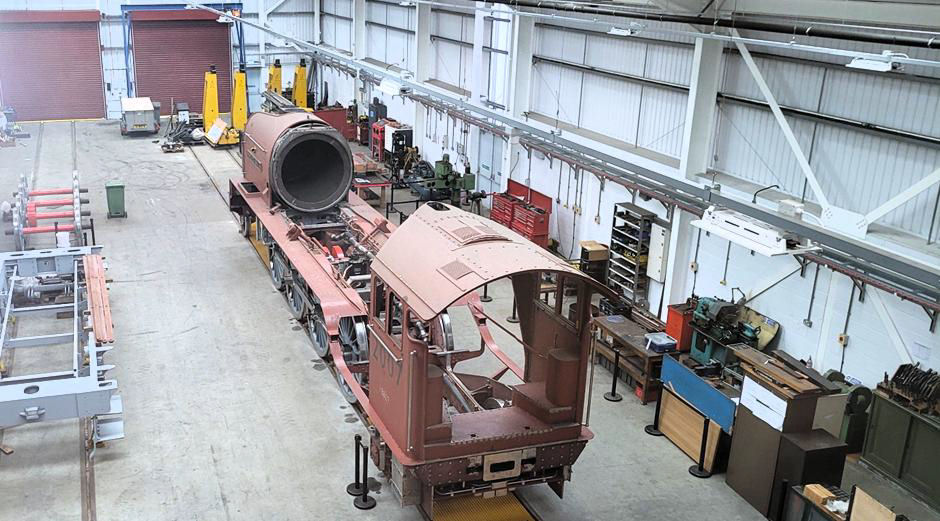
The A1 Locomotive Trust building; their next new-build locomotive LNER P2 2-8-2 'Prince of Wales'.
[© Crinan Dunbar 2025]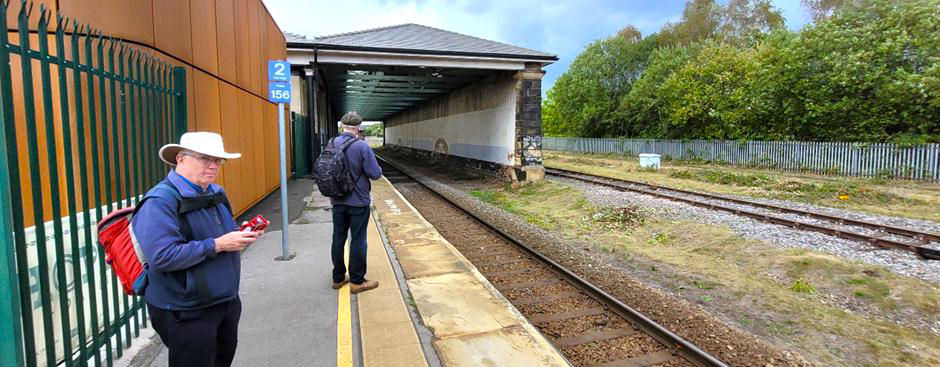
North Road station with adjacent bidirectional goods loop,
[© Crinan Dunbar 2025]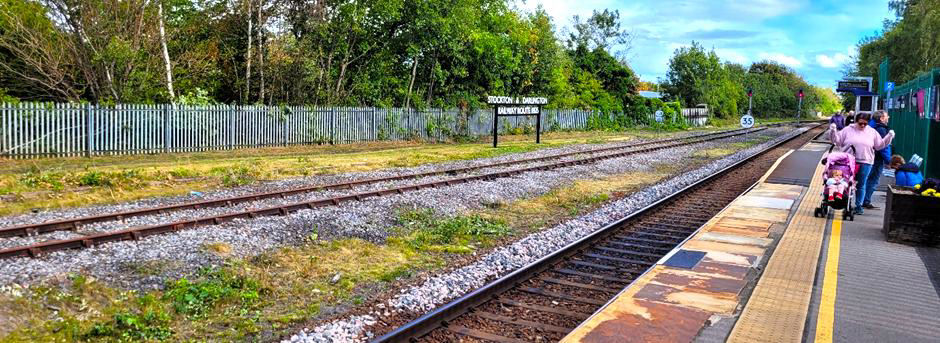
North Road station with adjacent bidirectional goods loop looking towards Darlington.
[© Crinan Dunbar 2025]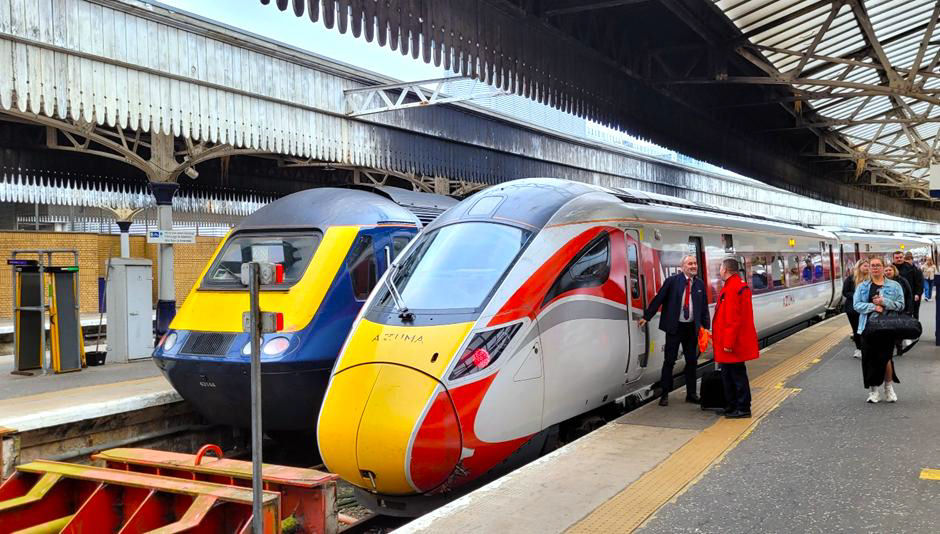
Aberdeen; our reporter's train from Darlington (via Carlisle), with another leg to go.
[© Crinan Dunbar 2025]