Finally underway again in path, we then swung east at Jaworzyna Śląska and travelled to Wrocław Zachodni (zachodni = western), where we took part of freight Line 751 to Wrocław Gądów Yard and continued on to Wrocław Nadodrze, where our tour reversed and swung left back along Line 143 and again along 271 to Wrocław Główny, only seven down at 19.37. Many dispersed to their mostly very close hotels; others went to the pizza place just outside first and for a beer or two before catching up on the early start ready for tomorrow's later start at 06.56! But who wants to be burning good daylight‽
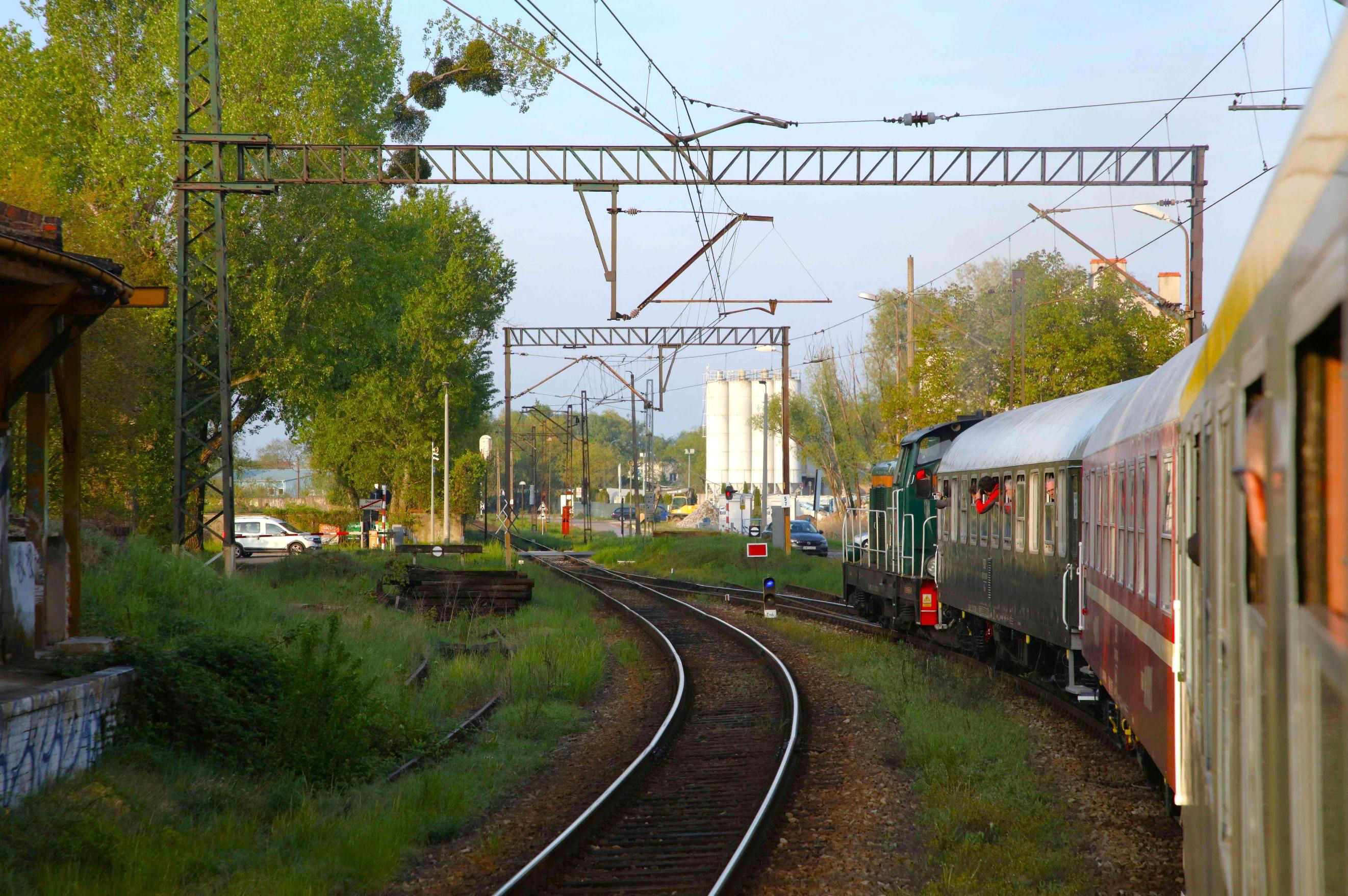
Wrocław Zachodni (zachodni = western) - Line 751 to Wrocław Gądów Yard in the early evening sunlight. Heads etc are allowed out of windows!
[© Iain Scotchman 2025]Leaving the hotel at 06.00, I met my report Editor in Chief (Peter Green) in McD's at Wrocław Główny (główny = main) station building. We partook of the obligatory bacon and egg wrap before emerging to check the departures board. Nothing. OK, we always leave from Peron (Platform) 6 outside the main shed, so off we go, finding several others thinking the same way. Except there are a few splitters on Peron 5 which, we agree, is a good outside bet. Ah there is our train … unmistakable arriving from the east … but its heading for the main shed … ah no, we have seen that previously … it'll propel and come over … won't it? For once a tour left from Peron 3 (Tor 5 = Track 5). So, like a small lost tribe, we all walked through the subway and up to P3 finding our self-allocated seats from Day 1, taking the obligatory photos and settling in for the first acts of the day … before picking up here again at 08.54.
We departed on time at 06.56 heading for Wrocław Kuźniki, where we were booked to reverse and take diveunder Route 349 towards Wrocław Gądów. Now our spiritual leader (Reverend Ian Scotchman) had prevailed on our train manager, Patrik, in planning to literally go the extra mile … well a few miles. This was to reverse further out and ensure we were (literally) on the right side of the layout to naturally do the diveunder. This was eschewed as unnecessary as we would simply take the facing crossover right before Wrocław Kuźniki to be right side … except we didn't. So having run round, we took the direct curve, although some were cheerful having missed this previously. However, it was still via a new connection onto the southern freight ring to reverse at that hallowed reversal point of Siechnice.
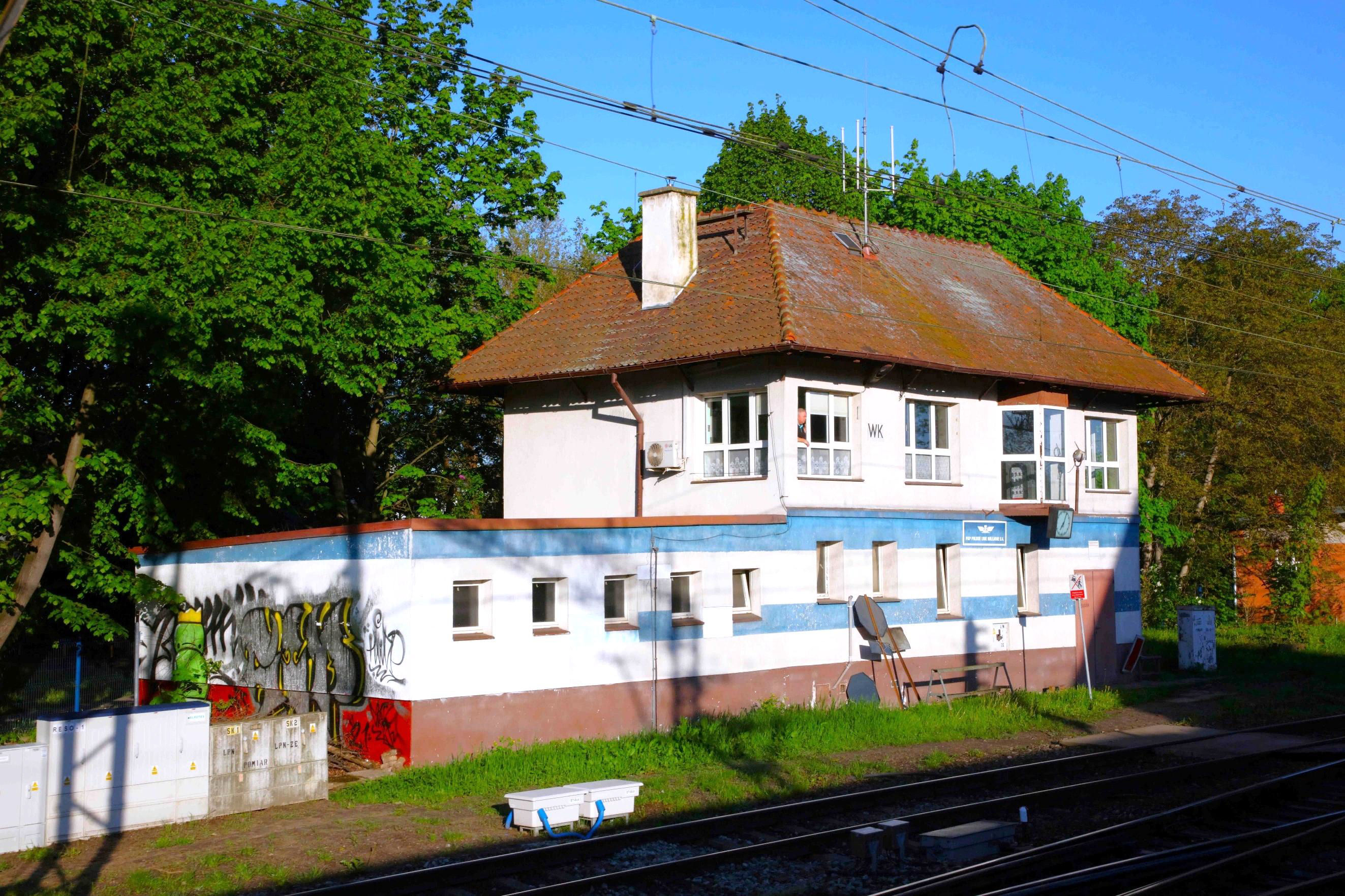
Wrocław Kuzniki signal cabin; the 'unhelpful' signalman is looking out of the window.
[© Iain Scotchman 2025]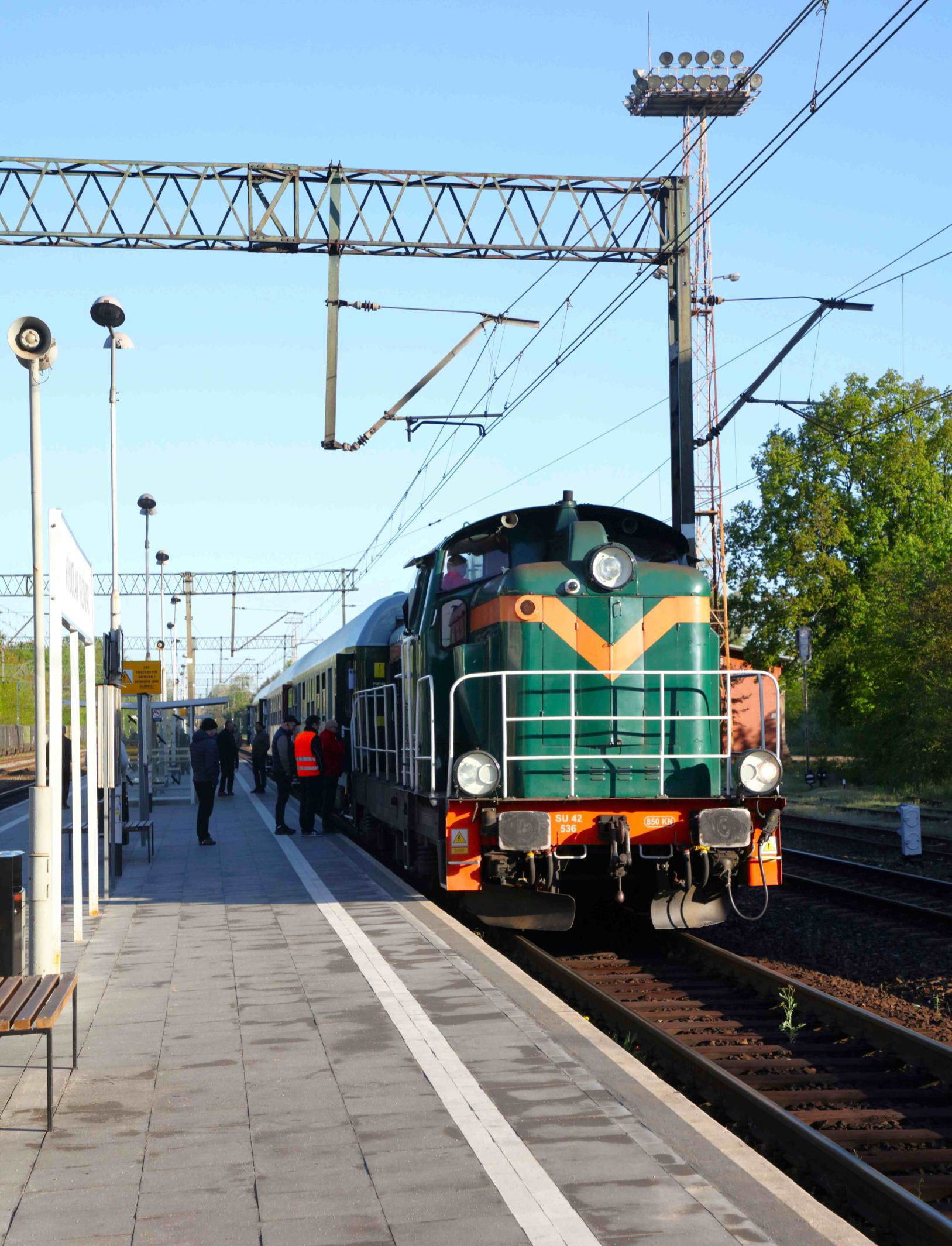
Wrocław Kuzniki, the tour is in the platform rather than the loop (left), so unable to access the booked, required, connection to Wrocław Gądów Yard. This also happened on our first tour (same signalman?).
[© Iain Scotchman 2025]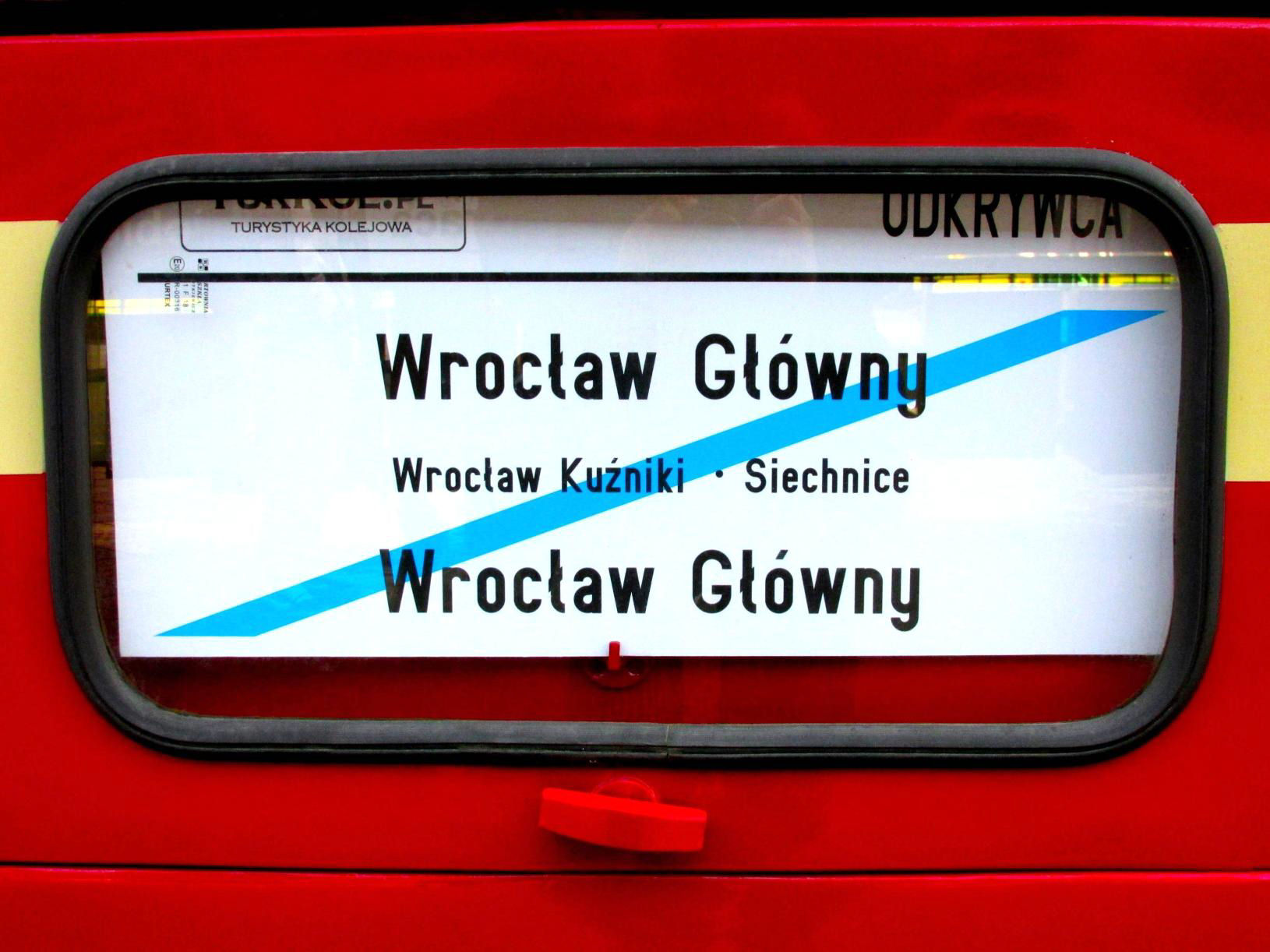
The window decal for Day 2 of our tour - very understated.
[© Simon Mortimer 2025]
Not a rowdy Bar just Wagony Restauracyjne (Restaurant Car).
[© Simon Mortimer 2025]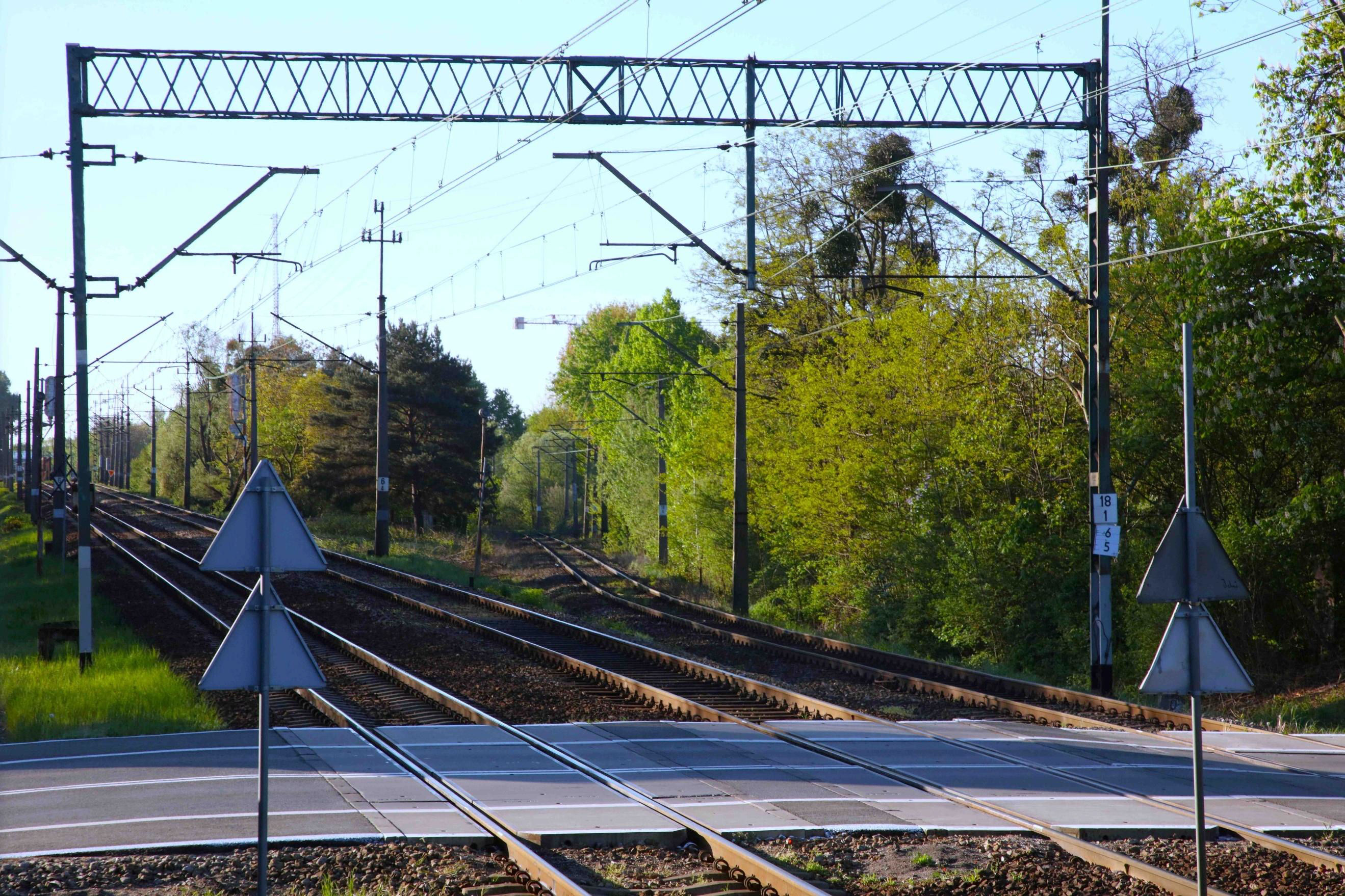
The (still) required connection to Wrocław Gądów Yard goes off to the right. Third time lucky…
[© Iain Scotchman 2025]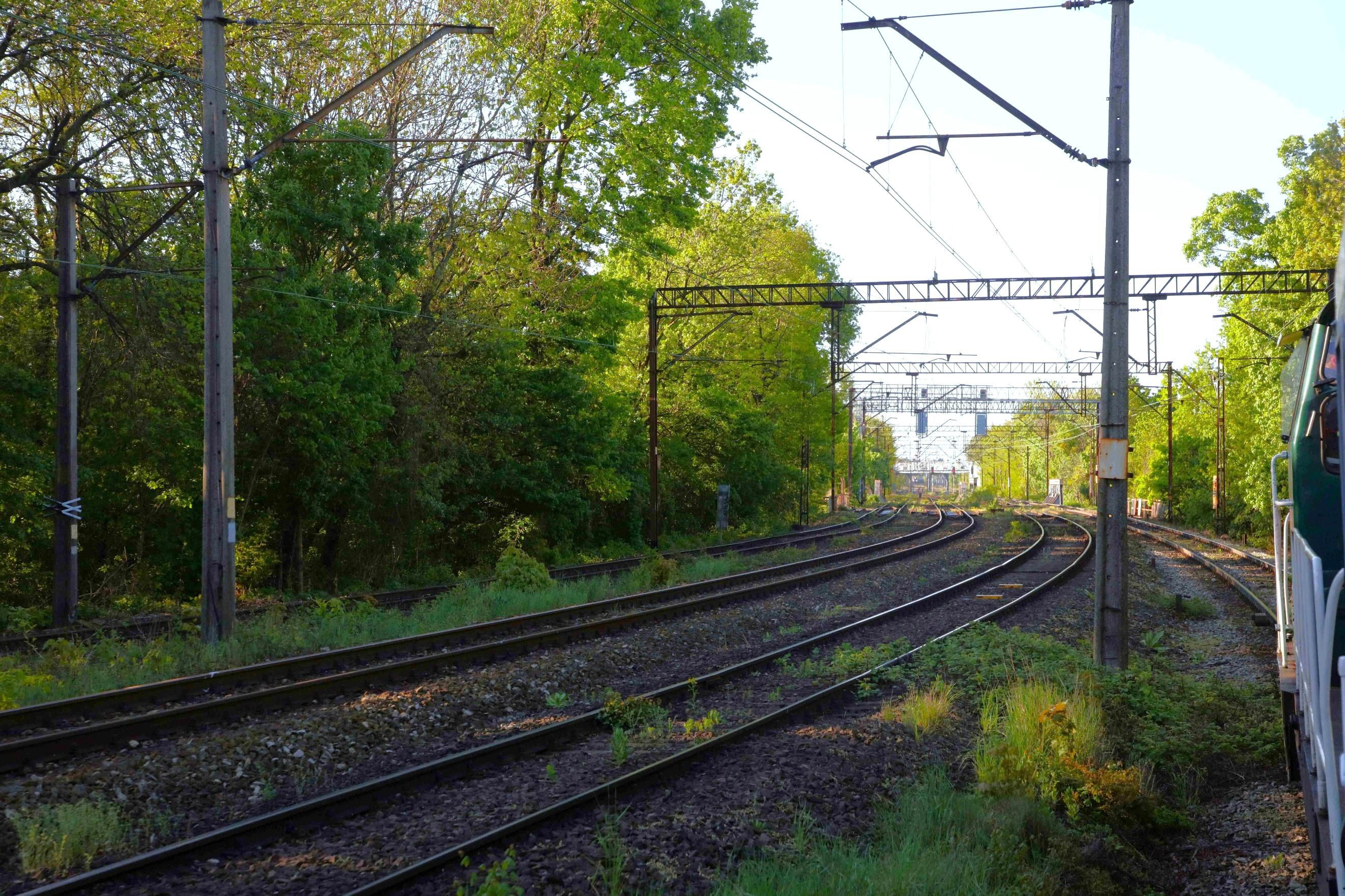
Our tour joining Wrocław 'Southern Freight Ring' at Stadion from that required connection - so it was 50% successful!
[© Iain Scotchman 2025]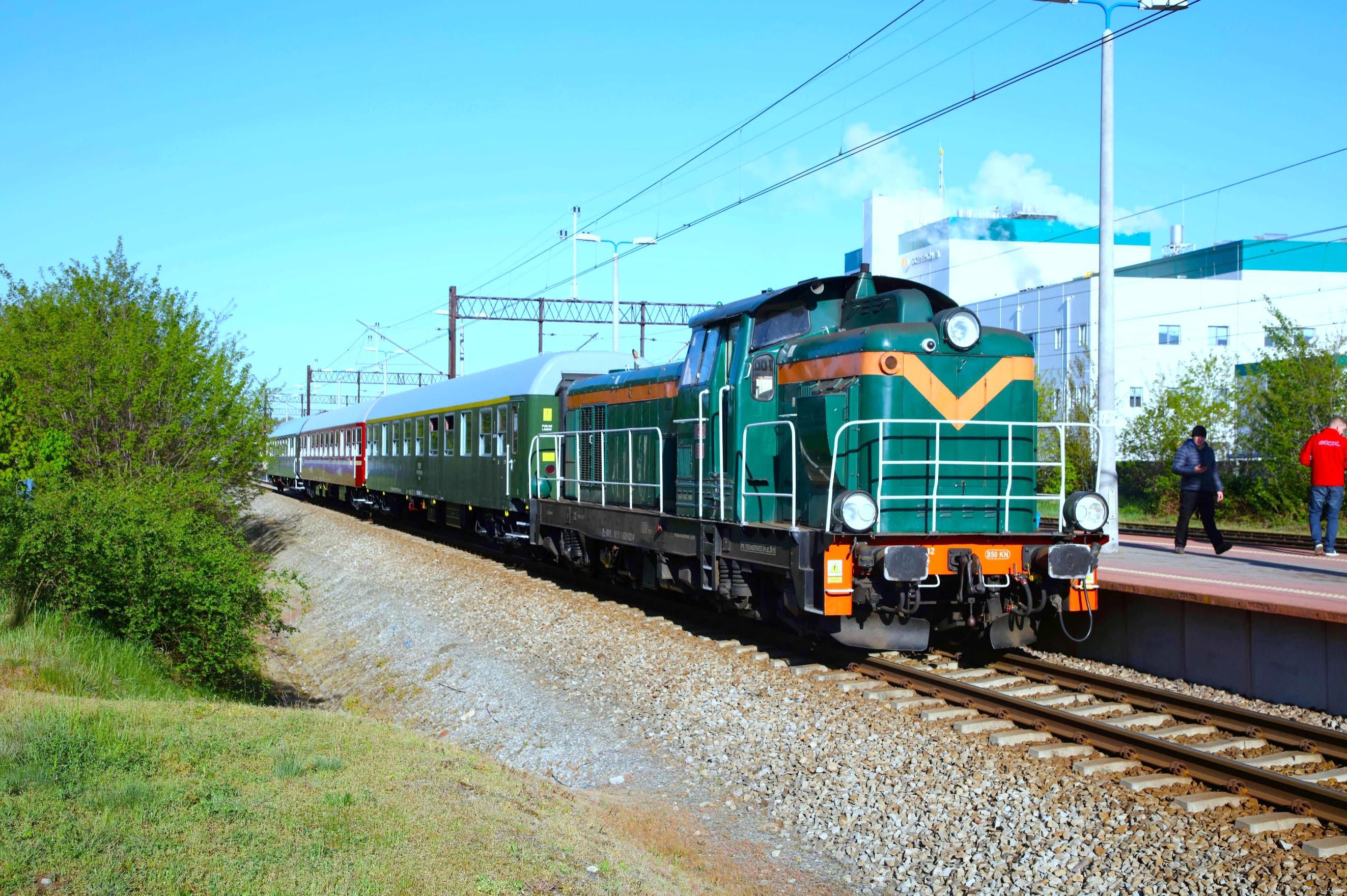
Running round at Siechnice (nominated by participants for a Blue Plaque) but there was no time for a personal needs break (!)
[© Iain Scotchman 2025]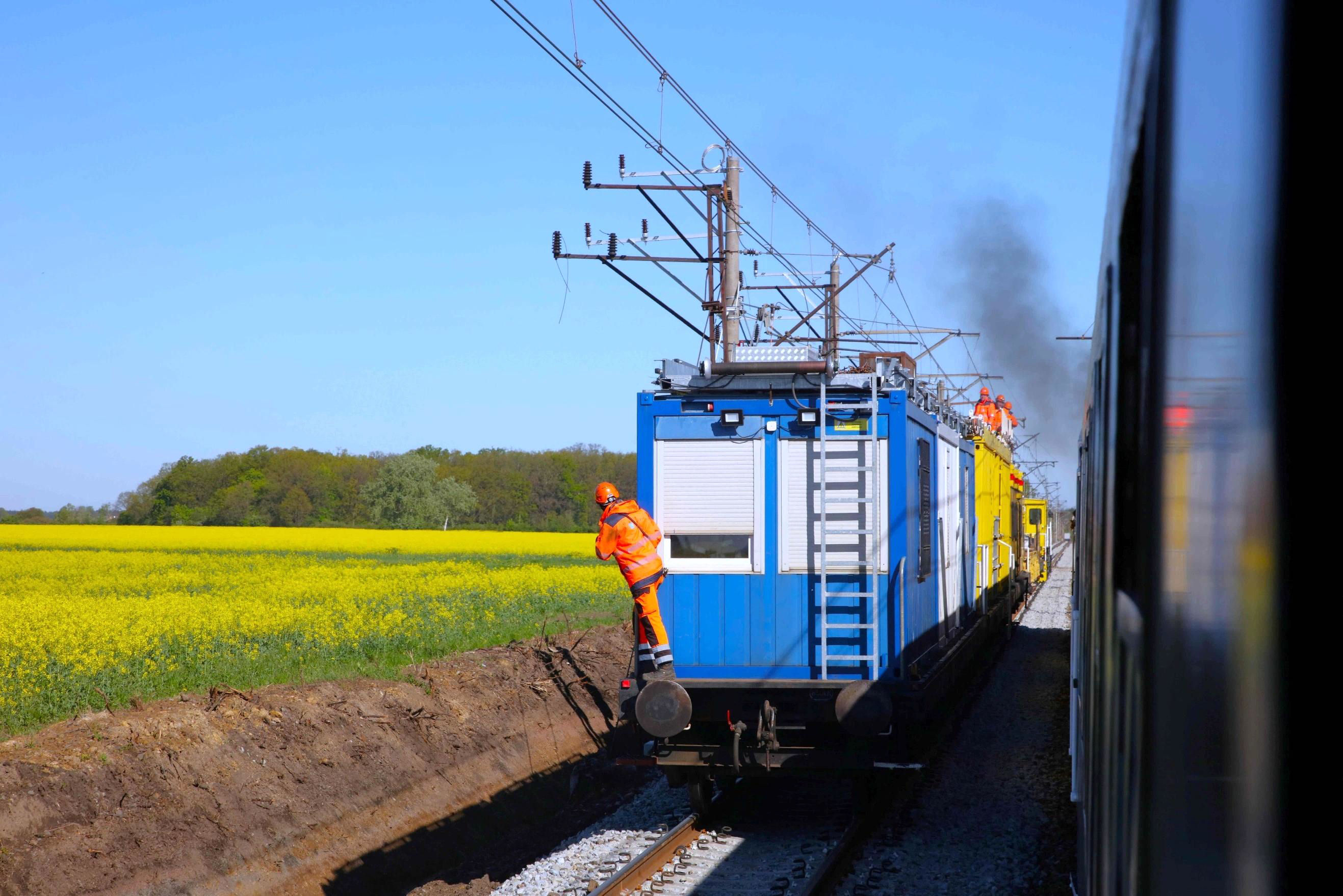
The tour passes an OHLE works train alongside an operational track. In the UK it would be rail replacement buses over the full length of the line.
[© Iain Scotchman 2025]This gave an opportunity for our BLS railtour participants to gather and observe the Blue Plaque recently installed by the local authorities. The reverent group assembled around the simple memorial and read its inscription: 'Near this spot, in 2022, the Branch Line Society lost two members, missing in action, during a brief engagement in a Portable Toilet, gone but never forgotten.' Actually, the latter sentiment is completely true (BLN 1408.2202 of 10 Sep 2022 refers) … the rest possibly made up but everyone gathered did remember quite spontaneously and thought a blue plaque would be a splendid idea.
So, it was back to Wrocław Główny and, two hours after leaving the first time, we left for good and headed up the main line towards Zielona Góra. Noted en route to Głogów was the apparently now permanent single line section over the Odra (Oder) river, where the northbound span was clearly out of use, long dilapidated and rusting. We were looped in Głogów centre road to allow trains to pass both ways, due to quite typical weekday daylight single line working, and observed an interesting display of ladder etiquette by three S&T technicians just opposite the platforms
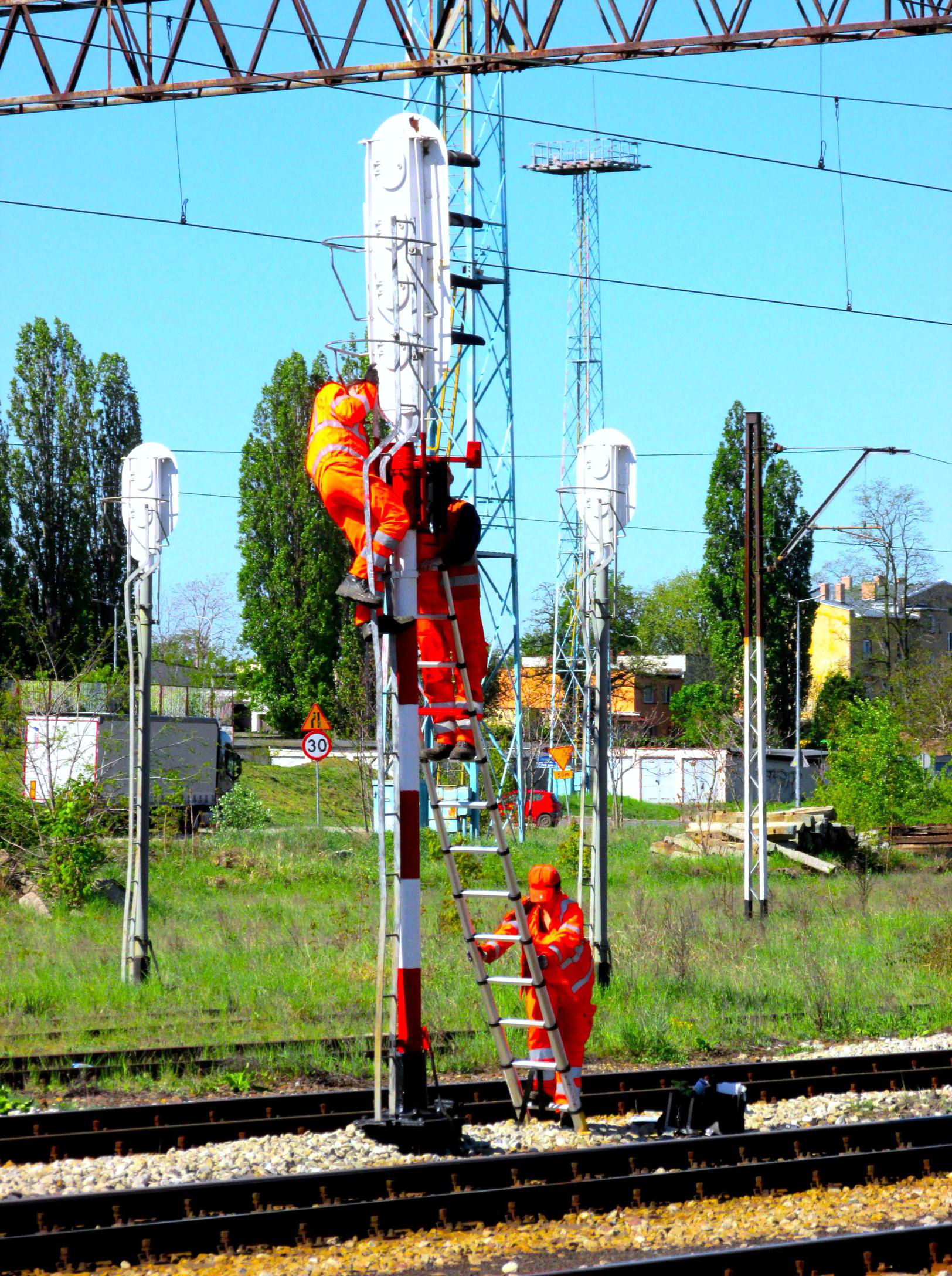
A demonstration of S&T ladder etiquette at Wrocław Główny first thing in the morning.
[© Simon Mortimer 2025]During the booked half hour stand at Zielona Góra there appeared to be no interesting food source … indeed, not even an uninteresting one. We retired to the train buffet for zweite fruhstuck, (= second breakfast), the eggs and frankfurter combo with bread and yes, cucumber. On arrival at Rzepin, there was 10 minutes allowed to obtain a topping locomotive but this was trapped by a late running Berlin to Warszawa (Warsaw) InterCity, nothing new there. So, 14 minutes adrift we headed towards Toporów led by SM42 1225, a PKP (Polskie Koleje Państwowe = Polish State Railways) Cargo machine. This would be, over the four days, the only other loco we would have, so it pleased the haulage fraternity.
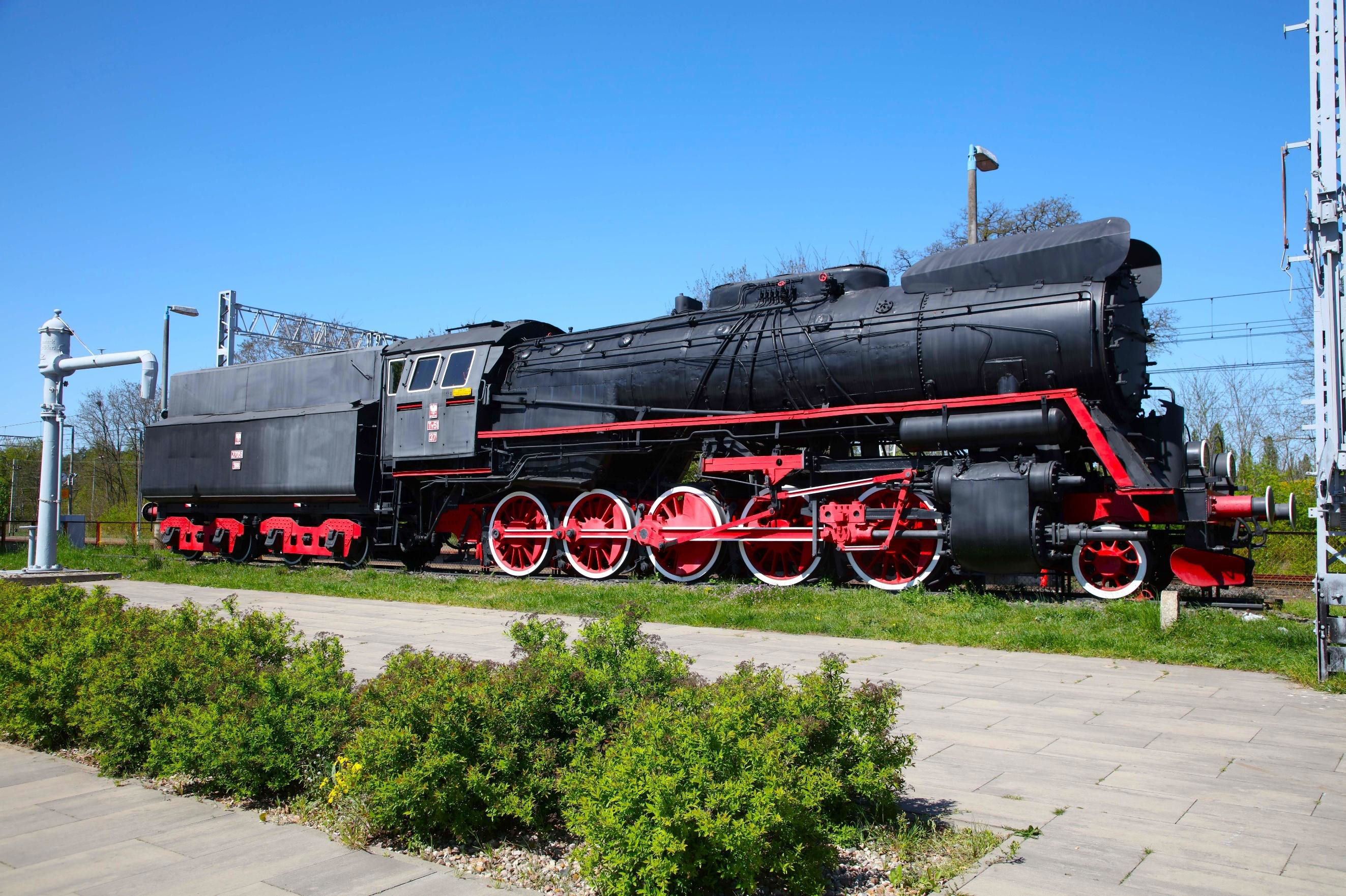
A Plinthed 'kettle' at Rzepin - Ty51 2-10-0 No37
[© Iain Scotchman 2025]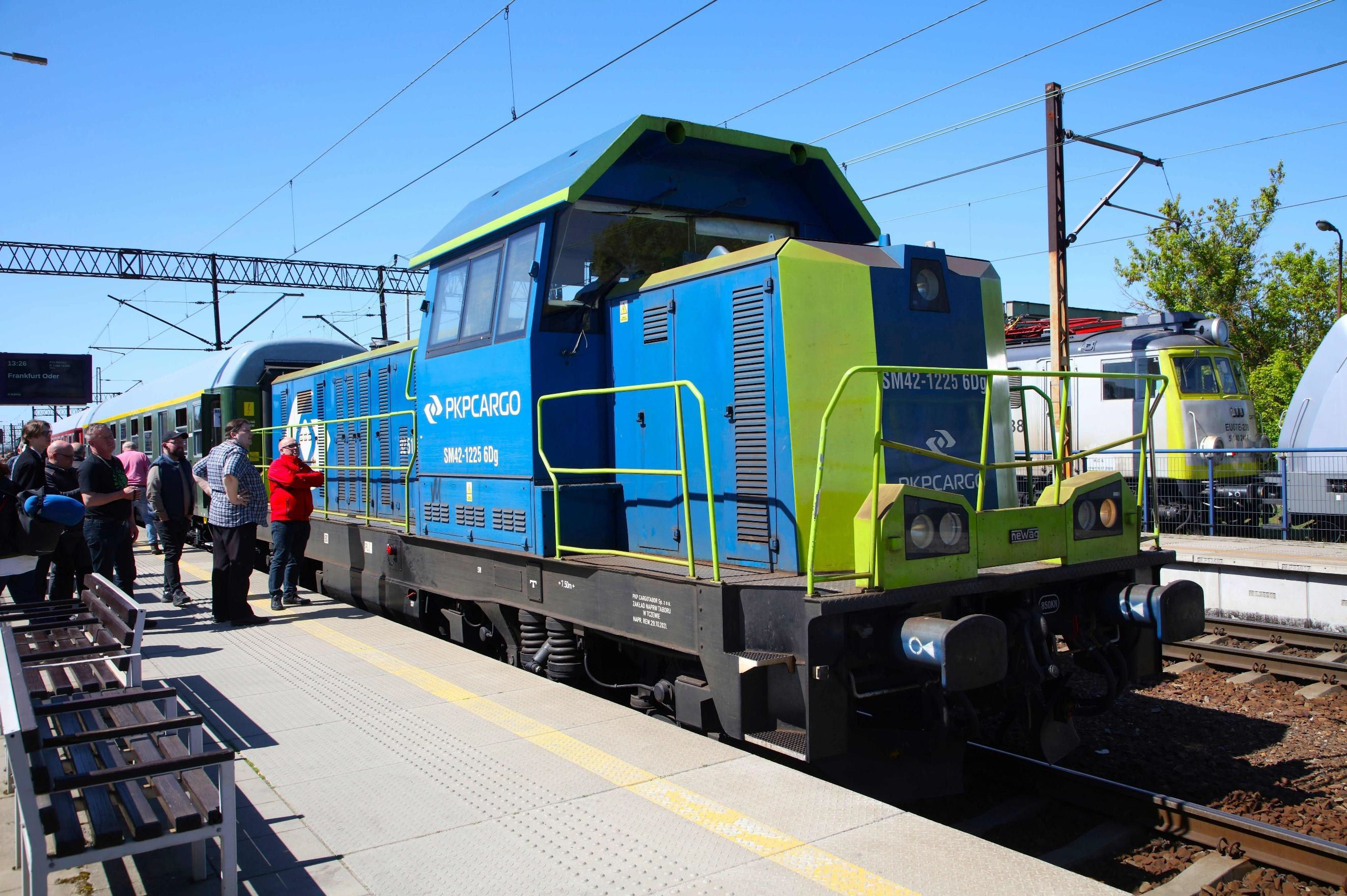
PKP Cargo rebuilt SM42 hired locomotive at Toporów so our tour could run 'Top & Tail'. This loco normally works freight trains.
[© Iain Scotchman 2025]SM42 1225 6Dg is a rebuilt much more angular bodied version of its antecedent of which only the frame and bogies are original; the cab, prime mover (Caterpillar) and controls are all new. The run to Sieniawa Lubuska which of course once ran through to Nietoperek and Międzyrzecz (hold those names in mind.), can be viewed entirely from the cab at:
https://www.youtube.com/watch?v=dVQ_KN1x0TQ
Initially we careened* along the main line towards Poznań, a beautifully aligned and well fettled double track over which international trains pass effortlessly through the seemingly endless forests before reaching Toporów. Here our tour veered onto the back platform to gain the branch by a diveunder no less, which looked quite new, or at least renewed, then headed northeast. This initial section does have a nominal summer weekends service for 10km as far as Łagów for the ornate town and associated Lake Ciecz but the 5km beyond to Sieniawa Lubuska is a little more difficult to justify as the only thing of note is a clearly long defunct lignite loading pad and its associated concrete memorials to a bygone age.
[*Careened means moved swiftly and in an uncontrolled manner - hopefully not the tour in fact.]
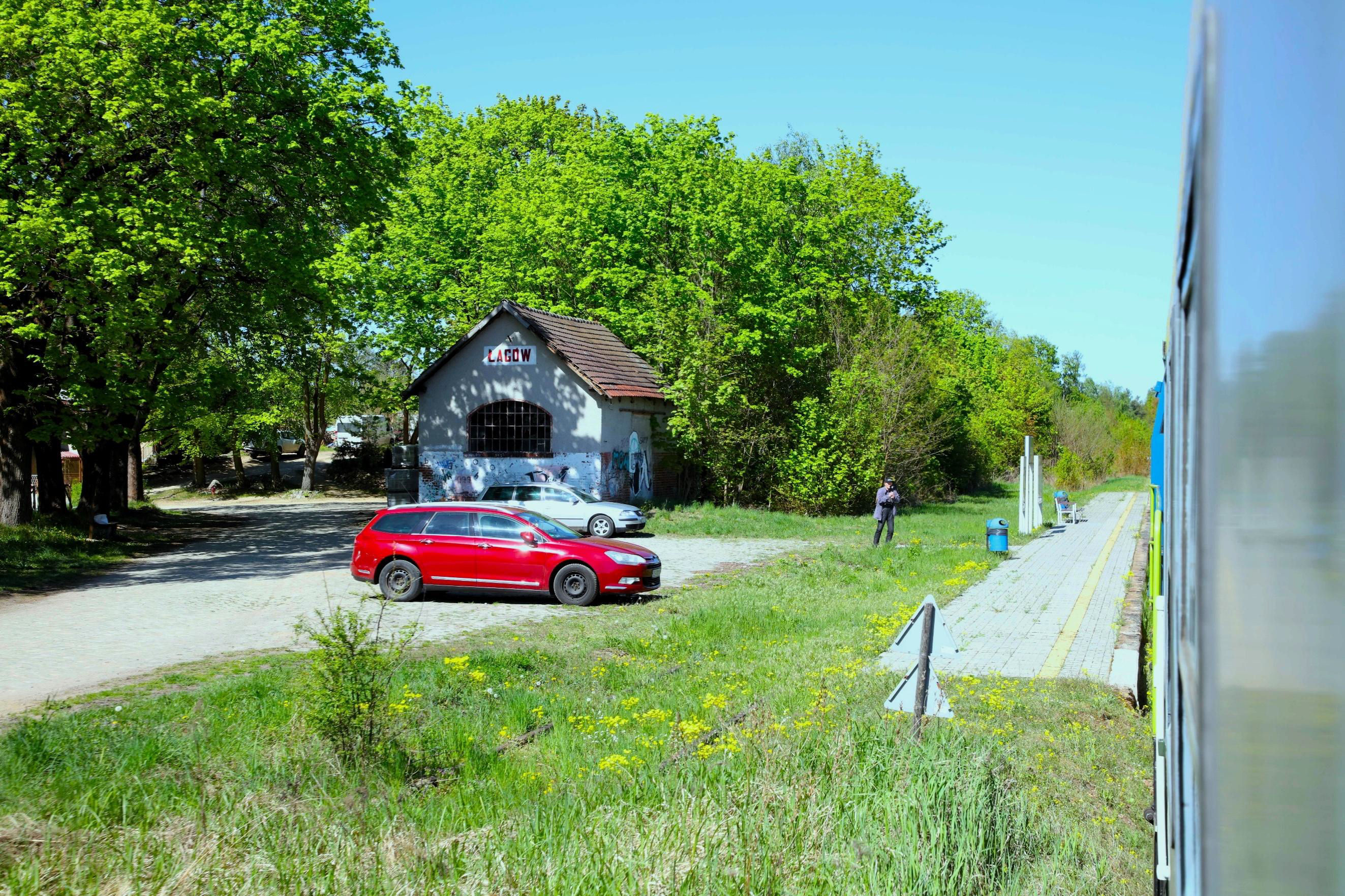
Passing Łagów, the platform used by the limited summer weekend passenger services.
[© Iain Scotchman 2025]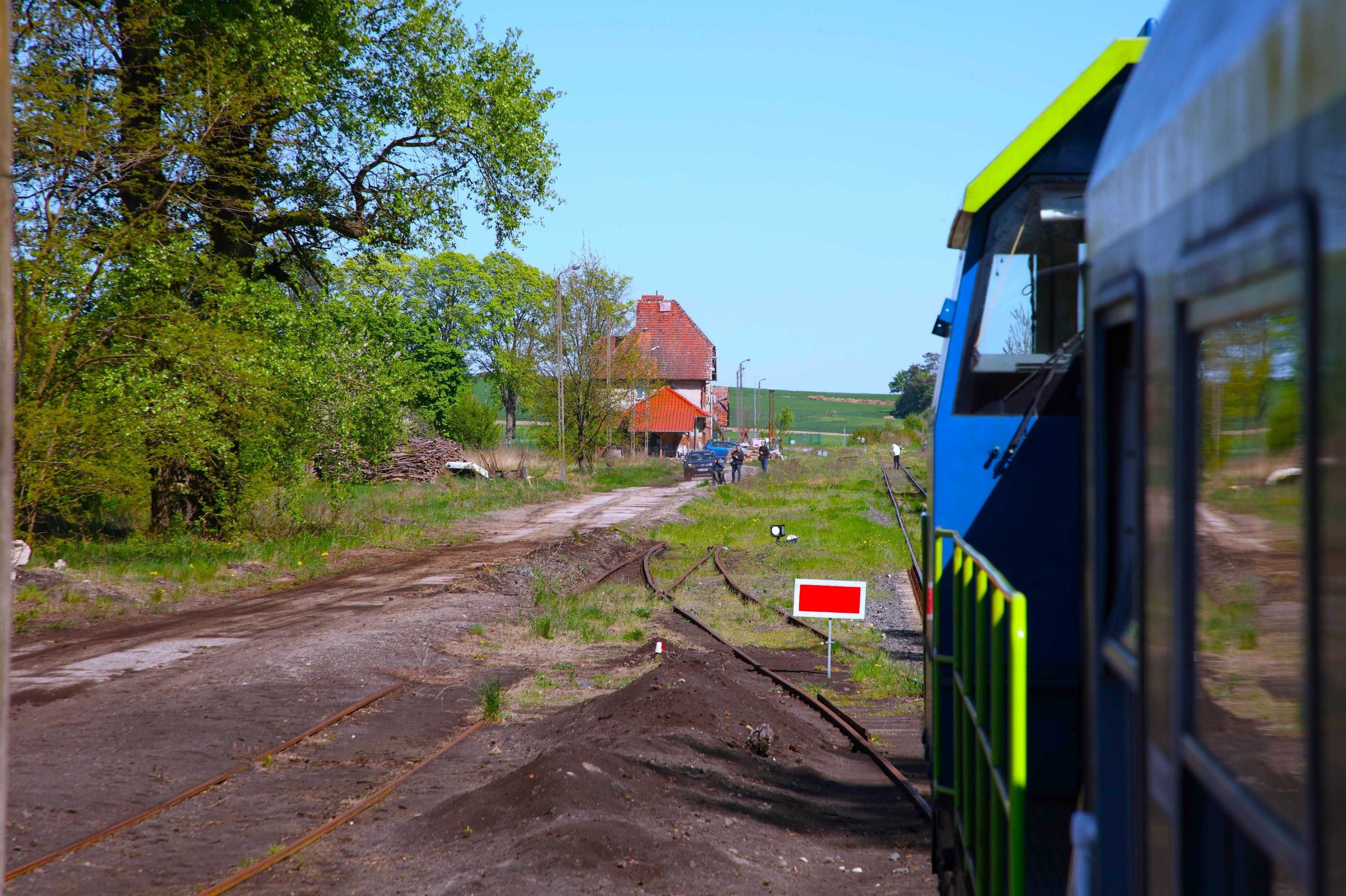
Approaching Sieniawa Lubuska where lignite used to be loaded (left) the former station is ahead and then the end of line.
[© Iain Scotchman 2025]Sieniawa has a small lignite mine, one of the few in Poland to originally mine its deposits underground and one of the longest operating in Poland (since 1873, so actually before Poland was reestablished as a country after a gap of over 400 years.). Production peaked at 209,100 tons in 1983 but that state owned pit closed in 1997. In Oct 2022, a commercial mining company restarted opencast mining, 40m deep over 30 acres. Presumably the lignite, burnt for electricity generation, is now moved by road. Lignite is poor quality soft brown coal; burning it is even worse for Climate Change than coal.
The tour train stopped next to the old station building but, unusually, participants were not allowed to alight. The owner seemed to consider us from his garden with a slightly sullen posture but 'top & tailed' we didn't linger long and were soon heading back towards Toporów. We further noted the empty coal stocking grounds and Łagów station with nameboard and a clearly very small timetable of trains there.
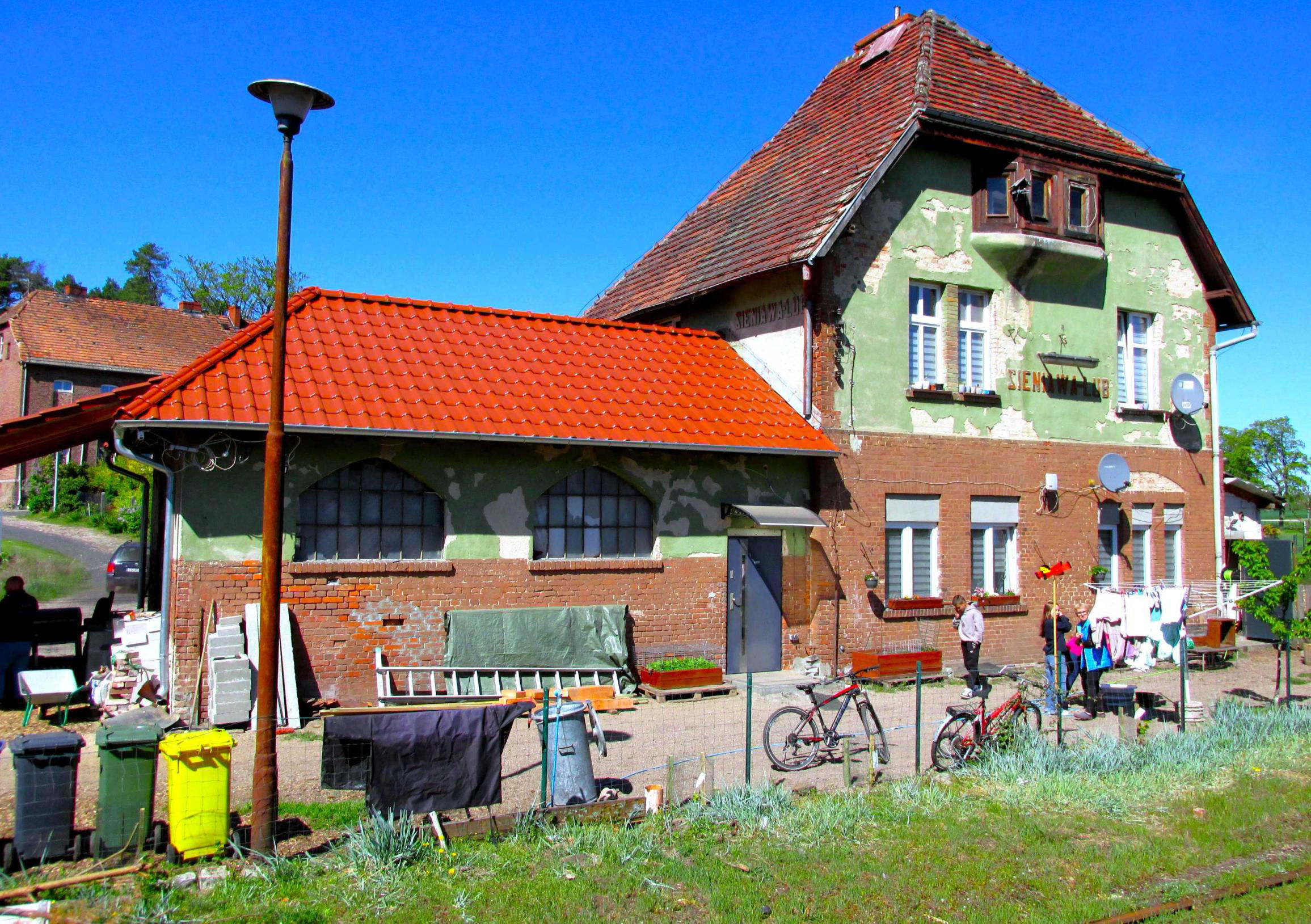
Sieniawa Lubuska from the tour, now a private dwelling, with a rotary washing line on the former platform.
[© Simon Mortimer 2025]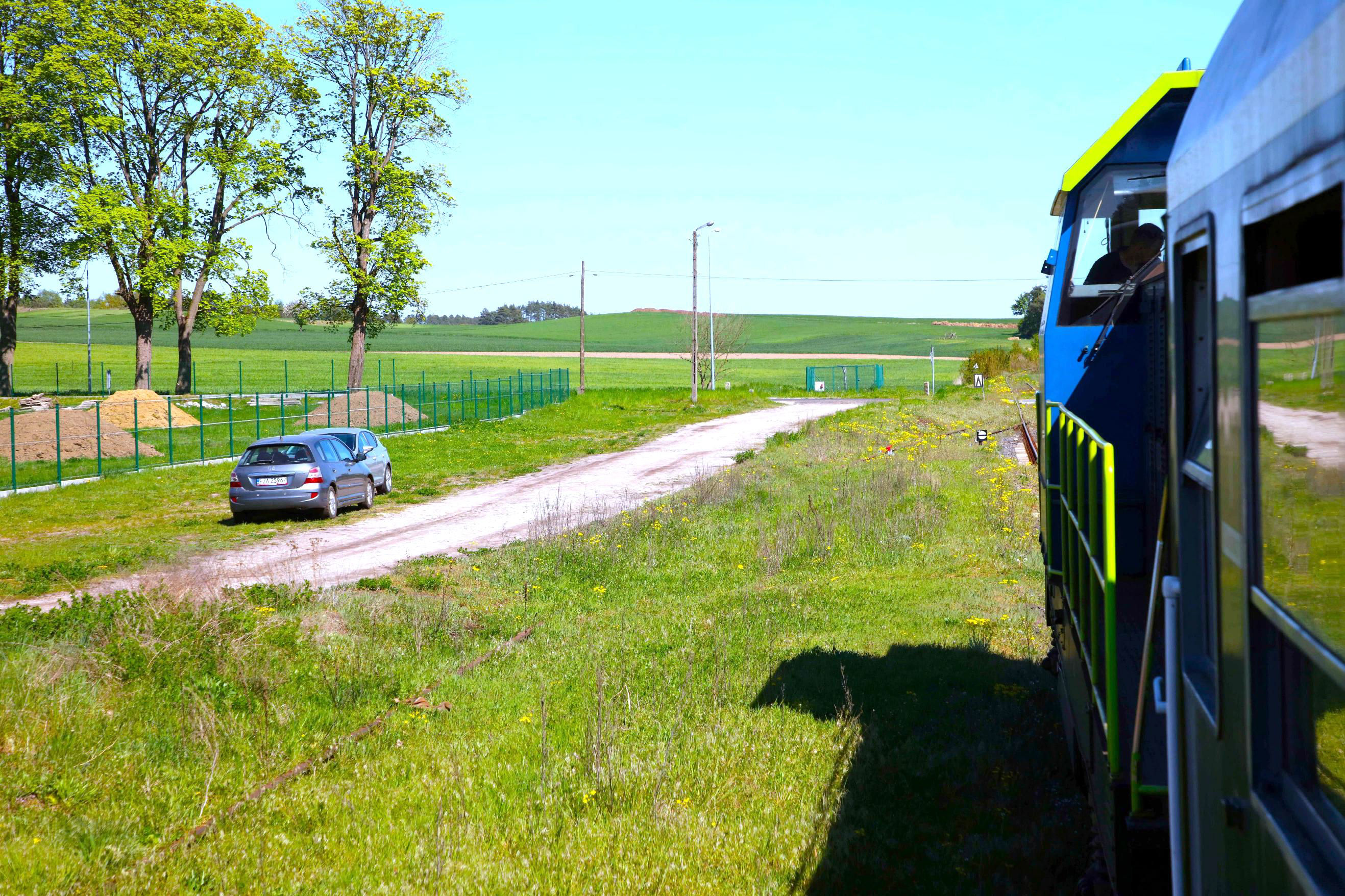
Sieniawa Lubuska, end of line, there is little here except for the former passenger station… The loop hasn't been used recently hence 'T&T'
[© Iain Scotchman 2025]The tour crossed a wide and seemingly quite busy highway governed by traincrew activated barriers. No doubt this surprised occupants of the cars who filmed us passing on their phones, if only to assuage any disbelief when they told anyone at their destination, 11 minutes late due to a slow moving railtour at level crossing. At Toporów the effect of perverse incentives manifested itself in that, being charged by the hour, we dropped our rebuilt loco as soon as we could, This meant it had to return to Rzepin light engine, burning fuel in a separate path. You might think they would have said: Oh, just tow it back and we won't charge you for the last hour. Back at Rzepin, there was a brief pause from 15.57 to 16.01 about 43 down. Then we headed out on Line 822 for our next run round (if the crew don't receive a run round bonus, they're missing a trick.) at Kowalów. This is a pretty nondescript place but affords access to the Rzepin Avoiding Line - the next major track objective. The late afternoon was sunny and warm, making observation out of the open drop lights very comfortable. We headed south and veered right at Drzeńsko on what is the main line, the route towards Frankfurt (an der Oder) in Germany, only some 10km to the west as we made our long elliptic 10Km trip arriving at Jerzmanice Lubuskie to run round.
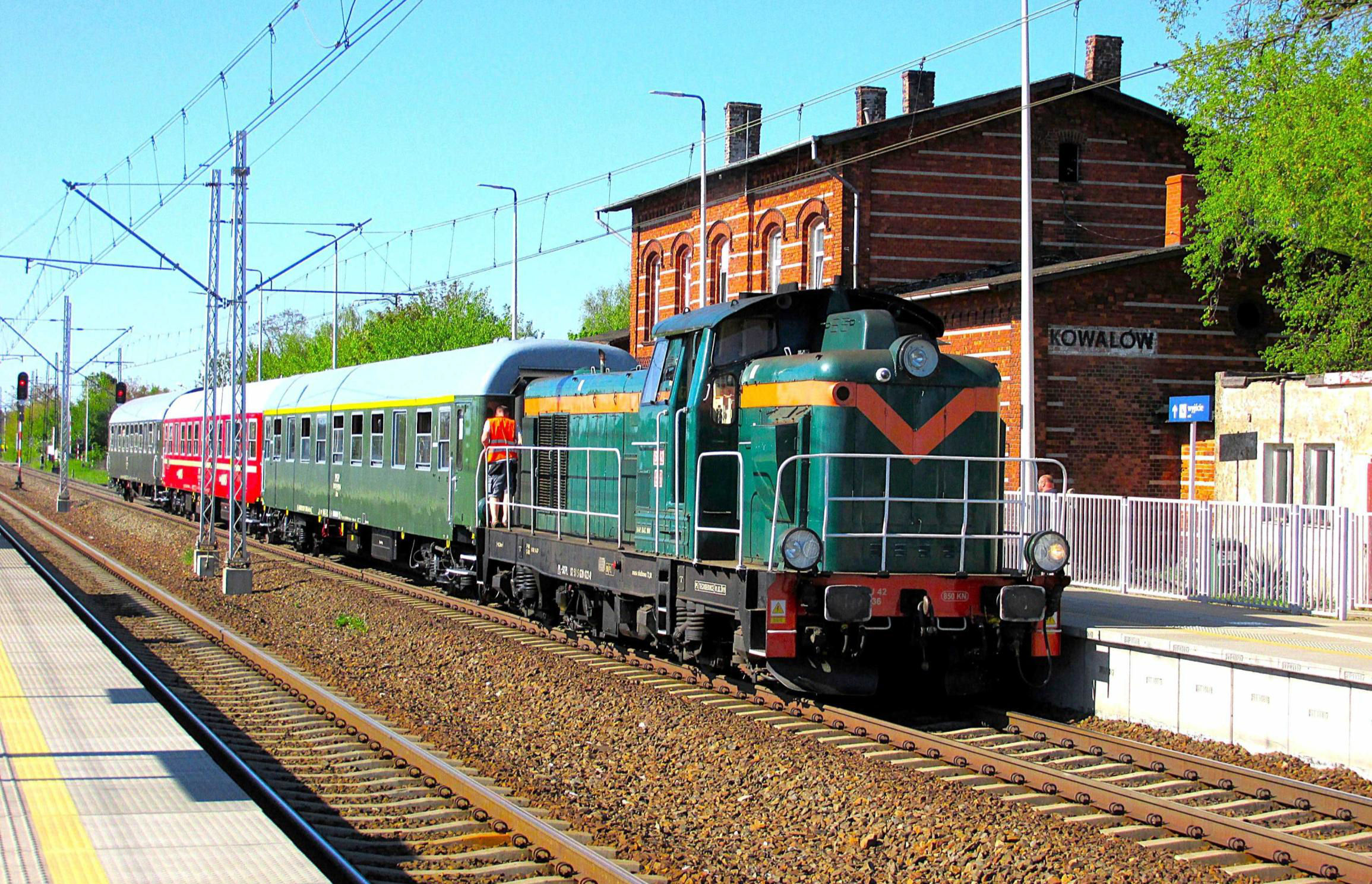
A photo stop at Kowalów after running round, prior to running south over the Rzepin Avoiding Line.
[© Simon Mortimer 2025]Our arrival was clearly a surprise to a chap stretched out on a bench, apparently sleeping off lunch. Presumably, he had judiciously checked the timetable to determine he would not be disturbed for some hours‽ One of our party made a polite enquiry of the signalman in his classic mechanical signal room for a visit and photos, who clearly agreed and soon had a good proportion of the tour party rotating through. If we had all gone in at the same time, you couldn't have thrown a lever. He seemed happy, probably nonplussed at the apparent interest in his small working world, until we yet again headed back into Rzepin on Line 821, leaving at 17.24. Now 65 down, at first we retraced our tracks towards Drzeńsko but pressed on further north to Kostrzyn nad Odrą. (Nad Odrą = High Level) Here, many had hoped that we would run round in Kostrzyn Towarowy (Freight Yard) and then Line 827 towards Dębno Lubuskie.
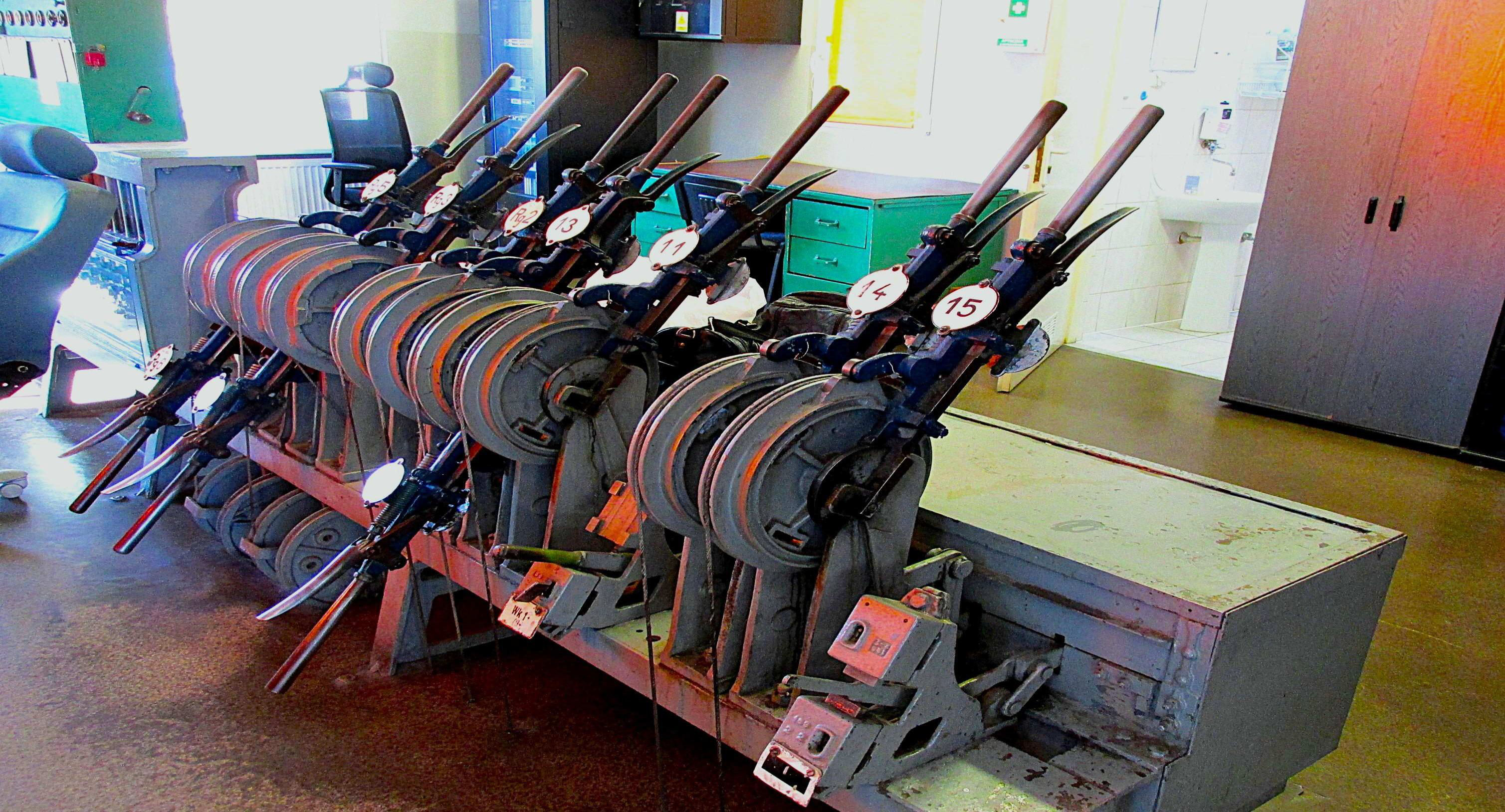
The tiny Jerzmanice Lubuskie signal cabin was visited by many of our Wielkopolski Explorer participants during yet another run round.
[© Simon Mortimer 2025]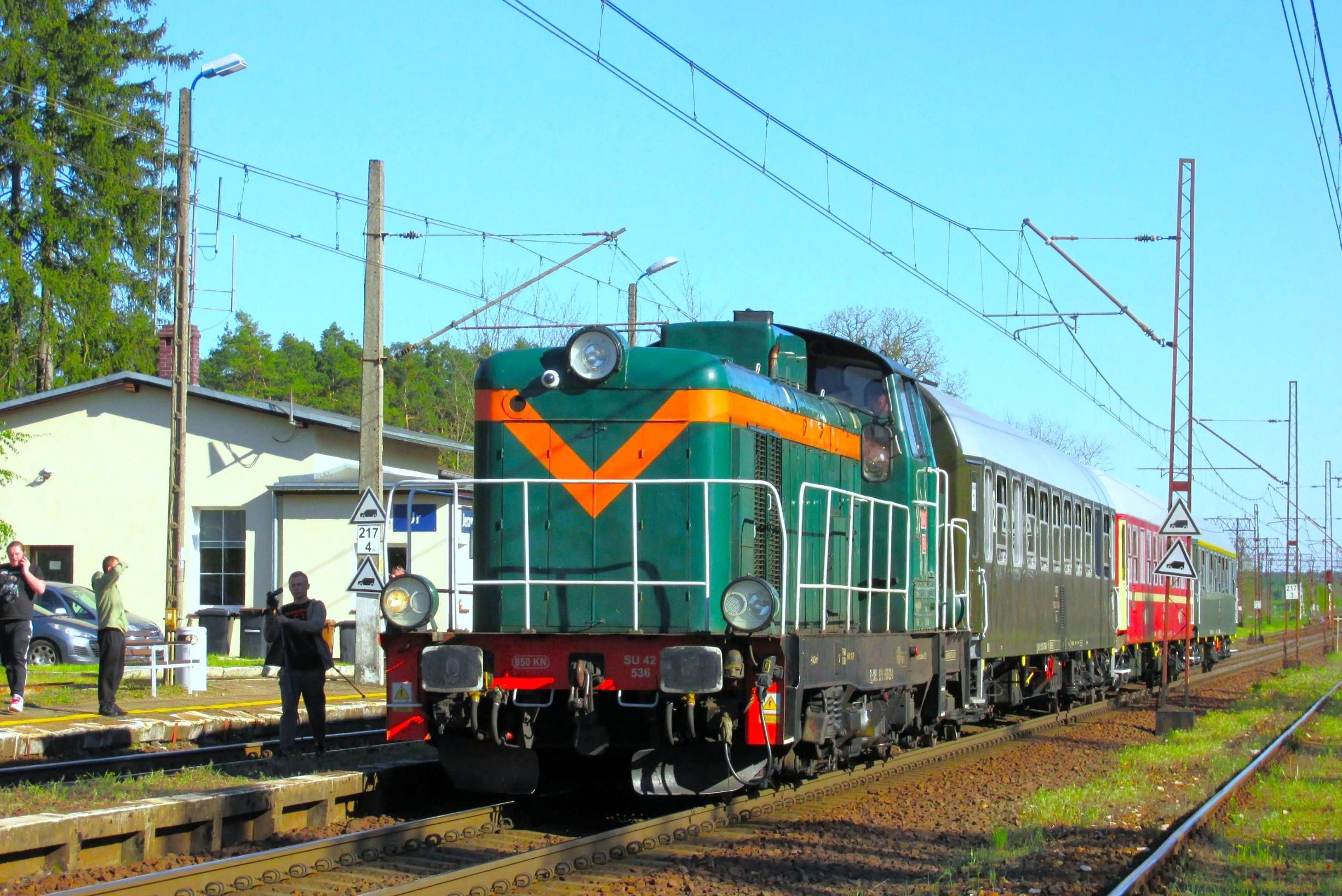
Jerzmanice Lubuskie, after running round, SU42 526 awaits departure back towards Rzepin. That diminutive signal cabin is off left.
[© Simon Mortimer 2025]However, we didn't and rather propelled in a way unimaginable in UK, (at least this century.) across the main line and up the opposite curve, Line 828, photographed by a local halfway up the rungs of a lighting column holding on by one hand with one foot on a rung. If we had kept going for a couple of minutes more, we would have propelled into Germany but proceeded into Kostrzyn nad Odrą instead.
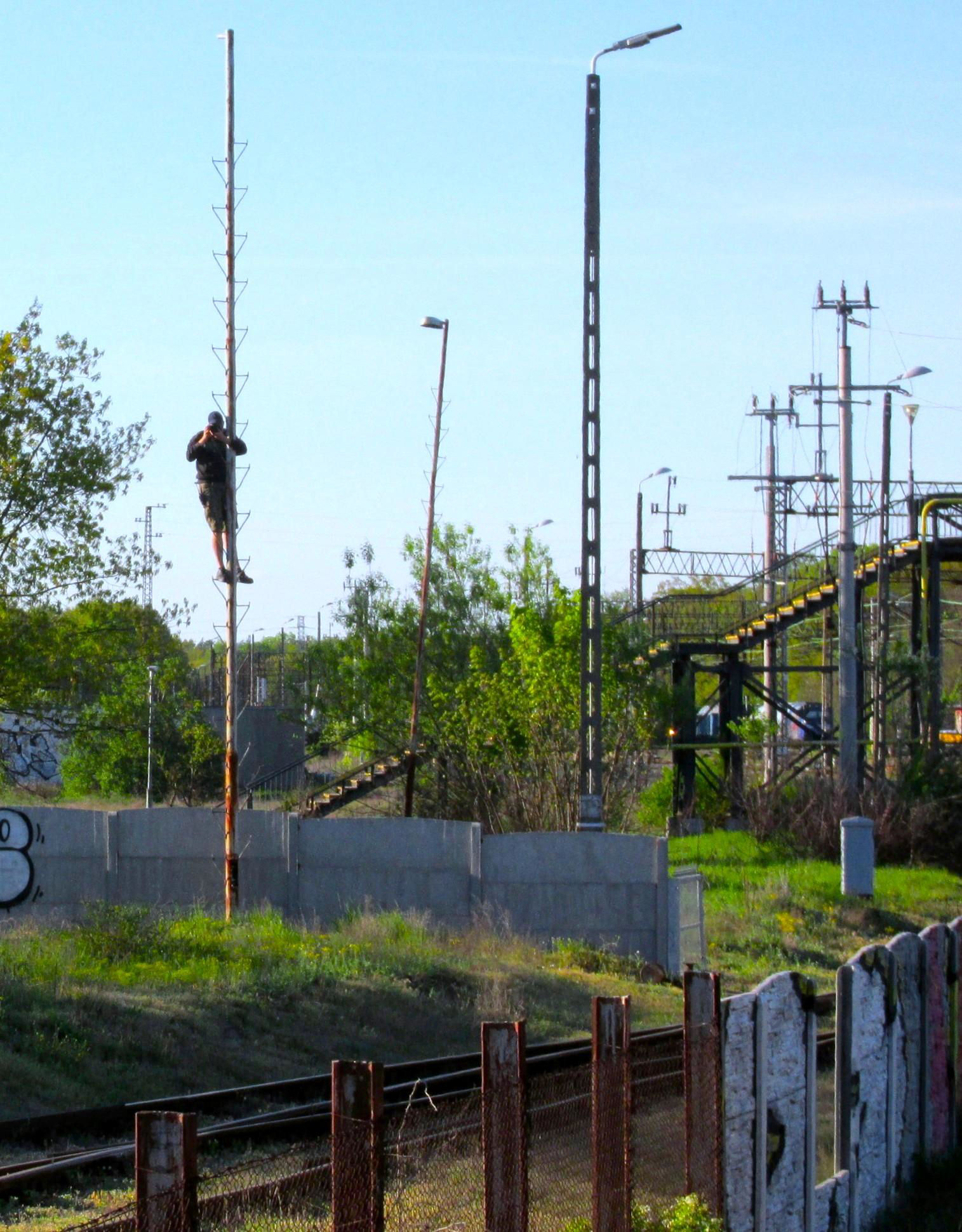
A local Pole halfway up a pole photographs our tour propelling around Curve 828 at Kostrzyn.
[© Simon Mortimer 2025]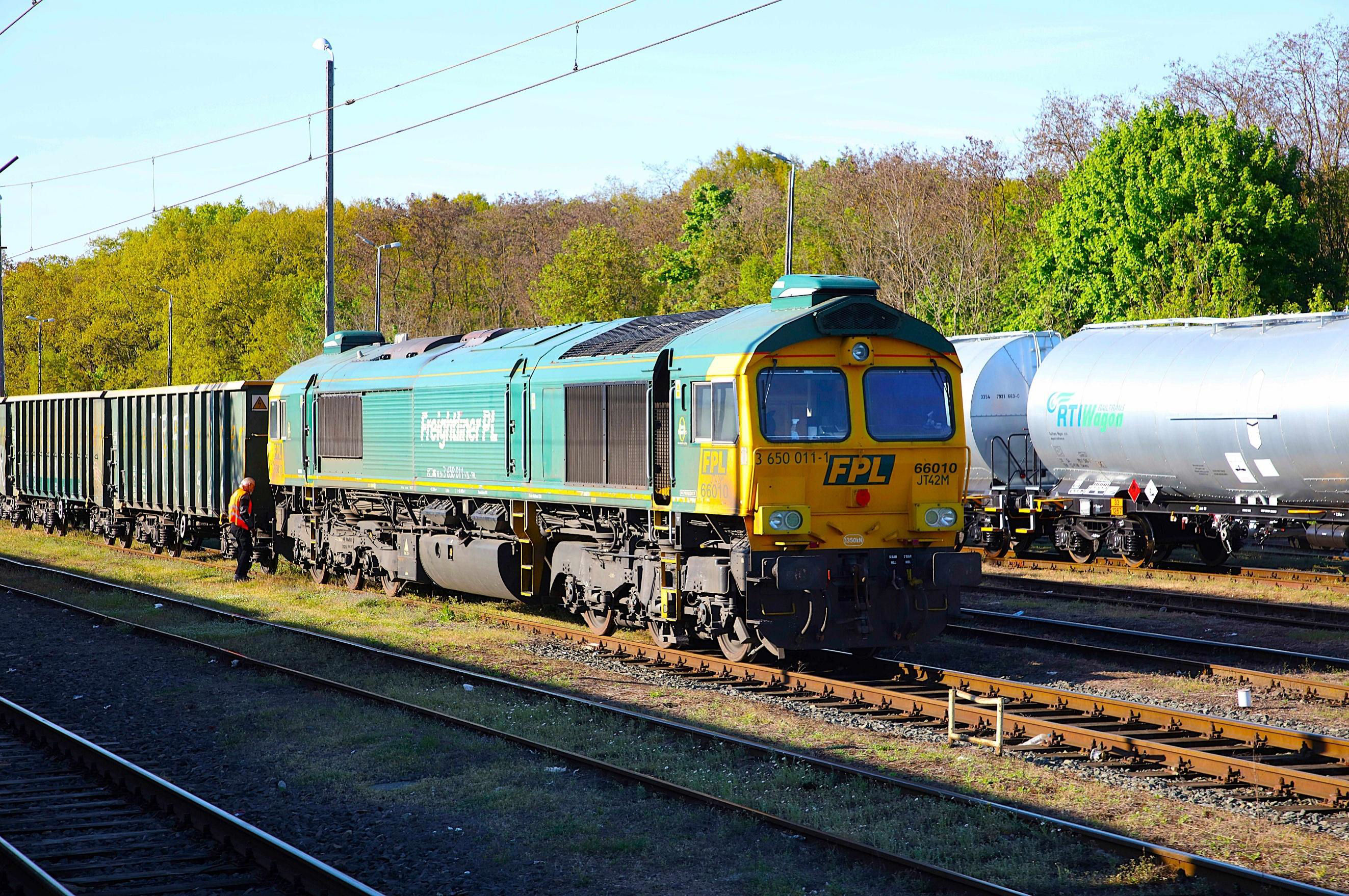
Freightliner 'shed' 66010 in Kostrzyn Towarowy (Freight Yard).
[© Iain Scotchman 2025]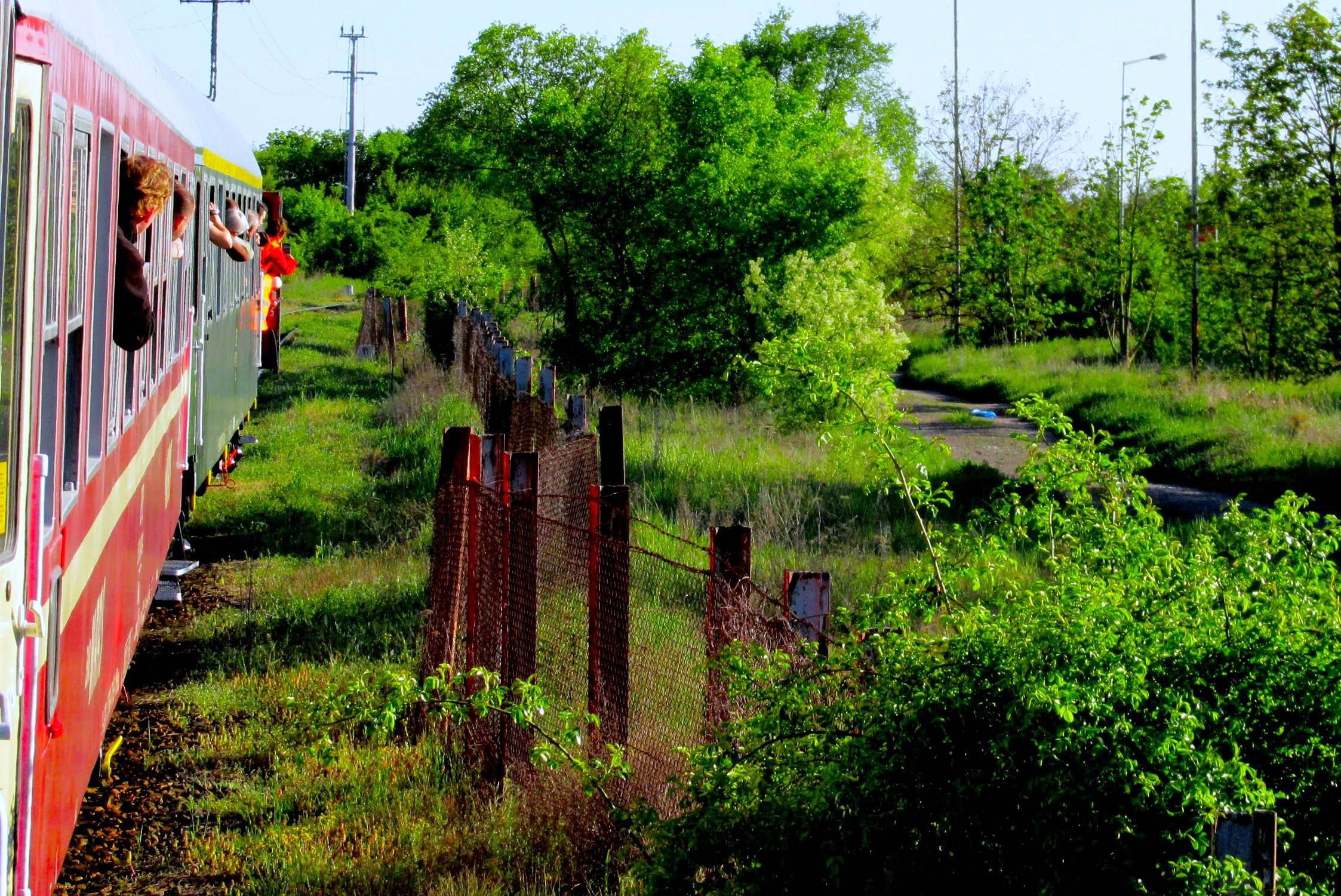
View forward propelling up Curve 828 from Towarowy Yard towards Kostrzyn High Level via reversal at KoA3 immortalised by a videographer.
[© Simon Mortimer 2025]The beautifully renovated red brick building shone in the low evening sun. After the obligatory pause, we headed round the back of Kostrzryn Yard (Line 430) to Dębno Lubuskie some 19km, a former cross country route stretching to Stargard. At Dębno Lubuskie we couldn't alight, because the station wasn't adjacent but we were on a beautifully renewed set of lines during the run round which saw the front vestibule packed with photographers. Returning to Kostrzyn nad Odrą, the evening sun dropped lower and lower. Back at the junction, during run round, the red bricks of the renewed station positively burnt in the sunlight. From our platform here it wasn't as simple as it might appear; there was no direct connection to the main line. The only access was through the Yard, and so off we set on Roads 3c - 5 - 10 (neck with 7a) - 13 and crossover 2 (main). More simply, it was the fifth yard road across most of the way. The 'alternate' route towards Dębno, off Line 203, was a through siding with derailers, so we weren't doing it that way. It was only some 40 mins to Gorzów Wielkopolskie (Wielkopolskie = Greater Poland, the tour name) and we rolled into the southern side of this widely split station about 40 down.
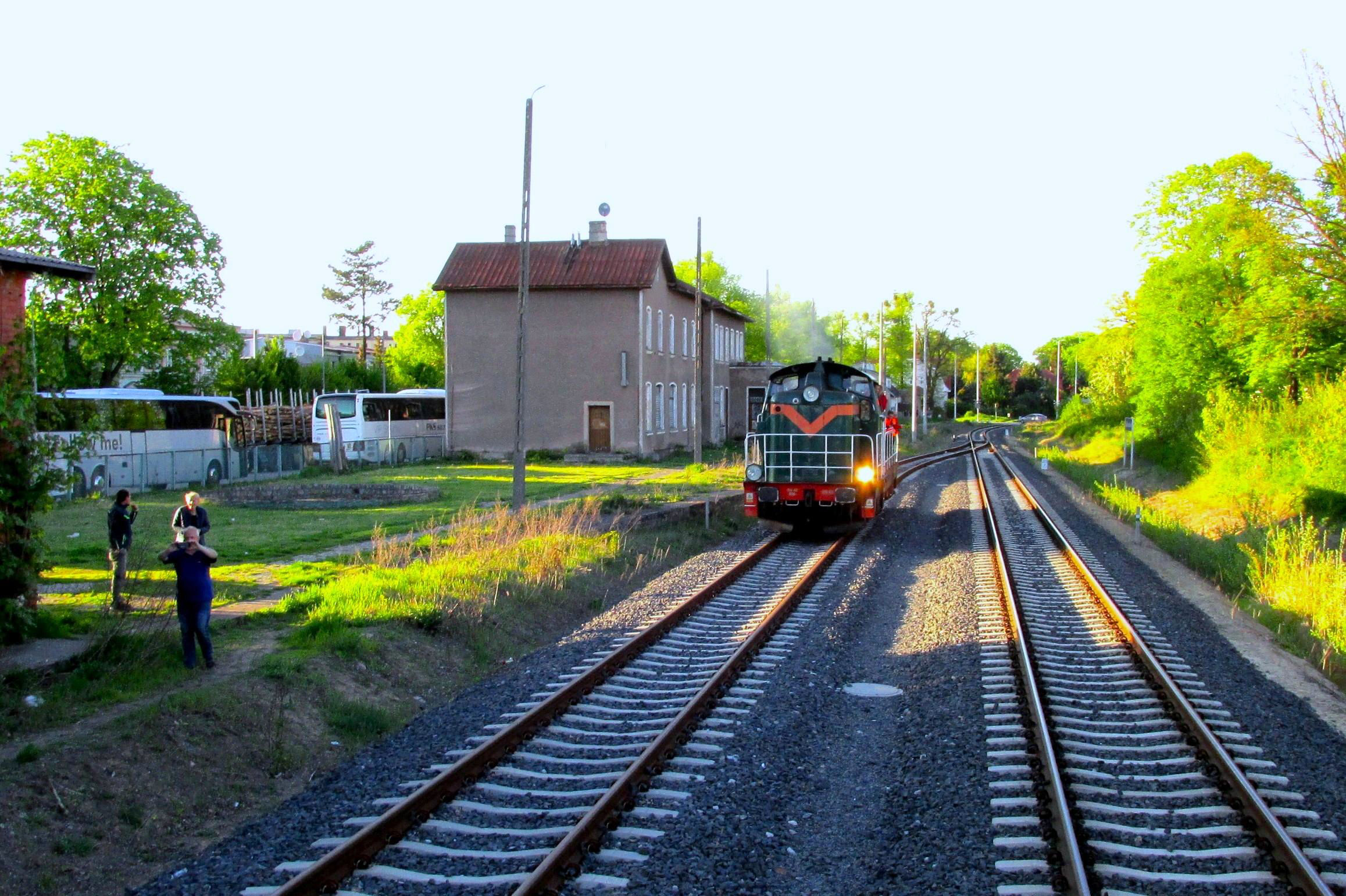
Dębno Lubuskie with the tour loco running round on the immaculately relaid tracks, the old station is left.
[© Simon Mortimer 2025]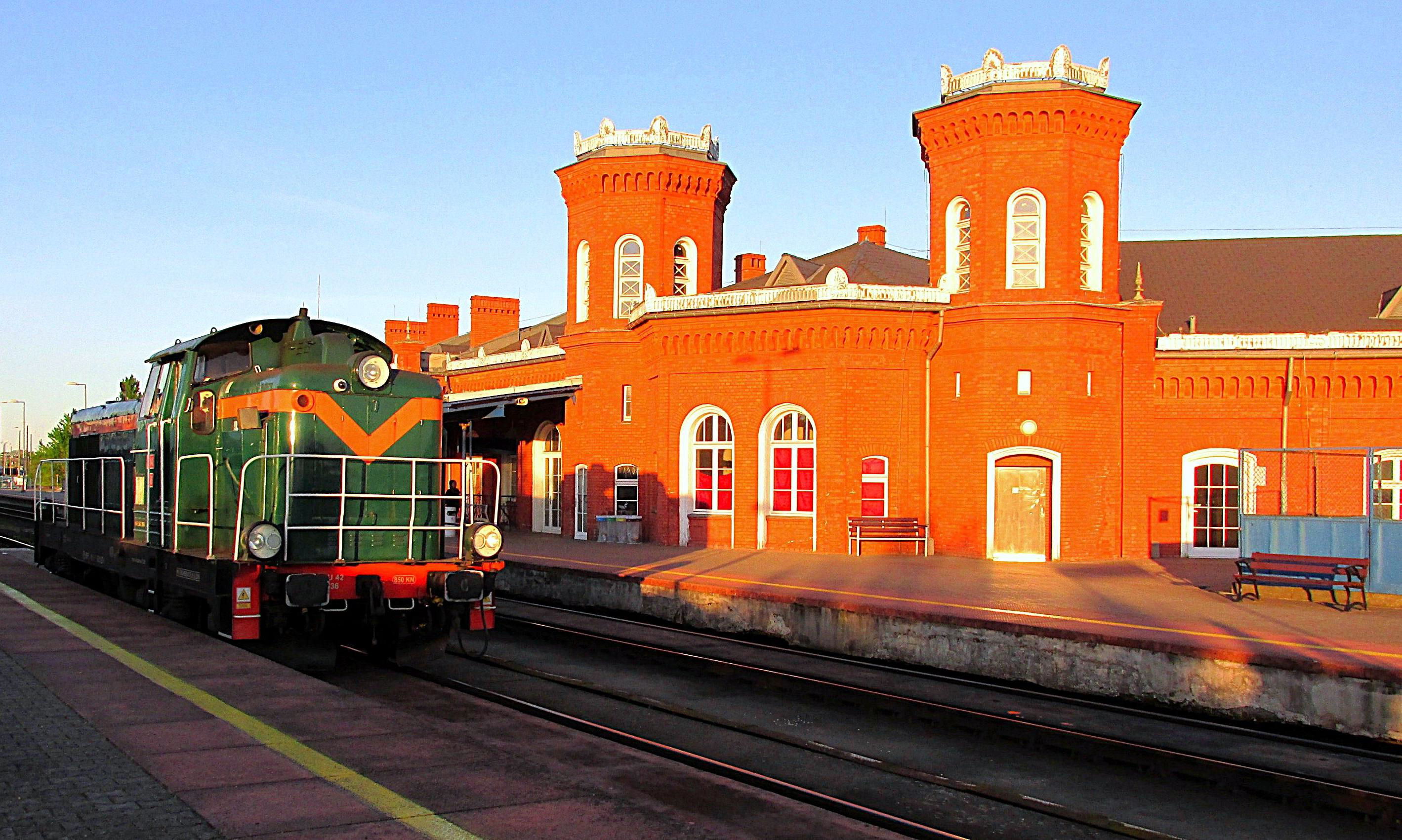
SU42 536 running round past the blazing red brickwork in the low evening sun at Kostrzyn High Level station.
[© Simon Mortimer 2025]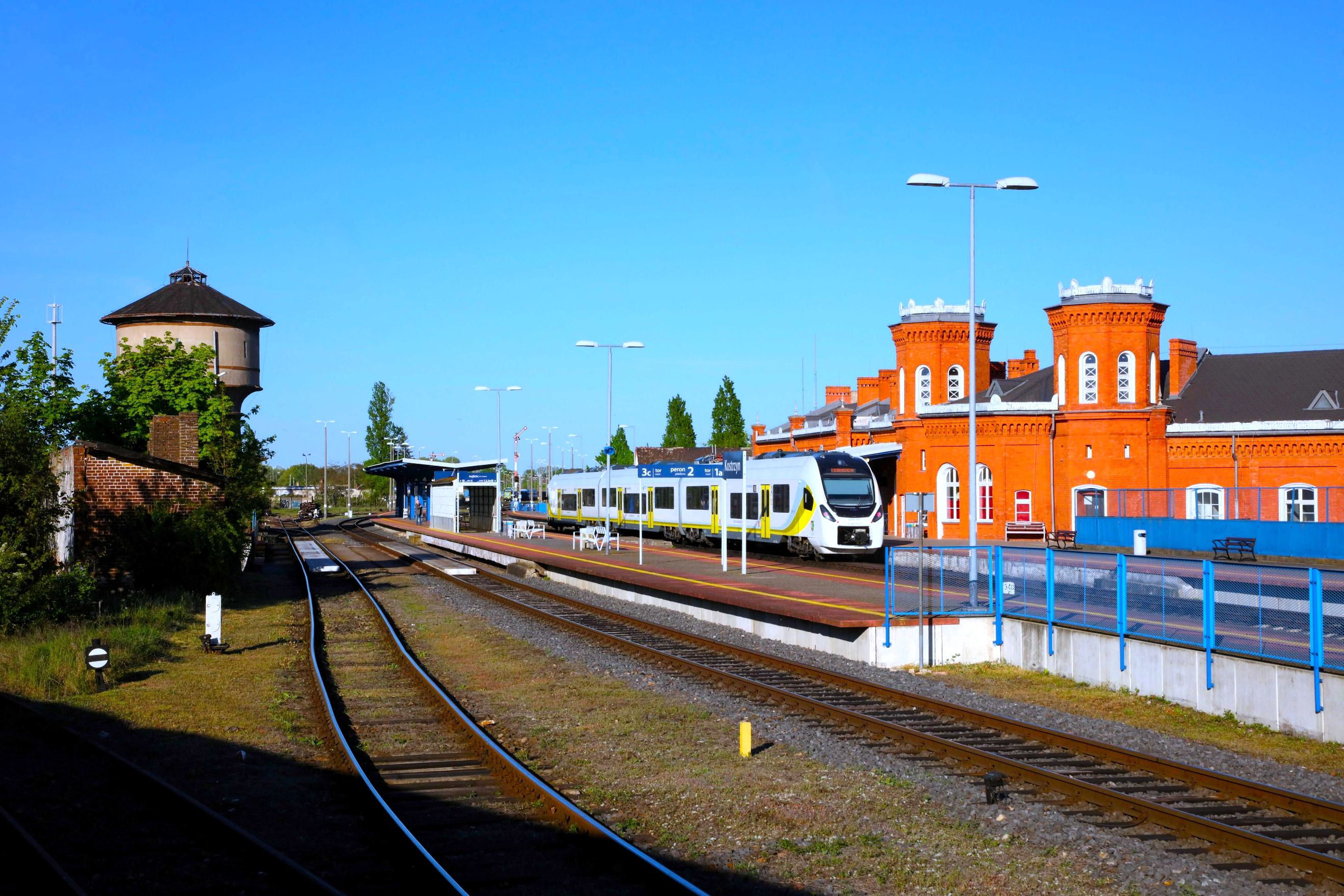
Another view of Kostrzyn High Level station with a train for Normals.
[© Iain Scotchman 2025]Now Gorzów Wielkopolskie isn't big, isn't full of hotels and everyone was on foot. The Qubus Hotel was about 5-10 minutes stroll away - handy and reasonably priced for a 4-star hotel. So, probably half the tour compliment went there, including what appeared to be almost all the UK contingent. At about 20.45, depending on how fast people walked, 40 odd people [that's what Simon wrote] all turn up in front of the ONE man on reception. The queue stretched out the door. I noted he diligently told the first few about the niceties like Wi-Fi but, seeing the queue extend, he sped up and after glancing the passport said, Room XXX, Floor XXX, breakfast 06.30 (earlier as one of our party phoned ahead … well done, that man.). On returning to the restaurant about 10 minutes later, the queue was quite reduced.
The hotel had also extended the restaurant hours to midnight. However, we weren't hanging about, the four on our table perused the menu and, yes, fish & chips it is. The young restaurant manager who spoke very good English, typical for his generation in Poland, took our order for four fish & chips, possibly with a slight smile as it was audible that many others did the same. Were we reinforcing the national stereotype? Yes! He brought the beers and we talked railways and tours until we needed to order more beer. Then the F&C arrived, oh, cuisine culture shock … no batter!! This was Polish fish & chips, with salad but, once the shock of naked fish flesh was therapeutically discussed and evaluated by eating it, hey, it was really nice. The restaurant manager chatting to us over the dessert order said this was a business hotel, generally empty at weekends and they hardly ever saw foreign visitors. They had been quite perplexed as bookings, just for this night, built up over the preceding weeks and months with no apparent festivals or other obvious events to explain the one night of international popularity. Dinner done, it was time to get sorted out and ZZZ ZZZ as breakfast was at 06.30 on Day 3.
Continued in Part 3