BWC 2 Day 2, Over The Top To Oban
Saturday 9th March 2024
Report by Phil Logie
The Branch Line Society (Test)
Guest

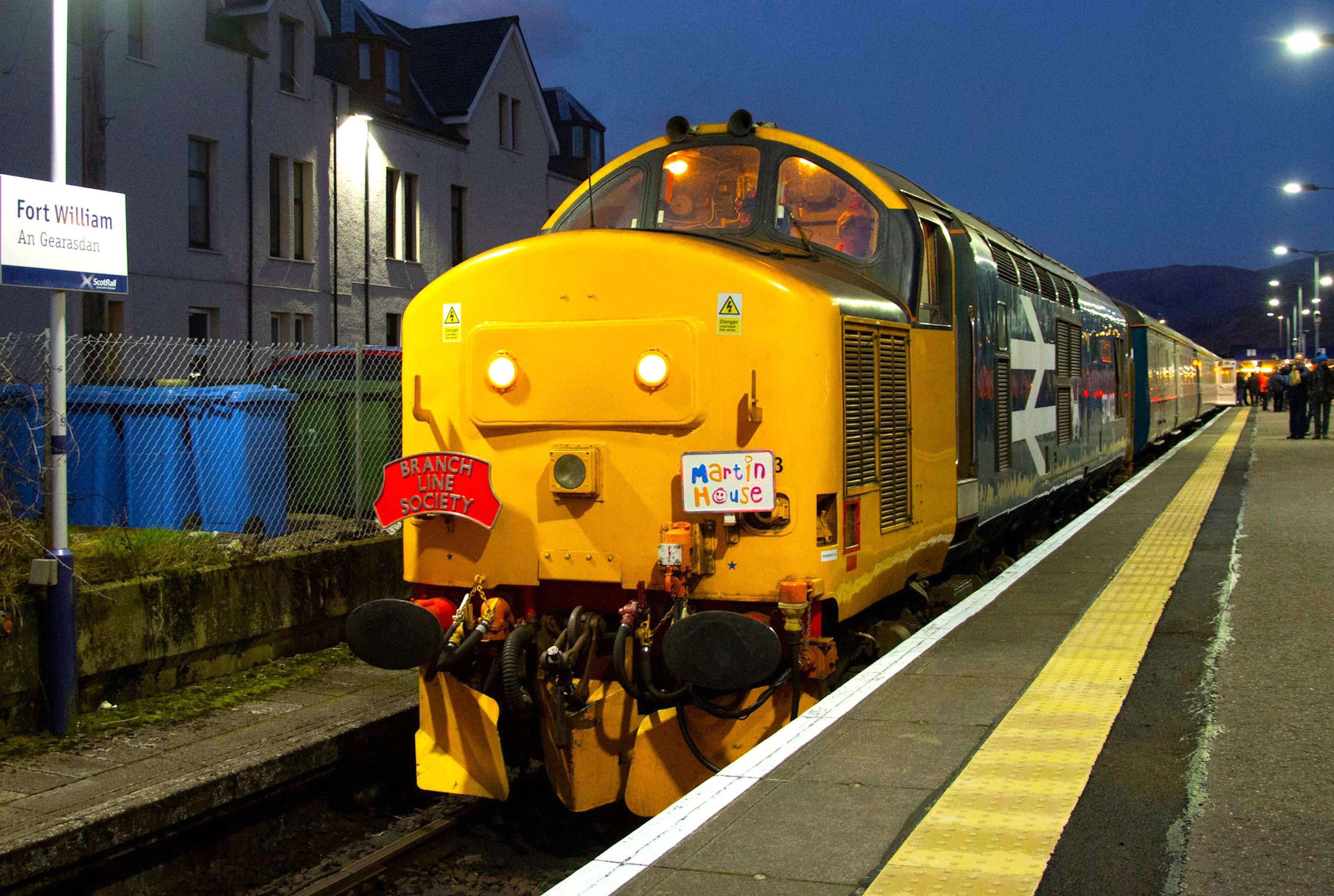
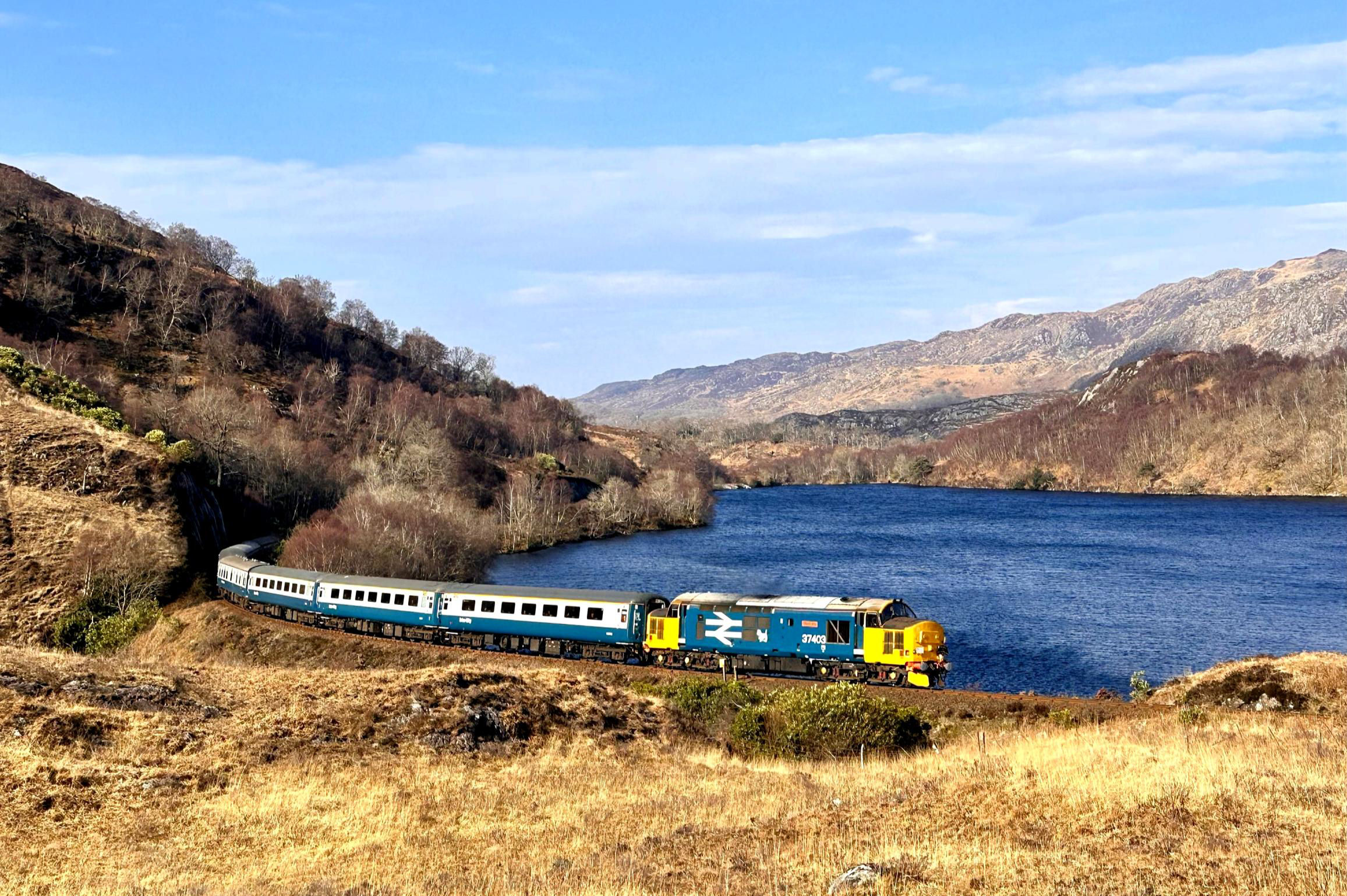
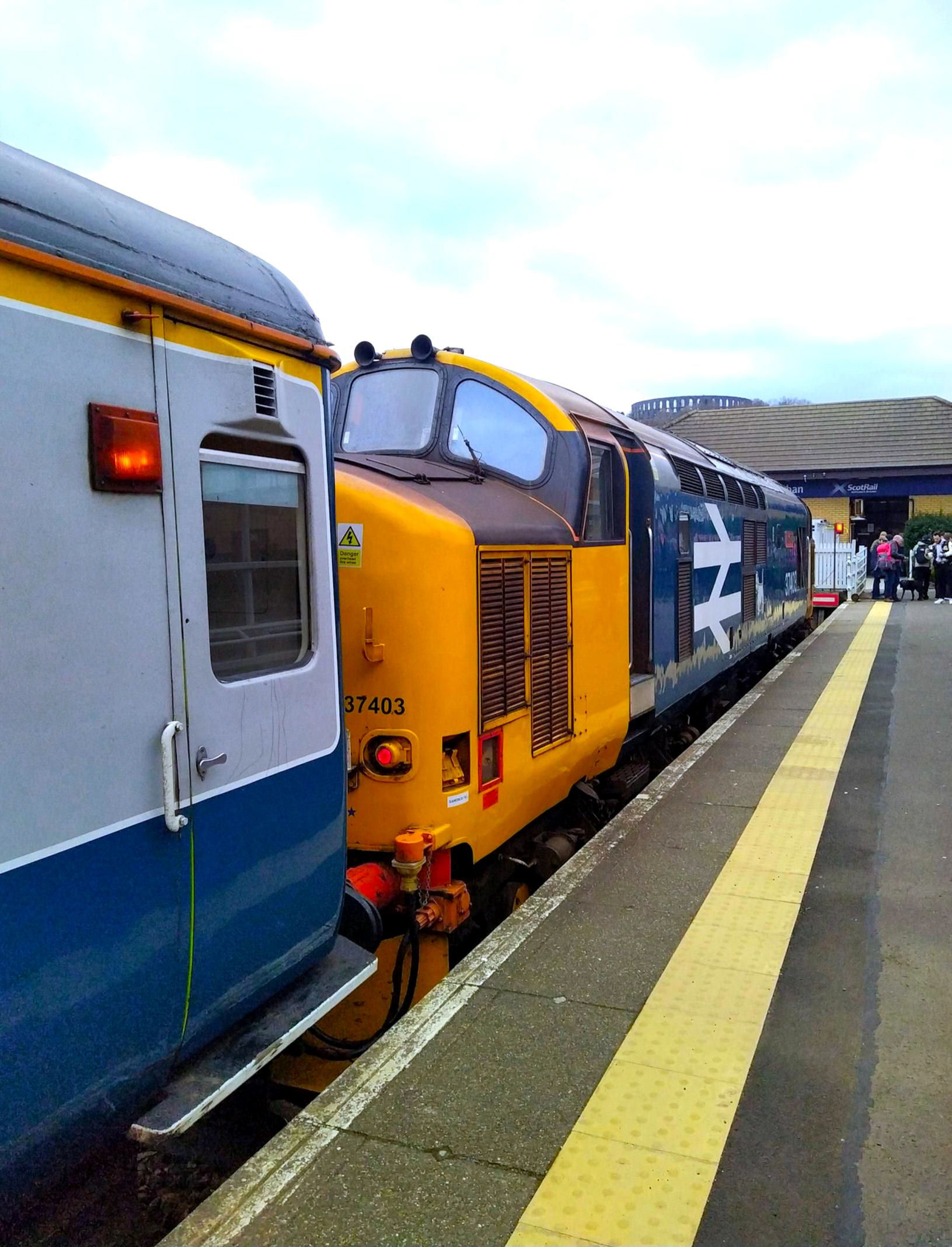
When I first noticed this BWC2 [Because We Can] railtour, I thought WN (Why Not?). I thoroughly enjoyed BWC1 and looked forward to three days of quality travel with an interesting heritage loco and the added bonus of assistance by a GBRf Class 66 on Day 3. I have to admit to being partial to Class 37s, as they used to operate all the freight trains on the line close to where I lived as a child. Although that line was in a cutting, there was no mistaking when a train was going past!
I have travelled to Fort William and Oban numerous times during the years when the trains were hauled by Class 37s but rather less so since the Class 156 DMUs took over. This provided an ideal opportunity to relive old times with the added bonus that there would be familiar faces onboard.
My last journey between Oban and Fort William had been an 'interesting' experience on one of the two, then, weekday buses. This was the afternoon service, which was also a school service. On arrival in Oban town centre, it was already very heavily loaded but the children kindly rearranged themselves, without anyone asking, so all who boarded had a seat. There was quite a bit of noise as we left Oban but it was nowhere near as pleasant as the sounds that would be heard on our BWC2 departure!
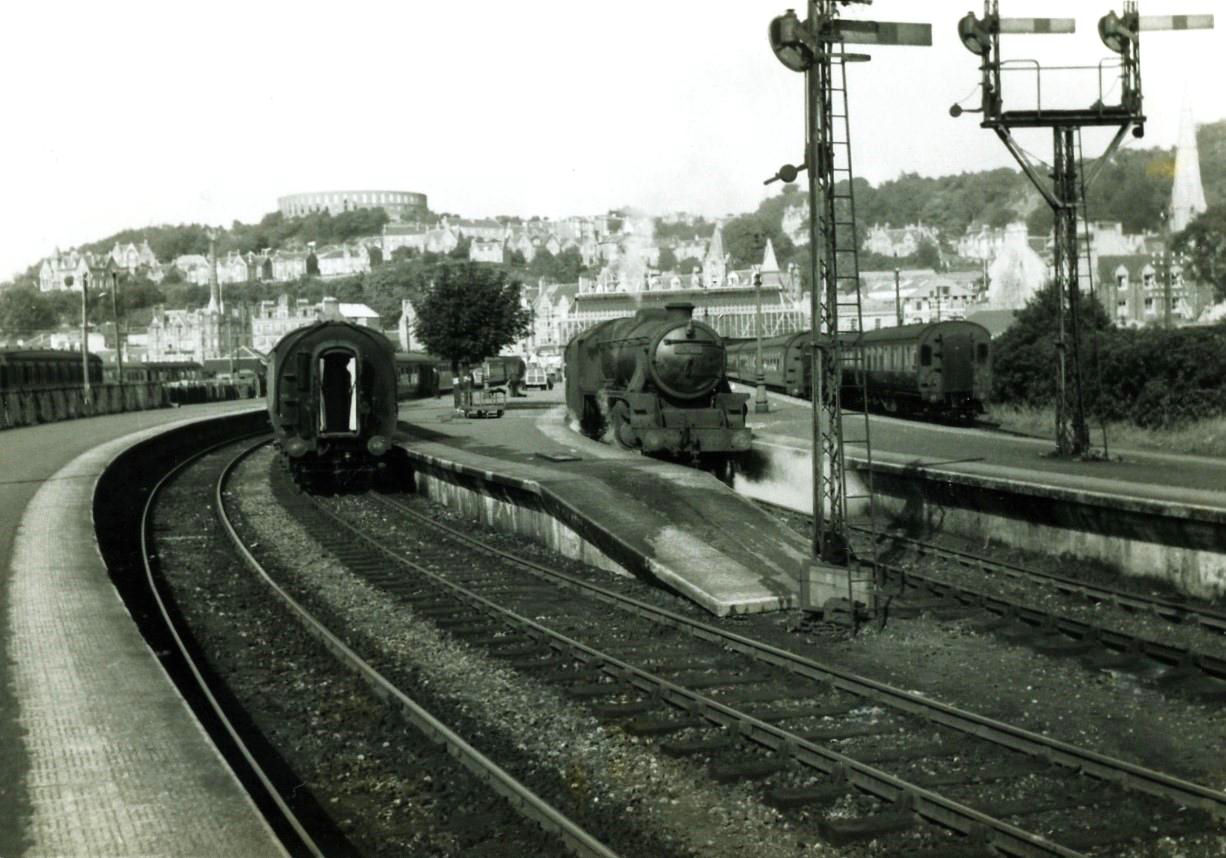
You may be wondering why I'm mentioning a bus journey in BLN but the reason is that it allowed me to score a required piece of track, well sort of, in the form of the magnificent Connel Bridge. The single track bridge originally carried the Connel Ferry to Ballachulish branch of the Callander & Oban Railway. Opened on 20 Aug 1903, it today carries the A828 road between Oban and Fort William. On opening, the bridge had a longer span than any other rail bridge in Britain except the Forth Bridge. Originally, it carried just the single track railway and, in 1909, a train service started running between Connel Ferry and Benderloch (2¾ miles), on which road vehicles could be transported over the bridge. A single car was carried on a wagon hauled by a charabanc that had been adapted to run on rails at St Rollox railway works in Glasgow. It also called at North Connel station on the north side of the bridge.
In 1914, a roadway was added to the bridge, alongside the railway line. The road occupied the western side of the bridge, with the railway running parallel immediately to the east. Due to the close proximity of road and railway, road traffic and trains were not permitted on the bridge at the same time and the bridge was effectively operated as an extended level crossing with gates. The road crossed to the opposite side of the railway at the north end of the bridge. A toll was payable by road users. After the branch closed in 1966, the bridge was converted for the exclusive use of road vehicles and pedestrians, with the toll abolished. Despite removal of the railway track, the roadway is still not wide enough for two vehicles to pass each other, so traffic lights are installed at each end of the bridge.
| Branch Line Society. A Company Limited by Guarantee - Company No 16743754. Registered in England and Wales. Registered address: 6th Floor, Derwent House, 150 Arundel Gate, SHEFFIELD S1 2FN |