Guided tour Manchester Mayfield & Piccadilly station undercroft
Friday 24th November 2023
Report by Andy Chard
The Branch Line Society (Test)
Guest

Coming from Manchester, Mayfield station has always intrigued me. I'm just about old enough to have witnessed its last train movements and recall wondering, as a 12 year old in 1985, what the mysterious building was that I could see Class 08s and rakes of parcel vans disappearing into. I'd been meaning to visit Mayfield for years and had already regretted passing on earlier opportunities to, as what remains of the station has gradually been disappearing in recent years. I therefore booked onto this to explore the former station. It was a pre-AGM fixture and fully booked with 18 members.
Before I report on it, a bit of Mayfield history should help put it into context. At the start of the 20th Century, the opening of two new 'high speed' main lines to Manchester brought some early capacity constraints to the terminating platforms at London Road (Manchester Piccadilly since 12 Sep 1960). Through trains on the new Great Central Railway route from London Marylebone began arriving in the eastern bay platforms from 1899 and capacity on the London & North Western Railway (L&NWR) western terminating platforms was then squeezed when that company's new line from Wilmslow via Styal opened in 1909. In response, the L&NWR built an overflow station which was initially to be named Fairfield Street and then became known as Mayfield, taking the name from the former Mayfield Print Works that previously occupied the site. The station opened on 8 Aug 1910 with five terminal platforms, predominantly used by local suburban trains. However, some longer distance services also used it, such as the 'Pines Express' to Bournemouth during the 1950s. It was never popular as, while it was near London Road, it was a further 10 minute walk from the city centre.
For thousands of city centre workers who had to commute to/from Mayfield, many returning home by train on their lunch breaks, this was too much to ask and usage declined. The station had a final fling between 1959 and 1960, when many services were diverted into it while London Road was rebuilt and the ex-L&NWR platforms electrified. Once its larger, more conveniently located neighbour was back in action in 1960, Mayfield closed to passengers at 6pm on Sat 27 Aug 1960, just 50 years after opening. It continued in use for parcels, post office, newspaper and mail order traffic (details at BLN 1300.467) for several years - (does anyone know how long for?) - then the junction was disconnected (when?).
Mayfield was revived as a secure parcels depot from 6 Jul 1970 with a reinstated simpler mainline connection and was linked to the Post Office (as then) parcels sorting depot on the eastern side of the running lines entering Piccadilly station, by way of an overhead bridge containing a conveyor belt. Rail parcel operations at Mayfield continued until 1986, when the Post Office transferred this traffic from rail to road. The mainline junction was disconnected from 1 Nov 1987 and the track lifted by Sep 1988. The overhead conveyor bridge was removed in 2003. The main building suffered fire damage in 2005.
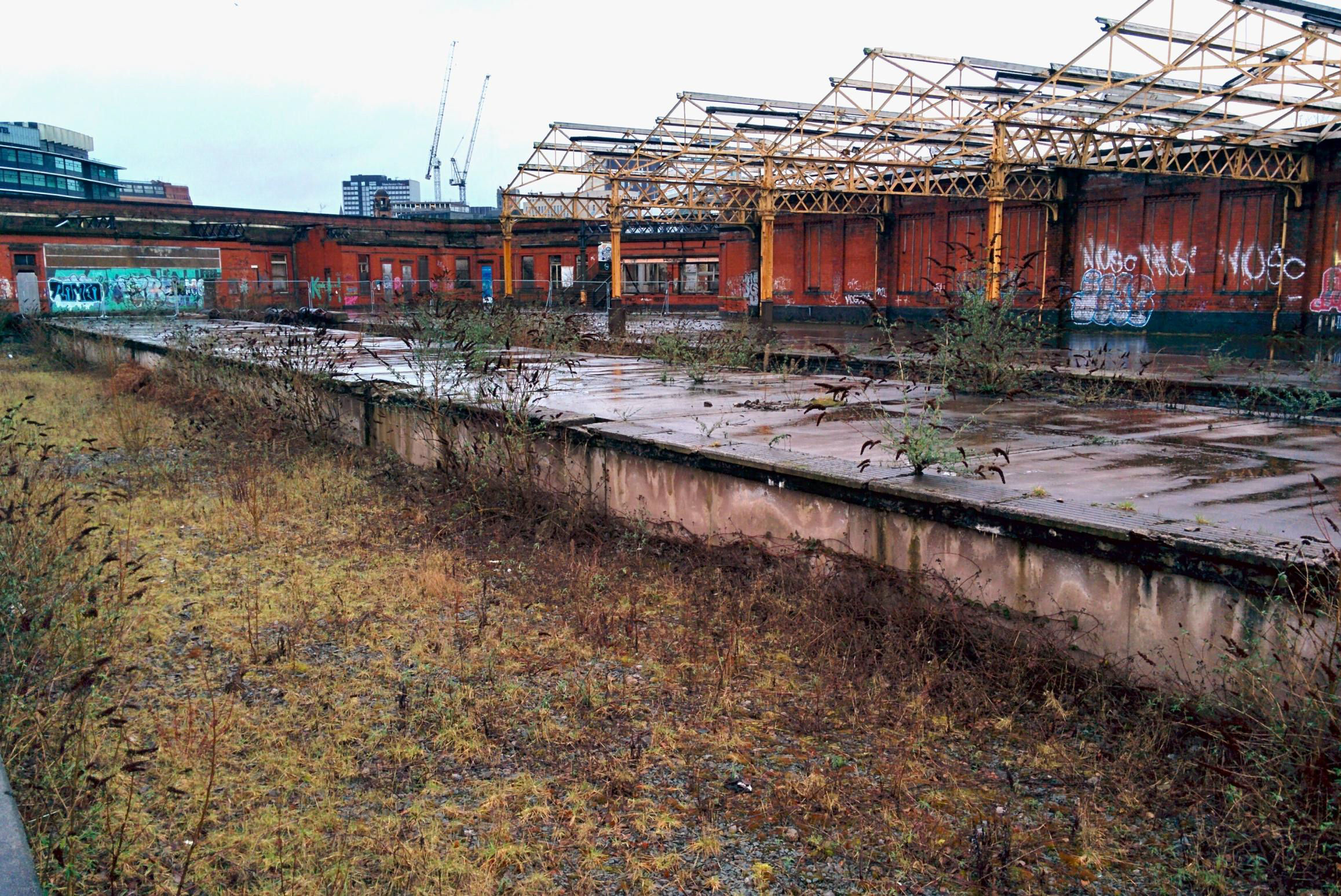
During the early years of the 21st Century, proposals were made to rejuvenate Mayfield, including even reinstating it as a railway station. During this time, it fell into increasing dereliction, particularly after its roof was removed in 2013. NR intended to demolish the station so that the entire site could be cleared to make way for a modern redevelopment but thankfully that is now not going to happen. In 2016, the whole 24-acre site was purchased by the regeneration specialist 'U+I' - later acquired by 'Landsec'.
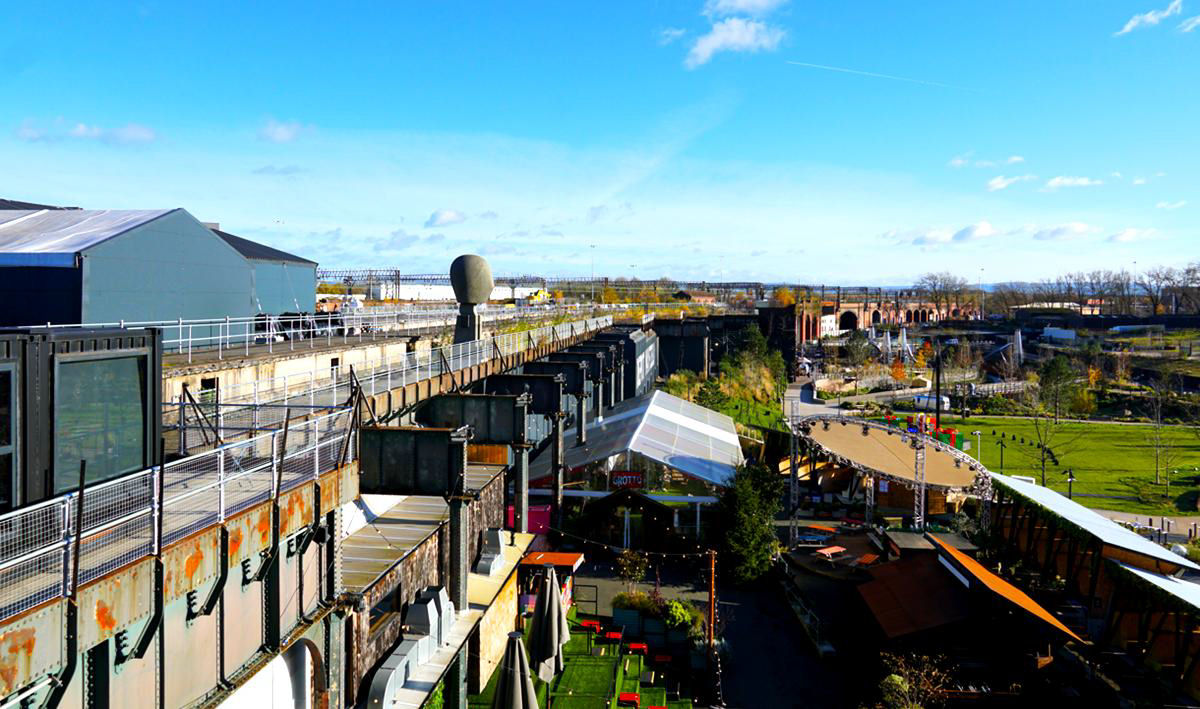
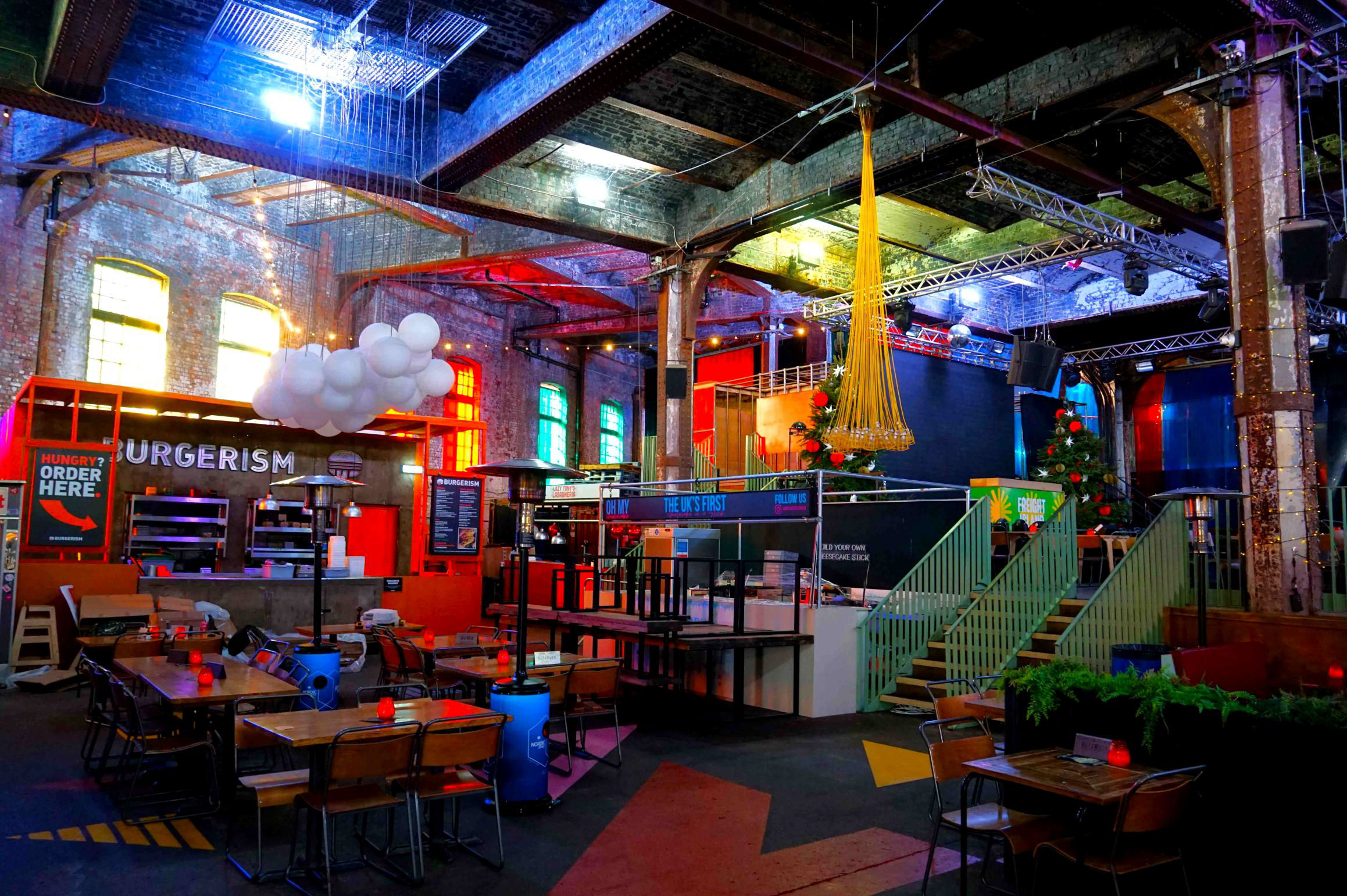
The new owner saw the historical value of the remaining station buildings and made it their intention to incorporate these into future plans as much as possible. Since then, the station and its ground level undercroft have been turned into an entertainment and conference venue for over 10,000 people. Parts of the surrounding site have been redeveloped, including the creation of a new urban park for local people, which includes novel features such as the country's only slide that crosses a river (the River Medlock)! Significantly larger and ambitious redevelopment is due to take shape in the coming years. This includes a combination of residential, retail and hotel buildings, with the former station entrance and platform areas becoming an elevated entrance and concourse area. The entertainment and conferencing business will remain in the undercroft, although it will be smaller, catering for a few thousand rather than the five figure number that it currently holds.
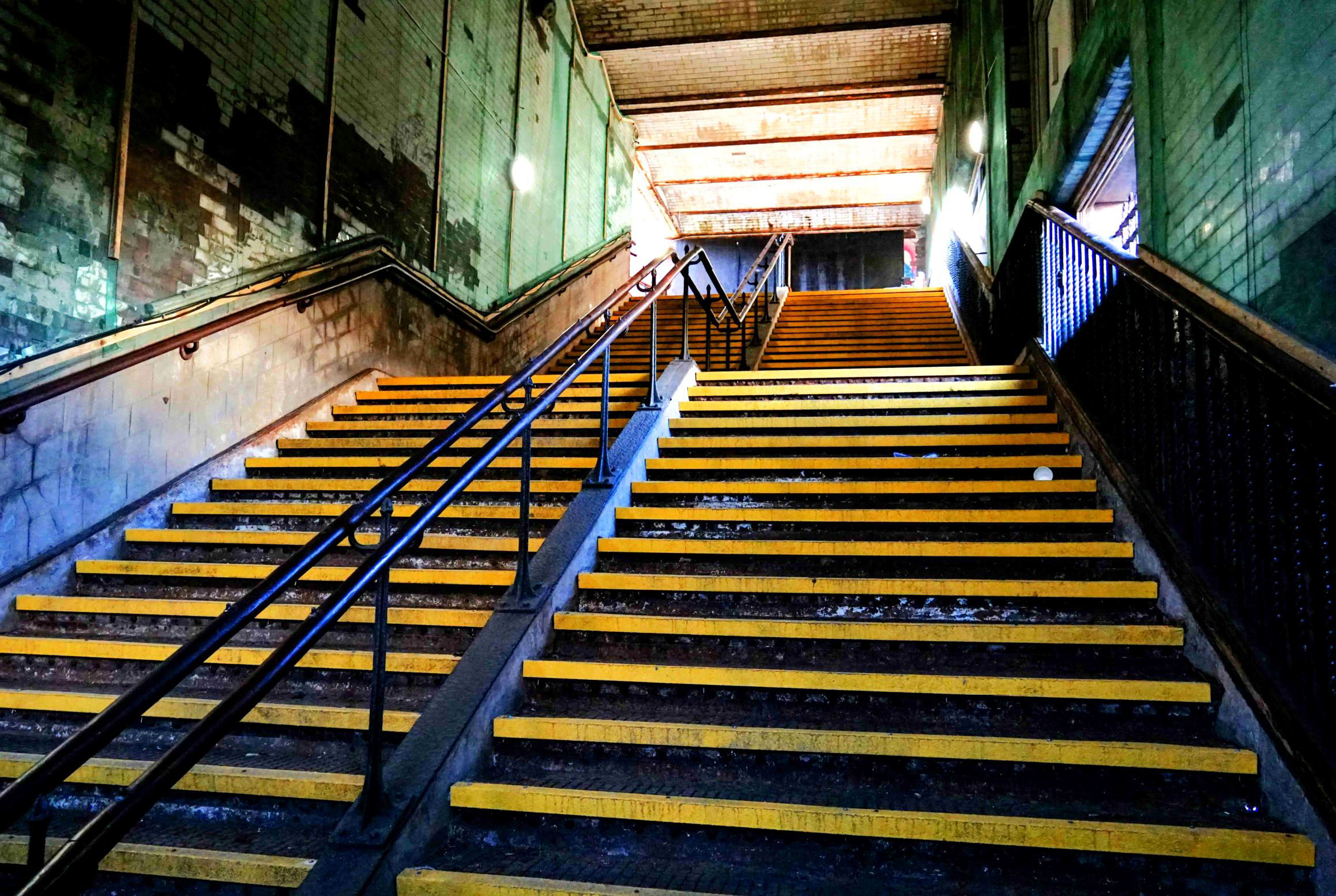
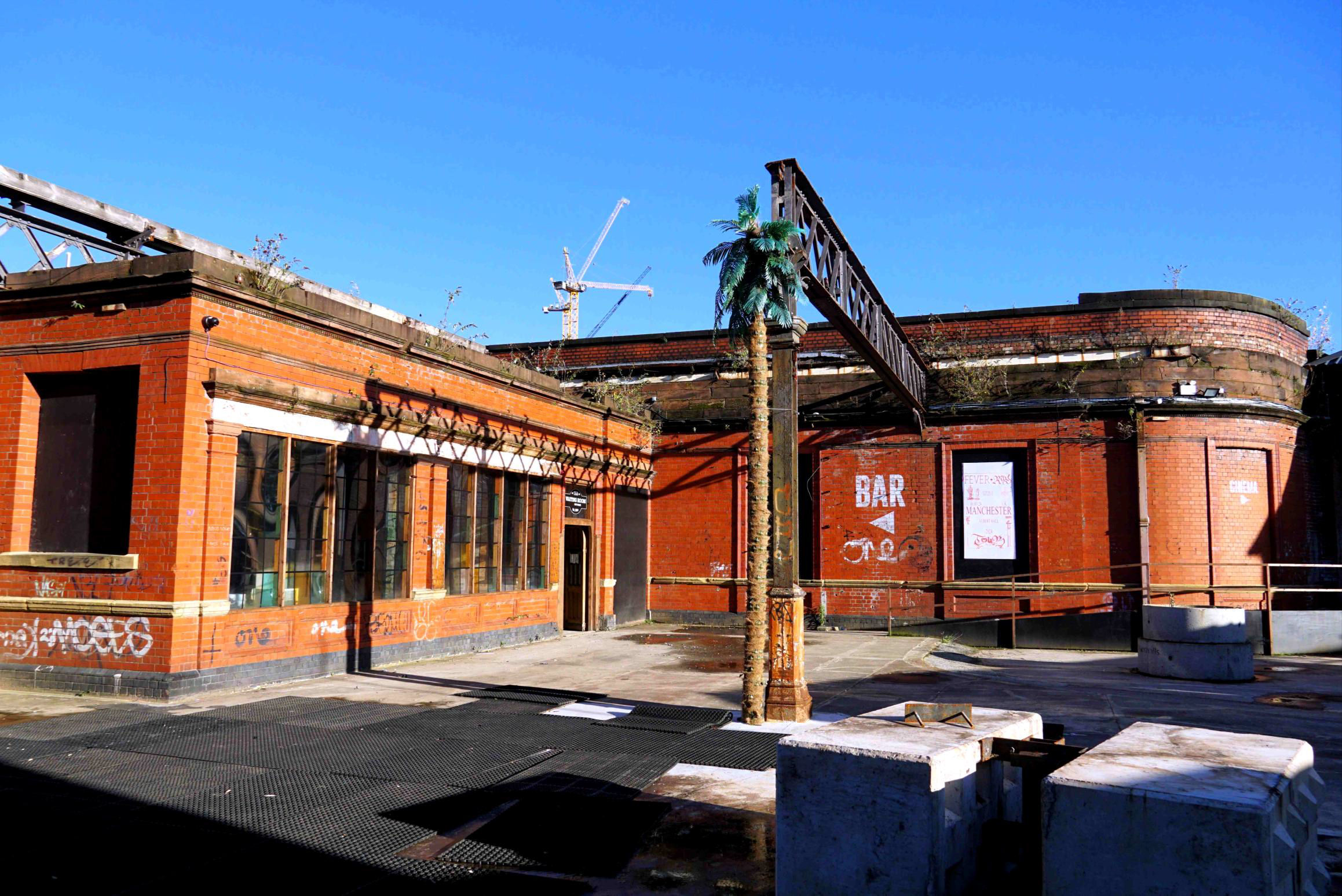
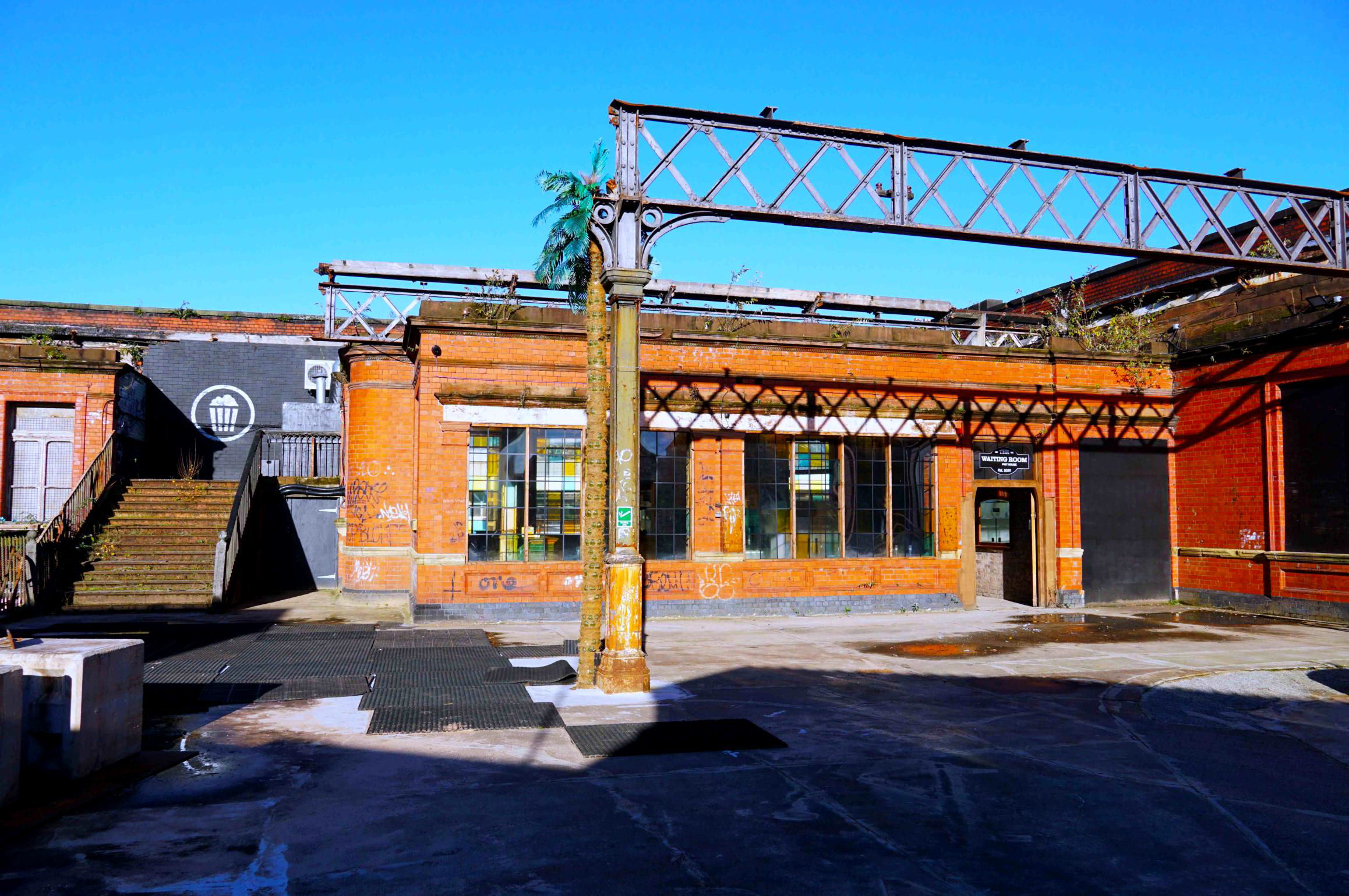
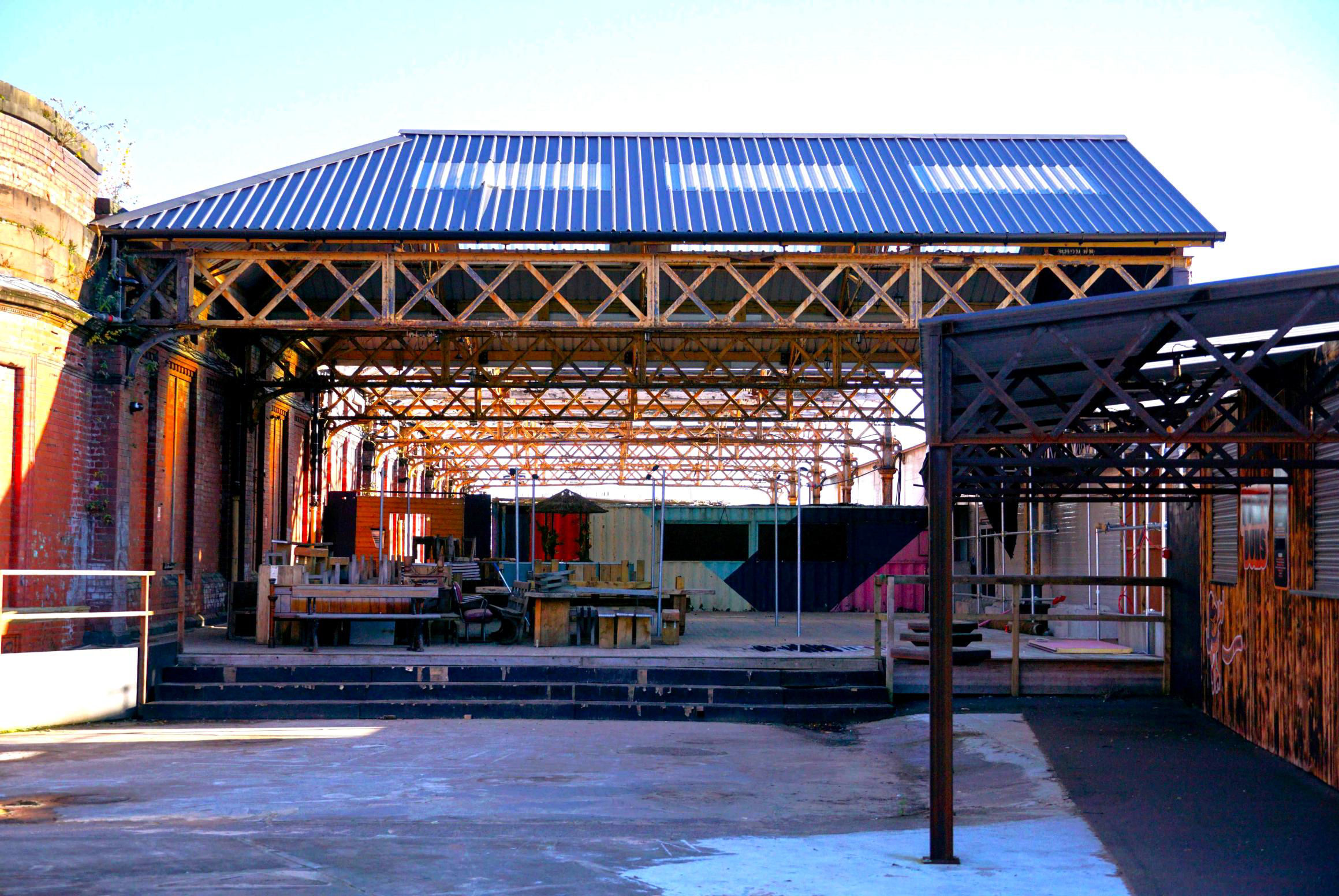
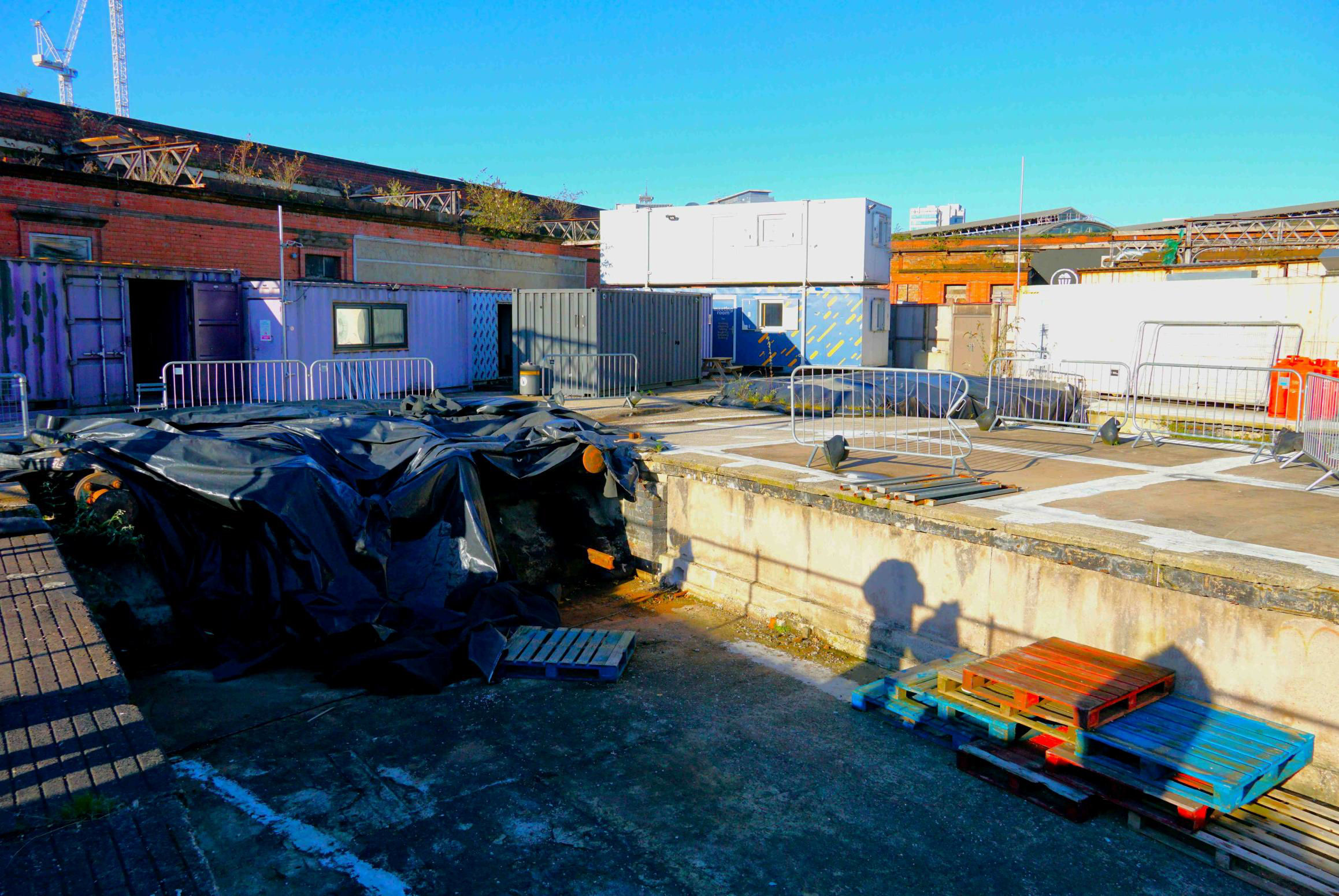
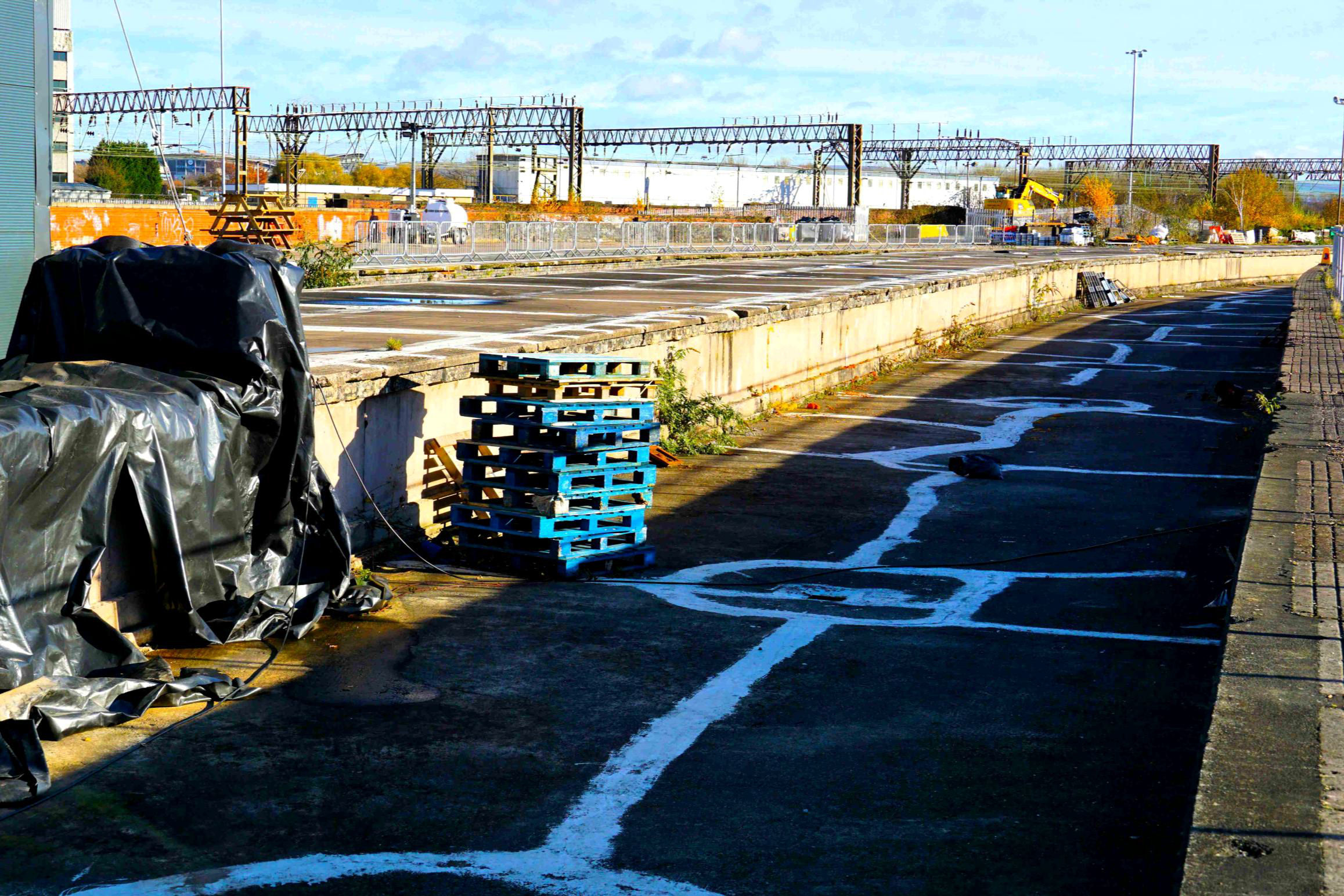
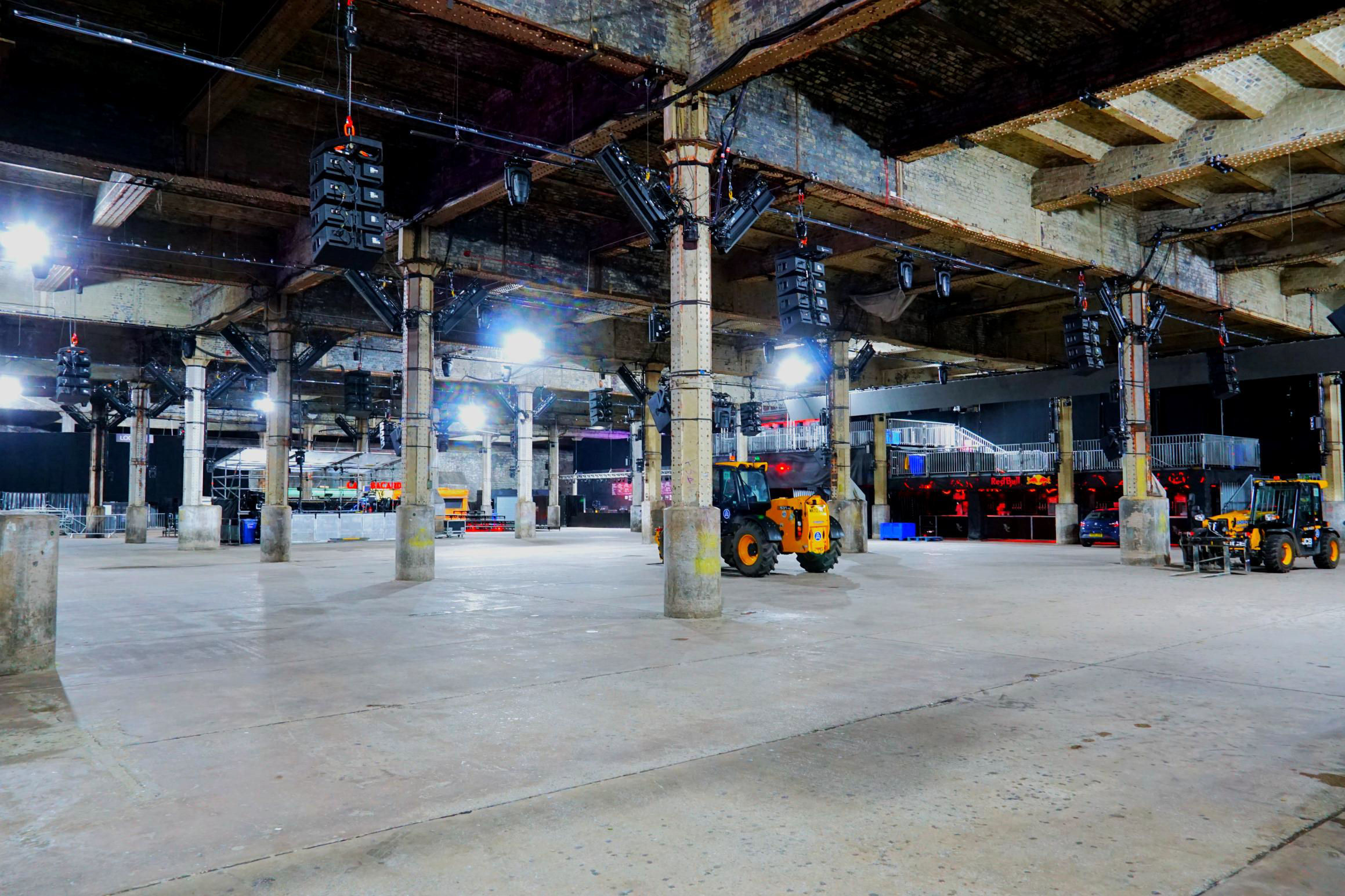
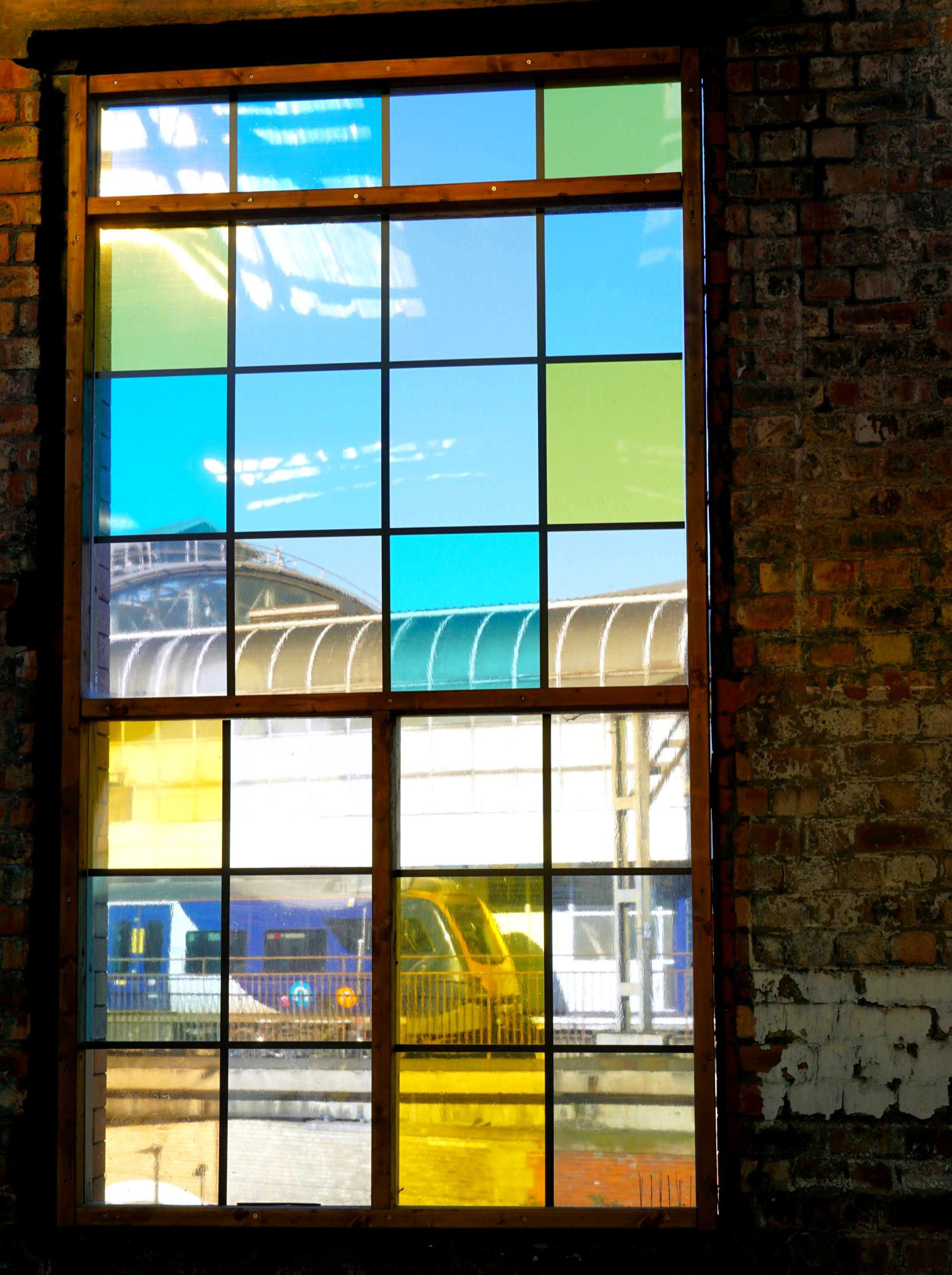
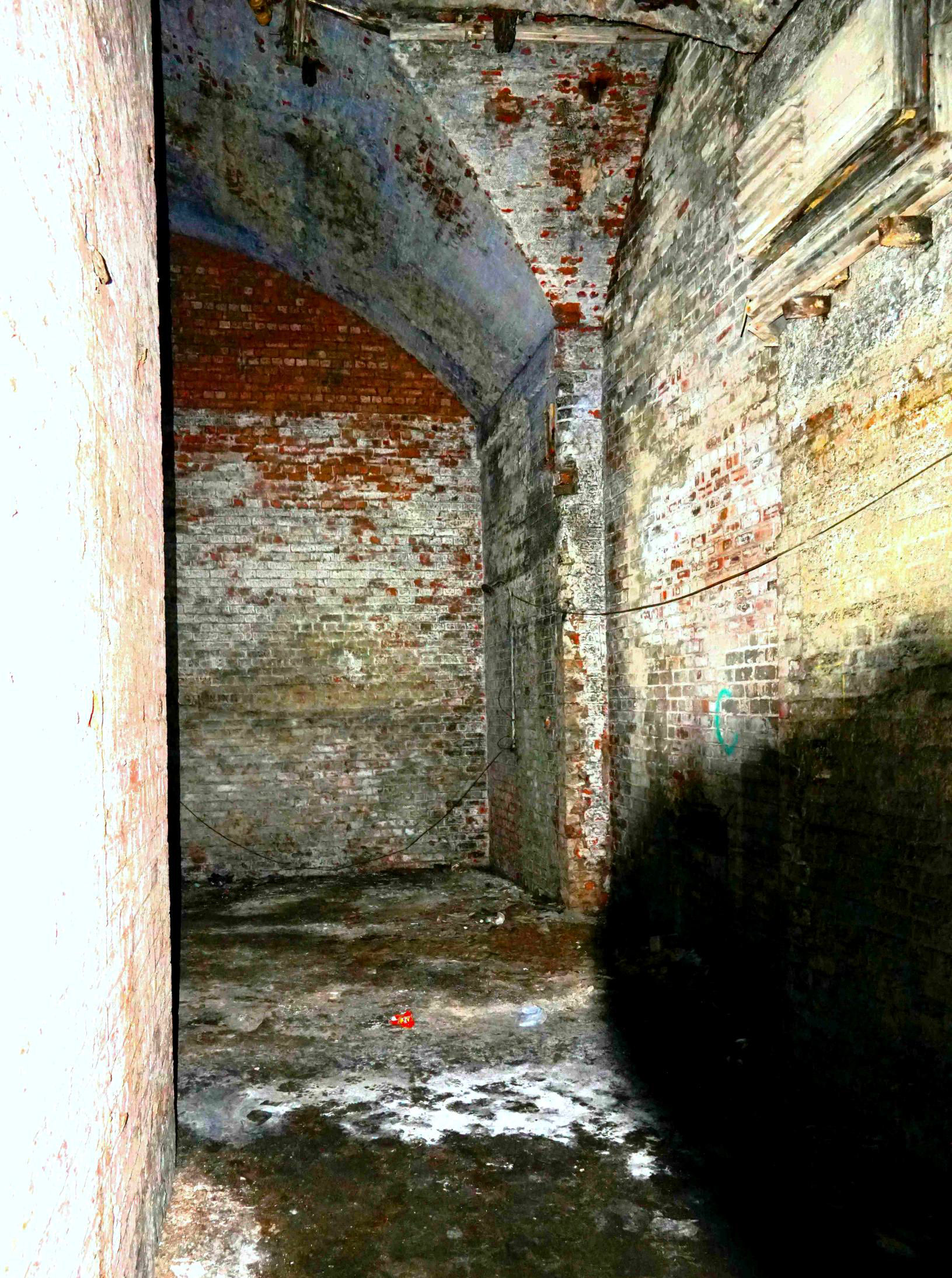
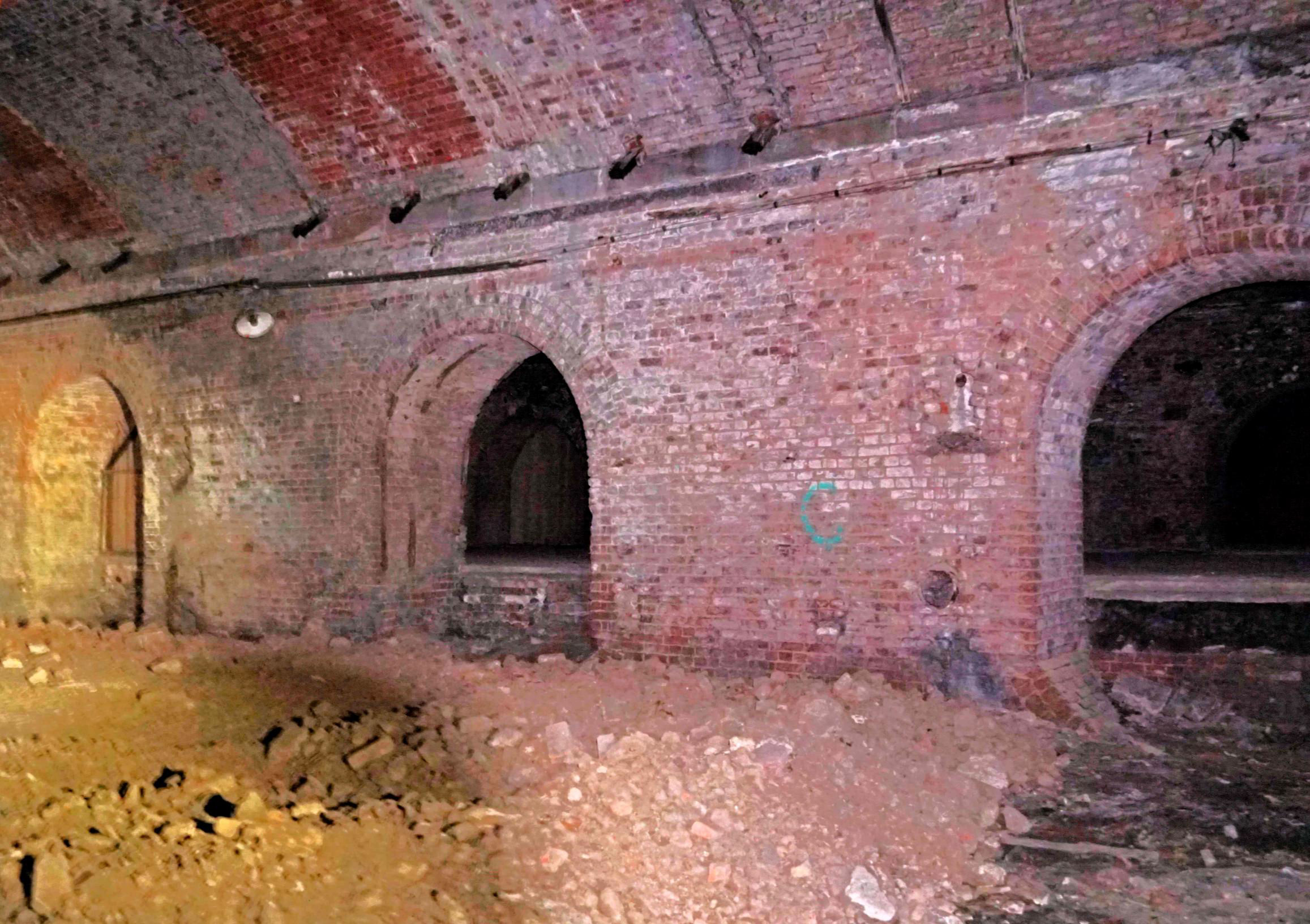
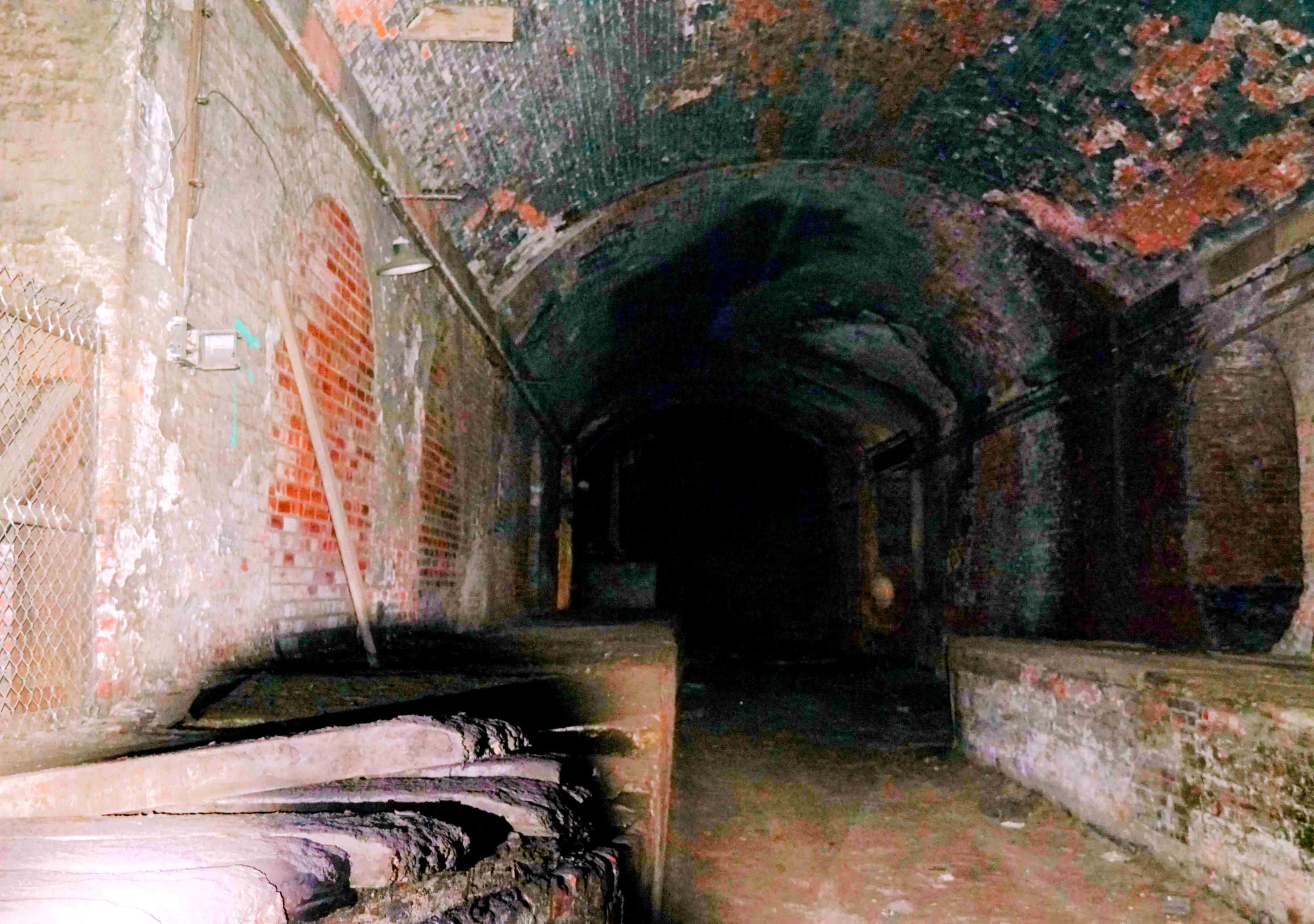
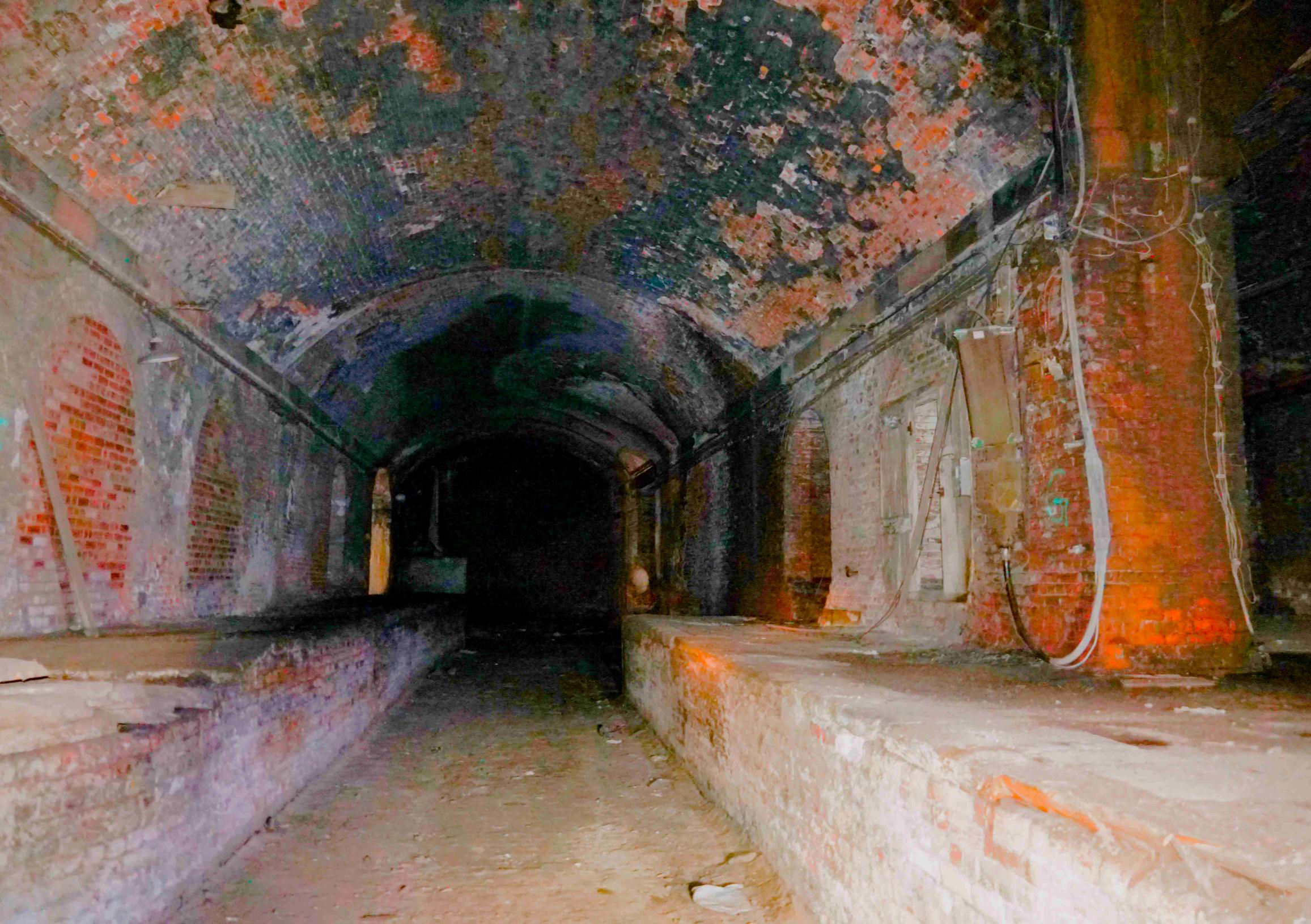
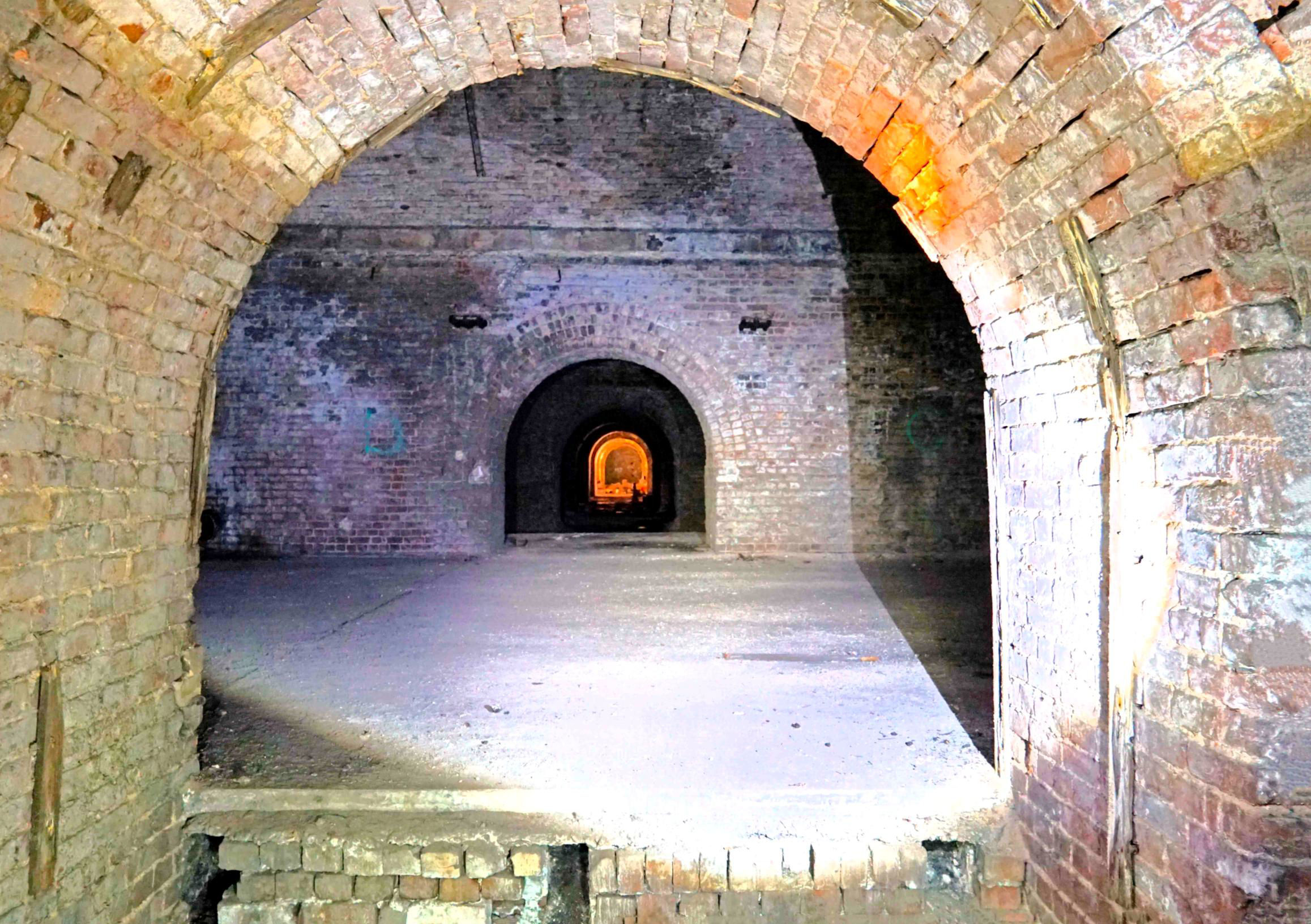
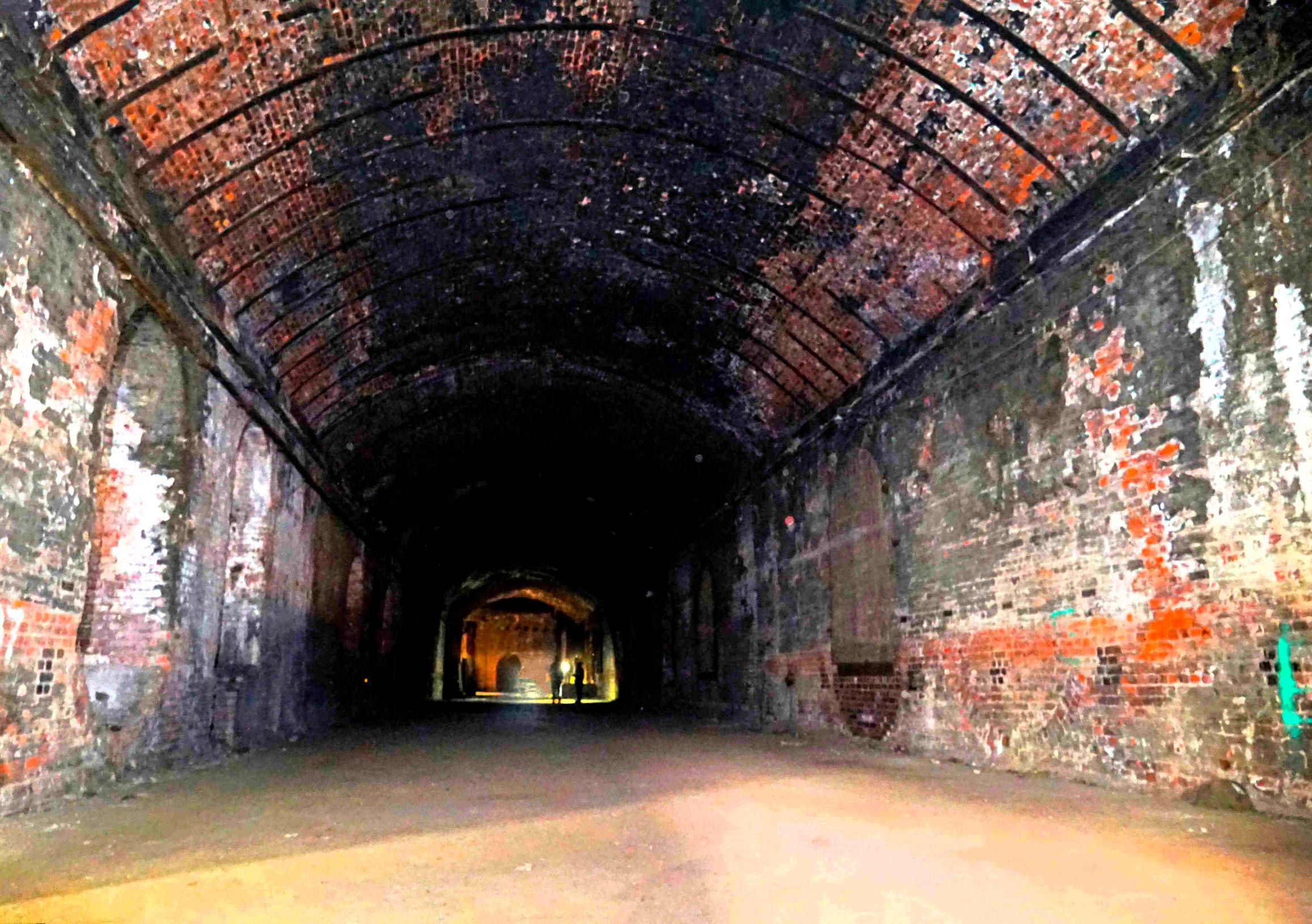
On the day of our tour, all the various entertainment and event locations were visited, along with the former platforms and booking office. From the ground level entrance to Mayfield in Travis Street, stairs ascend up to the remains of the concourse and platforms. A small section of the station roof remains which has been renovated. The hydraulic buffers at the end of the platforms are still in place but only partially visible as they are covered in black tarpaulin. From the elevated platforms, there is a good view of the running lines south of Piccadilly to the east and the new Mayfield Urban Park (to be surrounded by new development) on the west side. The former warehouse and storage area beneath Mayfield has been repurposed as 'Depot Mayfield'. This can hold up to 6,100 people and is used for large concerts and exhibitions. We were then given a fascinating 'on the day surprise' - a tour of the underbelly of Manchester Piccadilly! Our group gained access to the depths beneath the station by an entrance gate on Fairfield Street, beneath the railway overbridge, close to the former direct entrance to P13 & P14 that has now been closed for many years. Once the NR staff had navigated the padlocks and elderly wooden gates, the select few were given freedom to roam in the torchlit darkness.
This vast cavernous space has been empty for decades and disused (it shows). There is no lighting and so capturing such vast areas with a combination of a torch and a camera flash was very challenging for photography!
Further reading - BLN 1289.972 (passenger trains just before closure); http://tinyurl.com/yuzjjd45 (E&OE) has timetables, maps and many photos. BLN 1299.368 (photos e-BLN) is a visit report before Mayfield undercroft was repurposed; BLN 1357.2418 is another tour report. Also 'The Railways of Manchester' by Andy Chard (Platform 5) is recommended by your BLN Editor. If you missed our visit, Jonathan Scholfield offers them (90+ min) and many others in the area: http://tinyurl.com/42jy2f6n
Thanks are due to the following, without whom the two tours would not have been possible: Our member Adam Turner who played a key role in organising it, Al Dickens at Blue2Property and Kyla and her colleagues from Network Rail who facilitated the tour beneath Manchester Piccadilly. The events of 24 Nov raised a donation of £340.00 for local charity MASH (Manchester Action on Street Health).
| Branch Line Society. A Company Limited by Guarantee - Company No 16743754. Registered in England and Wales. Registered address: 6th Floor, Derwent House, 150 Arundel Gate, SHEFFIELD S1 2FN |