Day 5 - The Finale - Tue 28 Jun:
As predicted it was a much cooler morning. After a couple of hours on local tram routes, thanks to a very leisurely 08.48 departure, our congregating on Wrocław Główny P6 (inevitably) was becoming like a familiar gathering of passengers who always 'go up to town' on the same commuter train each morning. For some reason, after being stoically ignored by the station's PIS for four days, this morning we popped up as the 08.48 to Nysa (train CK66217). However, nothing was simple for our CTL (from Chem Trans Logic) Logistics grey liveried SM42 2189 as it tried to run round with a local DMU SA139013 in the way, although the permissive working was amply demonstrated.
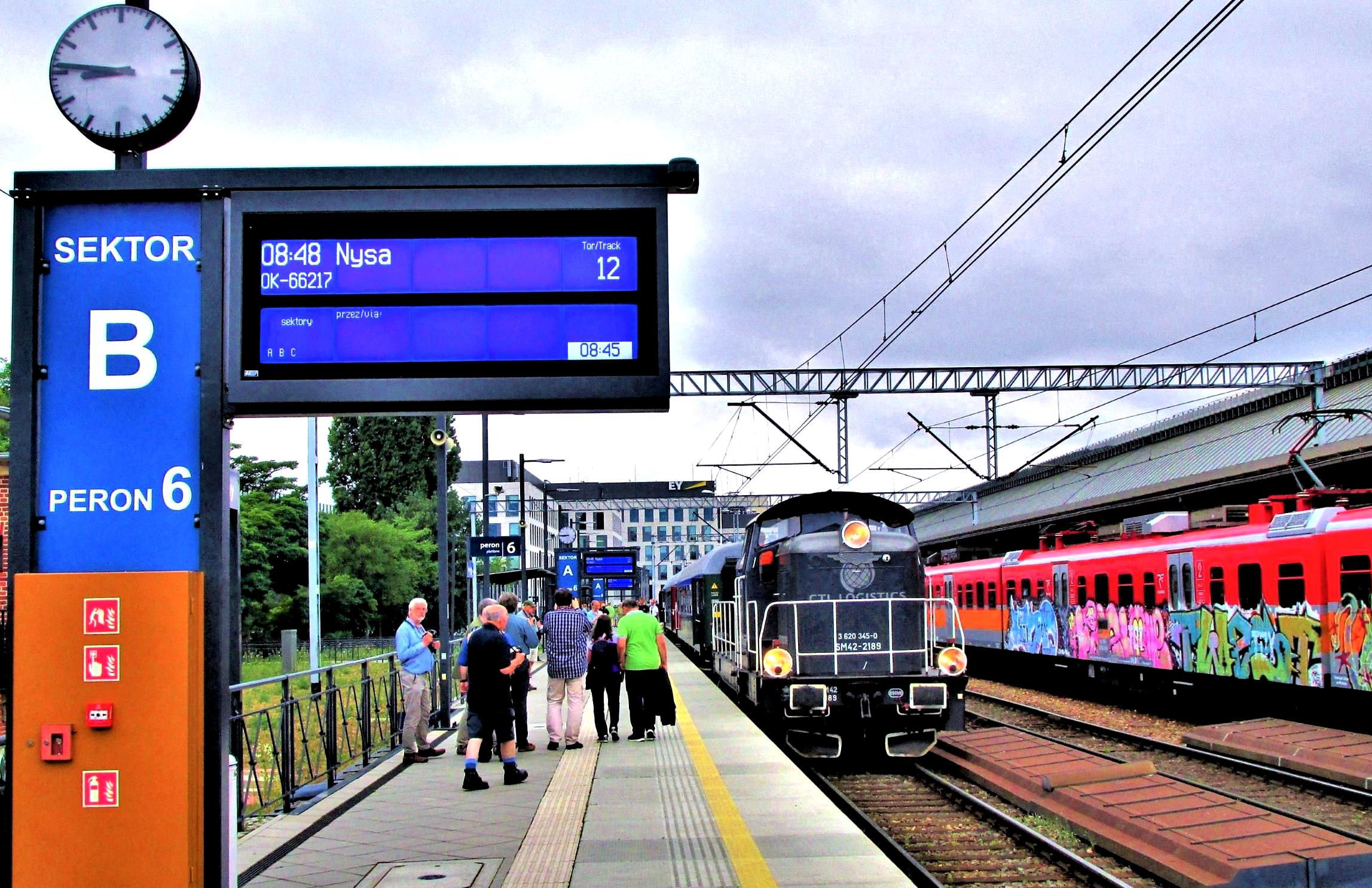
Wrocław Główny P6, the final day, at last our tour is recognised by the Passenger Information System (as the 08.48 to Nysa).
[© Simon Mortimer 2022]Finally, at 08.52, we roared out of the station on our final orbit around Silesia heading for Line 285, diving under the main Wrocław avoiding ring and onto a passenger line - but only since 12 Jun 2022... just 16 days previously! As we bowled along the clearly relaid and beautifully smooth track some of the identical stations were still being finished off; at one two men were laying paving on an access path (passengers just stepped around them). Can you imagine in UK, this would be declared a building site, the public totally excluded and the station unopened; just occasionally, common sense is handy!
The local cart passed us and looked quite well frequented, so perhaps this reopening will be justified. After another photo stop at Sobótka, on approaching Świdnica we had requested the direct curve avoiding Świdnica Miasto (Miasto = Town) and the need to go to Jaworzyna Śląska for reversal and back. However the requested avoiding curve was not yet fully signalled and operational (it will form part of the reconstructed line onwards to Jedlina Zdrój due to open in 2023), so it was onto Jaworzyna Śląska where we reversed. Our tour returned via Świdnica Miasto for a photo stop at Ząbkowice Śląskie where we passed another local DMU SA132002. Then we took the long rural route which has varied between no services, summer weekend all stations (which your reporter had partaken) and now daily Inter City trains. Traversed or not, and in what, we pressed on towards Nysa after more photos at Paczków where our driver made a point of posing in the sun, leaning out of his cab window.
Loitering (with intent to grice) at Nysa, your member noted that the station was decrepit but part of it had a gym with a full sized boxing ring installed; how many stations in the world have a full sized boxing ring? [Knockholt‽] The station was having a full makeover, in typical Polish fashion, so then had fewer facilities than before, but McDonalds had opened just a stone's throw away. Despite having had the fifth iteration of chicken and potatoes earlier (blissfully unaware of the McD option approaching), this still offered a chance for a flurry of McFlurries. In the yard a familiar sight was Freightliner Class 66 66003 [not DBC's UK 66003 moonlighting]. It was new to Poland so has never set a wheel in the UK and looked quite small against its wagons, highlighting the disparity between the UK and Berne gauges. This still bedevils many aspects of UK railway operations - the price for providing the prototype for the rest of the world. On reflection, perhaps the original GWR broad gauge wasn't such a bad idea?
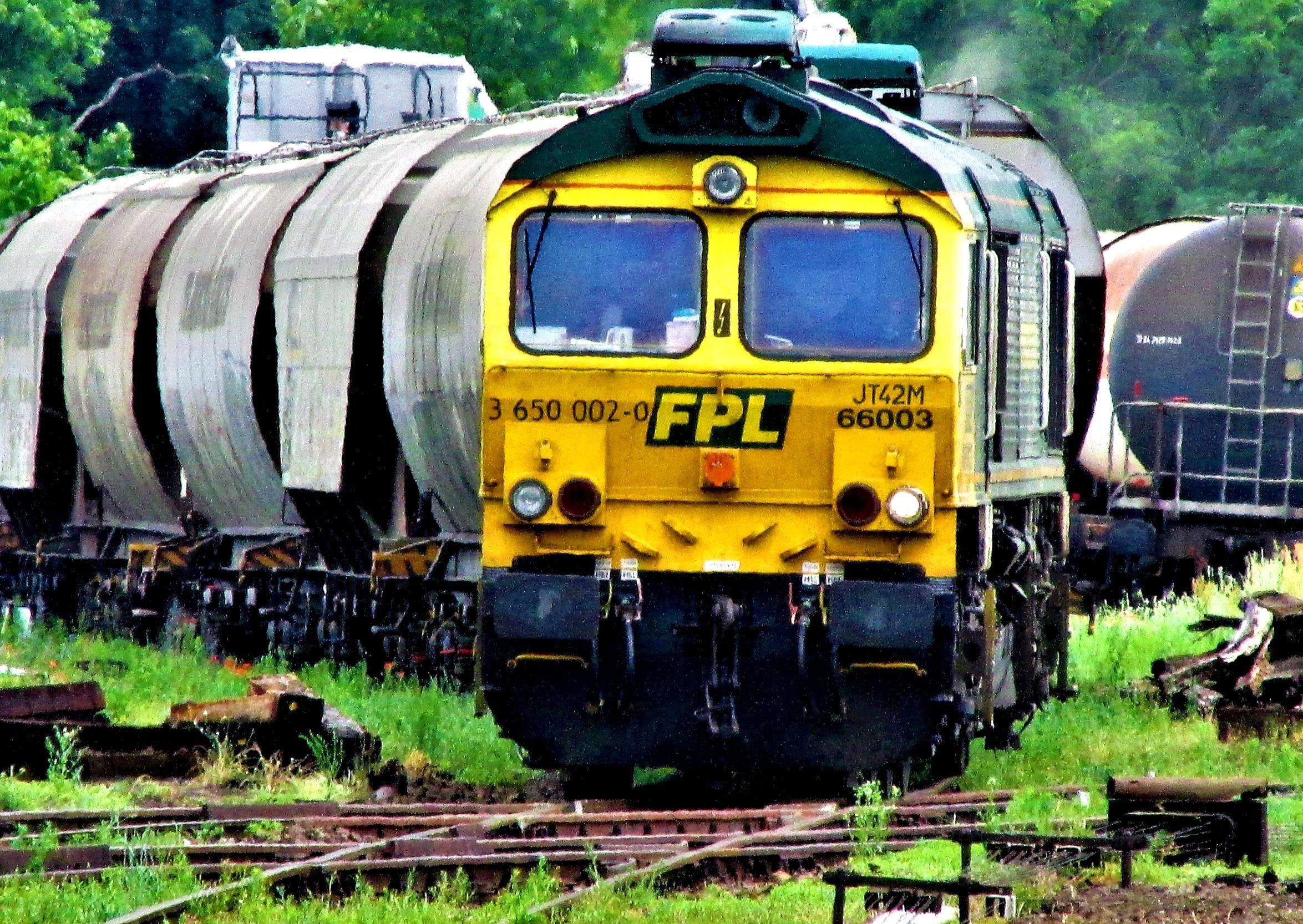
Nysa Yard, Freightliner Poland 66003 is built to UK loading gauge but has never been over here and contrasts with its Berne Gauge wagons.
[© Simon Mortimer 2022]We departed at 14.10 and headed towards the Czech Republic... just not quite close enough for your correspondent who, having reversed at Głuchołazy a long time ago from CD land, still needs the few kilometres from the junction at Nowy Świętów to there as we swept through and onto Prudnik. We ran into the station and initially anticipated veering left onto the branch but there were no tracks!
Then it was realised that the branch is accessed via the adjacent yard and we had passed the points. Prudnik has a very large but apparently abandoned station although it's possible to seek shelter in the cavernous booking hall, even though the doors towards the forecourt seemed to be permanently locked. So, while many of us were out taking photos (including the organiser!), the train started to propel back, then drew forward across the points to the yard road accessing the branch! This was slightly disconcerting at first but, as the train halted, it was realised that we would do the same track on the return (phew!), so we just clambered aboard and headed off, destination Krapkowice (really).
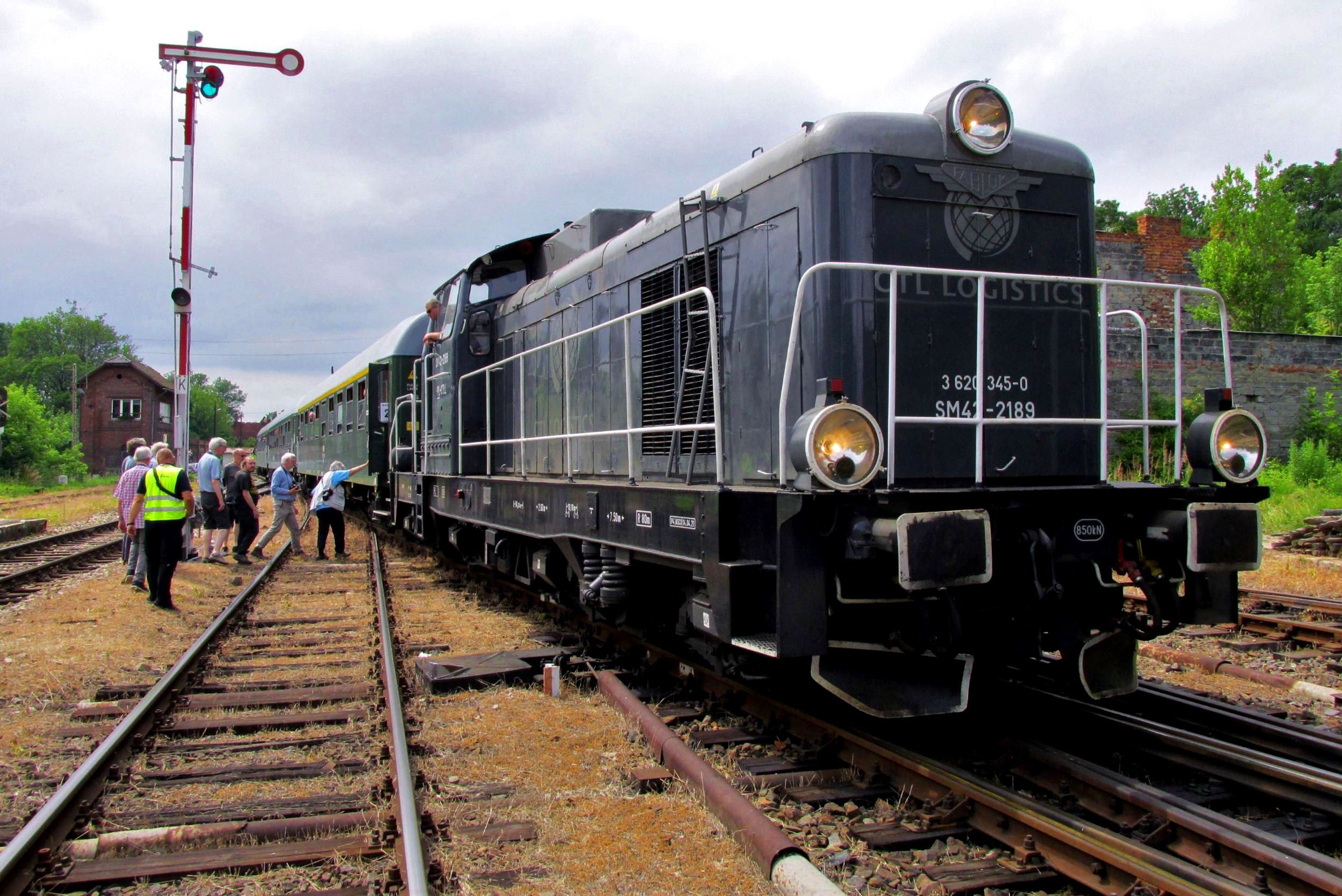
Re-boarding on the junction for the Krapowice branch after the train had propelled back from Prudnik station.
[© Simon Mortimer 2022]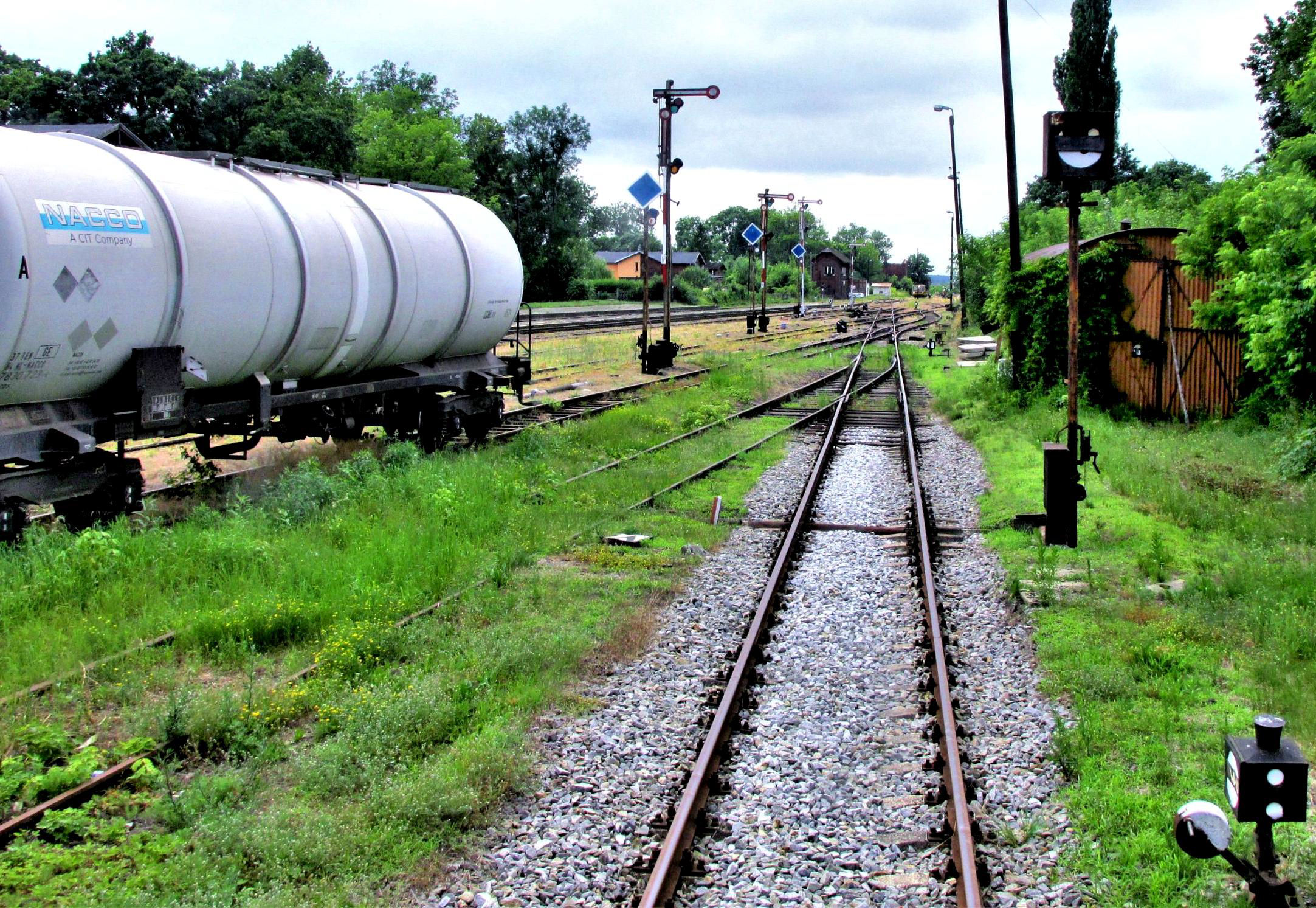
Prudnik, (previous boarding point ahead in the distance) from the rear of train going around the back of the yard heading off to Krapkowice.
[© Simon Mortimer 2022]When it had a through passenger service (to Opole), trains terminated on the line with a footbridge across to the station building but all traces of that and any platform had long gone. The route became a 35km branch overnight in 1997 when the line beyond Krapkowice over the River Odra was taken out by massive floods, affecting a great swathe of this and several nearby countries. Your reporter remembers being in the Czech Republic then, not staying overnight anywhere and having no mobile in those days, being perplexed by the sudden absence of overnight trains for some kippage to Slovakia - it was cut off by the floods! So, this line went from a through route to a branch, with all traffic ending.
Then the Polish Army came to the rescue, as they apparently have a central ammunition depot in the vicinity (exact location on a 'need to know' basis only). It's a bit like that top secret, OS map deleted signposted off the M40 to Kineton Central Ammunition depot back in the UK! So, in 2017 the line was reopened for goods to Krapkowice at the expense of the Polish military who relaid it to an immaculate standard. The countryside here had settled down again to rolling hills and, as we bowled along, our presence on the line clearly caught the attention of some locals. I saw a couple come out at the sound of our passing and stare as we went by. Several closed stations were passed, some being extremely basic halts but then we hardly saw anything bigger than a hamlet. As we approached Krapkowice (German Krappitz), an elaborate town hall tower or such like could be seen before we pulled into the still extant station, much to the surprise of its resident! The woman who lives there was, I think, further surprised when 50 'odd' people [you said it, Simon,] bailed off and crushed down the undergrowth to finally reach her lawn on the old platform for photos. She even had an Alsatian dog that looked as though it might be set on the descending crowd but, in reality, the animal seemed to want to make friends with more people than possibly it had ever seen in its life!
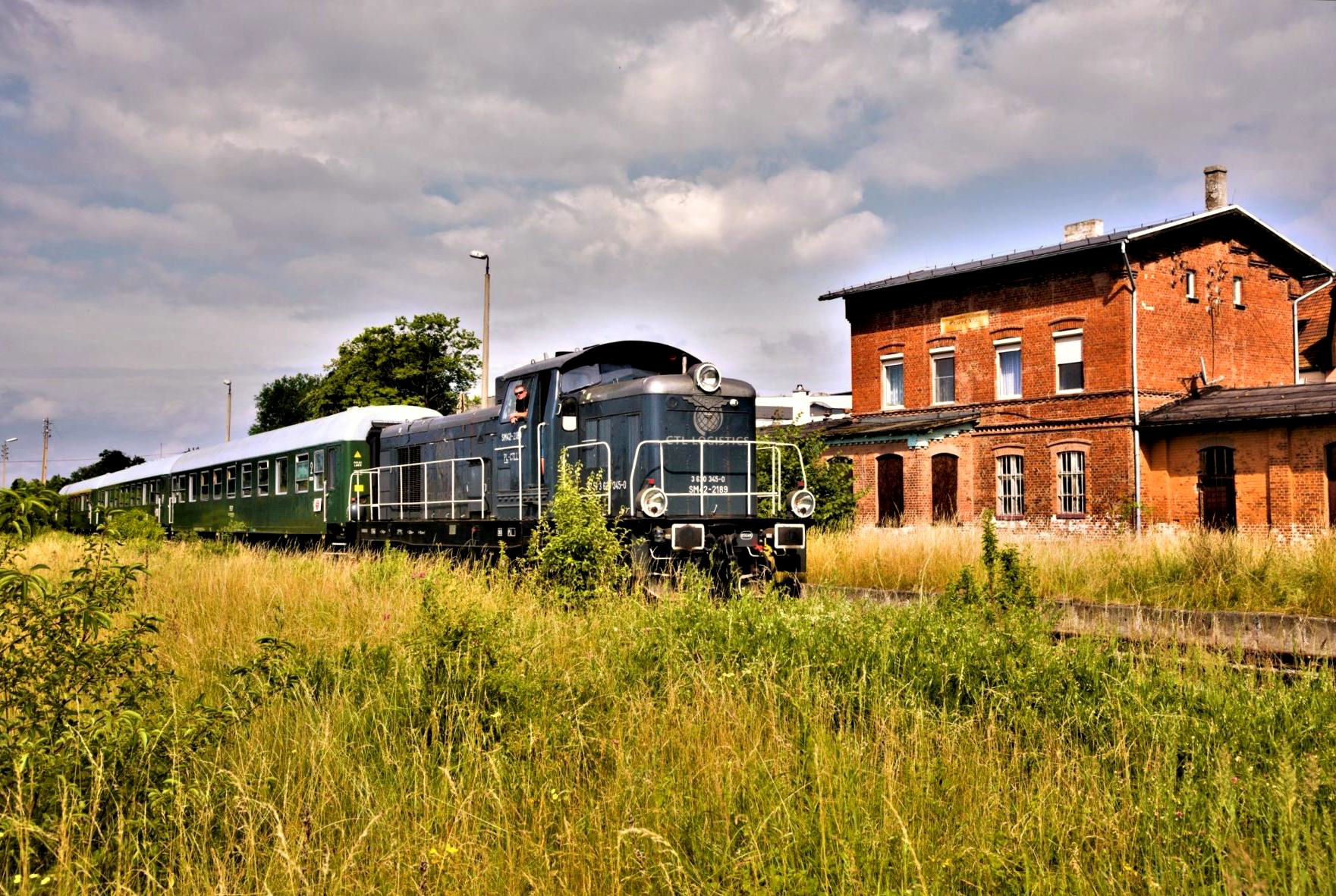
SM42-2189 with the railtour train at Krapkowice.
[© Iain Scotchman 2022]The line clearly continues on from the old station site and there is also a line trailing in before the station probably from that central ammunition depot (but don't tell anyone). The station is engulfed in grass and trees making circling round for photos actually quite a challenge. However, once the SM42 had run round, the organiser managed to persuade them to propel back (for a better photo of course - ahem). So, from just having reached the platform before we ended up well beyond the station buildings, there was probably still a platform somewhere. On investigation the impressive tower we could see from the distance is on the Krappitz Ring (market square), once a centre for leather and paper making but now diminished. The town is famous for the manufacture of a famous brand of durable and fragrance free Polish toilet paper 'Mola' - really! (You couldn't make all this up!)
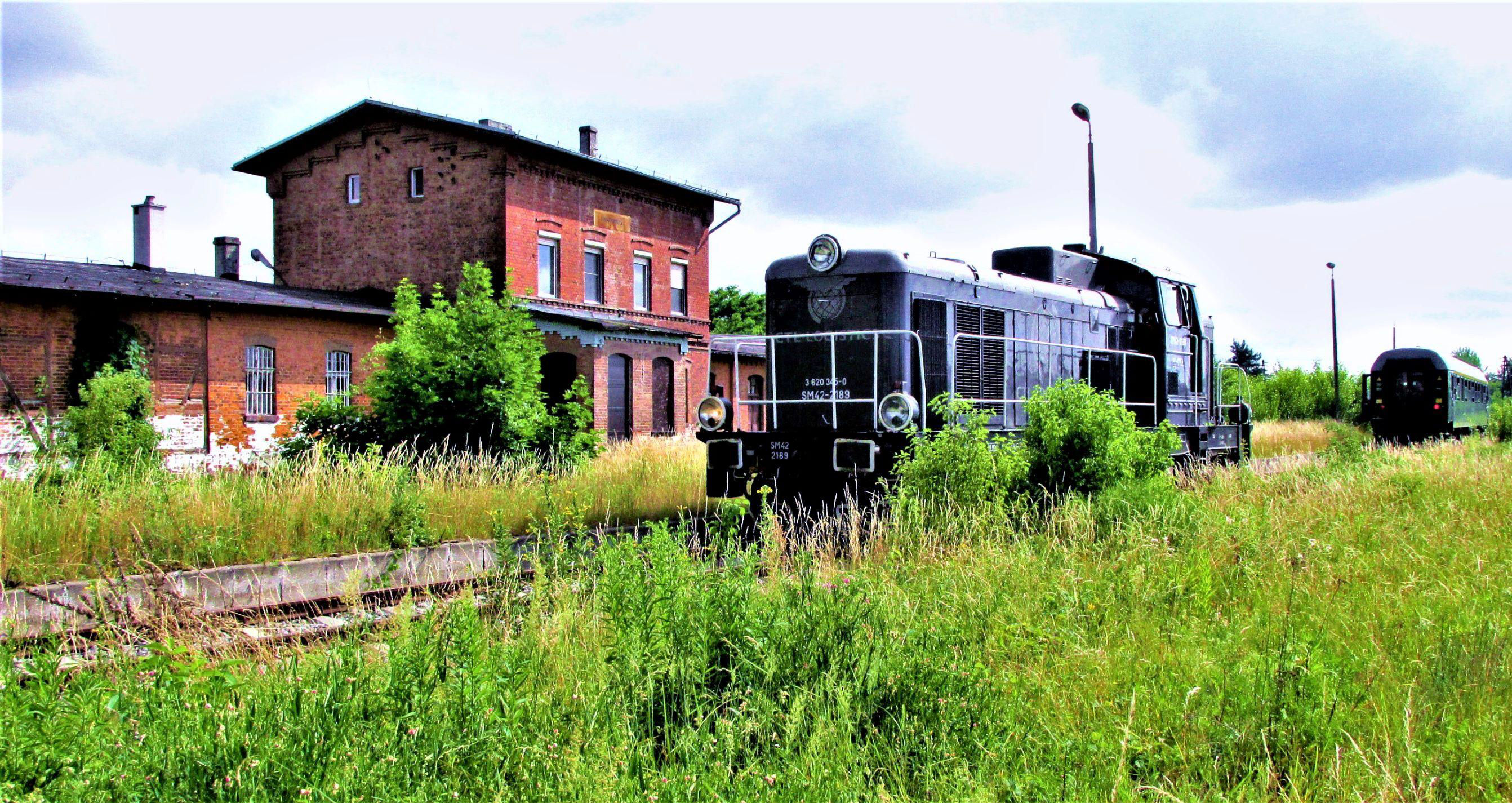
Krapkowice station as SM42 2189 begins to run round stock then afterwards propelled it past this spot beyond station.
[© Simon Mortimer 2022]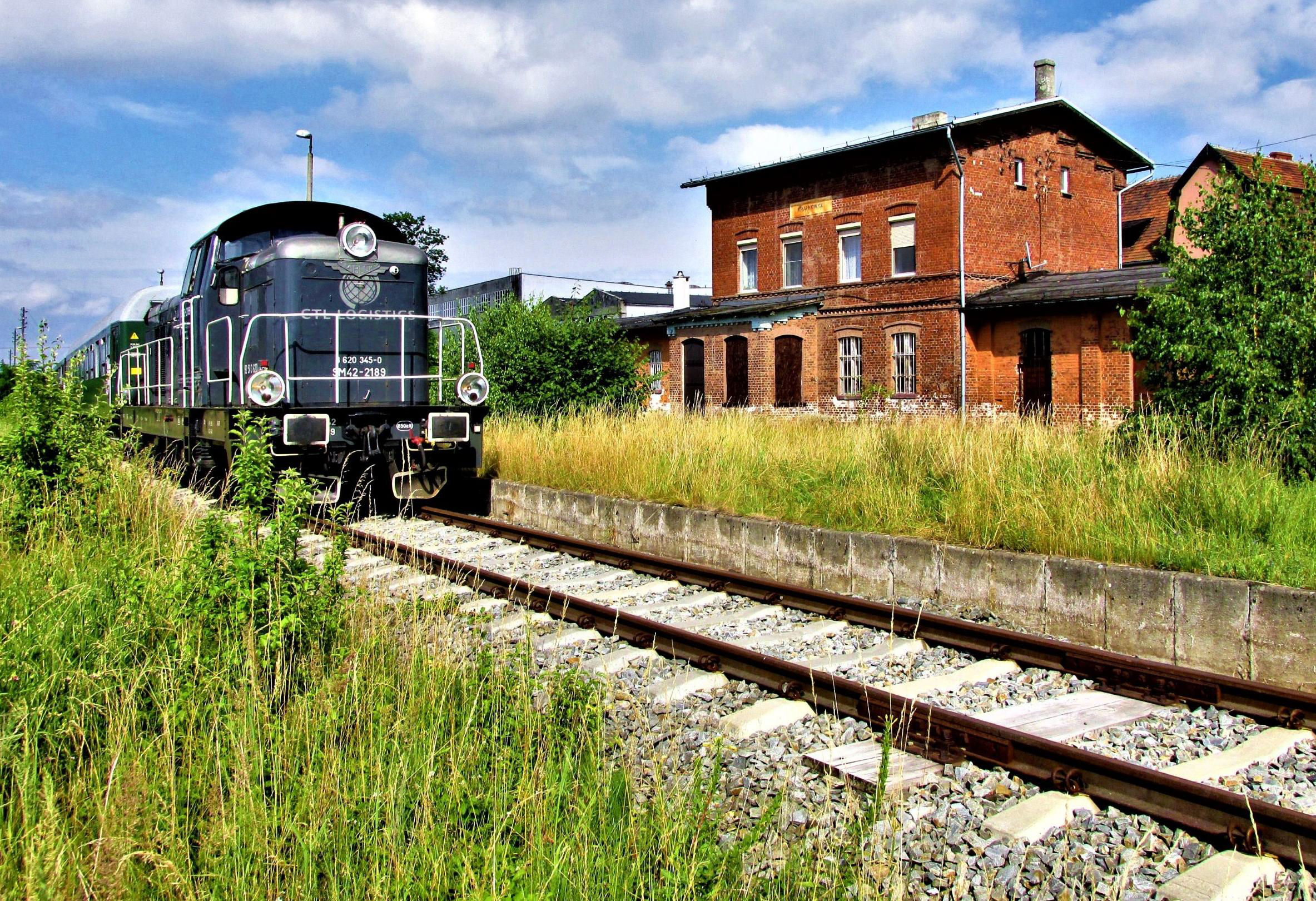
After running round and propelling back level with the station building - well, it was some extra track.
[© Simon Mortimer 2022]We set off back towards Prudnik, this time people were waiting for us with cameras and phones in hand, children waved. Clearly our passage along the line had alerted the locals to our inevitable return and it was something of a special event. As we paralleled a long open stretch of road, one driver in a 4x4 notably slowed with our approach (in his wing mirror) filming us with his phone running, alongside us, creating a queue of vehicles behind him. Watching this display of driving by knees, the local place name signs were actually noted to be bilingual, Polish and German. Patryk, our head Turkol* man (and also in the buffet car), explained that in the Polish local assembly at Opole an MP (Ryszard Galla) was elected and had established by census that the local German (or half German) minority made up over 40% in a certain area and invoked a law which then says signs need to be bilingual.
There is another minority in Pomerania (Kartuzy way) the Kashubians who similarly have bilingual signs but these often only vary by one letter. [*Turkol (Turystyka Kolejowa)
https://turkol.pl/ is a small but very active organisation that operate trains for enthusiasts and 'normals' all over Poland.]
We duly gained our vital overlap at Prudnik but unexpectedly reversed back towards the station again before departing towards Nysa. Allegedly a direct move on and off the branch is not permitted by the signalling. From Nysa it was via passenger Line 246 to the main line at Brzeg; where there was an essentially short gathering on the platform (or else we would miss our path) to thank our member Iain Scotchman for his extensive and unrelenting efforts in the arrangement of this tour and our tour locomotive driver. By extension we duly acknowledge Iain's aides such as Ian Hutton for considerable support in itinerary development, on the tour itself and the extensive tour itinerary notes; these things don't just appear! There was then nothing more than the thrash back up the main to Wrocław including the obligatory rounding of Brochów Yard on Lines 349 & 763 to our regular P6. THE END!
Except to say well done to and more power to the elbow of the organisers for this; hopefully some more of the like in the future - heat wave optional! It is worth mentioning that for many, this was the centrepiece of longer trips taking in more of the fascinating Polish rail network and indeed further afield. These types of tour are both highly worthwhile in themselves as well as offering the individual a chance to expand their horizons even more. [Simon Mortimer 29 Jul 2022 with thanks for essential editorial contributions to Iain Scotchman - including for e-BLN photos - Ian Hutton and Peter Green.]
Postscript (by Ian Hutton): The submitted plan included all connections on/off the western freight ring but, as explained in the itinerary, many were refused as they were not considered up to passenger standards. It is appreciated that our BLS type of tour takes considerable time and effort to timetable and this was an exceedingly complicated request. Each PKP (Polskie Koleje Państwowe - Polish State Railways) response could delete (or even re-include parts of the route previously deleted) with no detailed explanation. It was very frustrating trying to understand the reasoning behind some of the changes, or what happened on the day. For example, the duplication around Wrocław adding in a reversal where an omitted freight curve was direct, Wrocław Kuzniki, Kędzierzyn-Koźle goods lines, the Sunday evening double visit to Siechnice, W-Świebodzki, Prudnik etc. However, train crew hours are relevant as they had extra tasks to perform, before and after our tour day, so all things considered not much more than what was done could have been squeezed in to the quite long days anyway, especially in the Wrocław area which would have required some extra run rounds and reversals
Hopefully lessons have been learned on all sides, especially on information flow, as I think participants all knew our Organiser tried to tweak the 'final' schedule back towards the original request. Opole P1a was the outstanding success but it was almost impossible to vary from the official PKP published plan. What we did differed significantly from an earlier version when Siechnice was said to be inaccessible due to engineering work - a major reversing point challenge. The odd Sunday night shuffling did get us to Zórowina to do freight Line 765, a requested route that had disappeared from an earlier response!
Finally, and perfectly illustrating our organiser's frustration, guess what happened during our visit as advised by a participant who only travelled on part of the Monday tour? Due to a heat related track problem at Wrocław Muchabor, all services to/from Głogów via Wrocław Kuźniki for at least that afternoon and evening were diverted through Wrocław Gądów Yard. They also did the grade separated splits of Line 349 to/from podg Wrocław Grabiszyn according to PKP's Journey Planner map view - two of the connections refused for the tour. Additionally the westbound variant has one train a day booked to use it until 3 Sep IC3805, 17.19 from Wrocław Główny to Szczecin … aargh …!
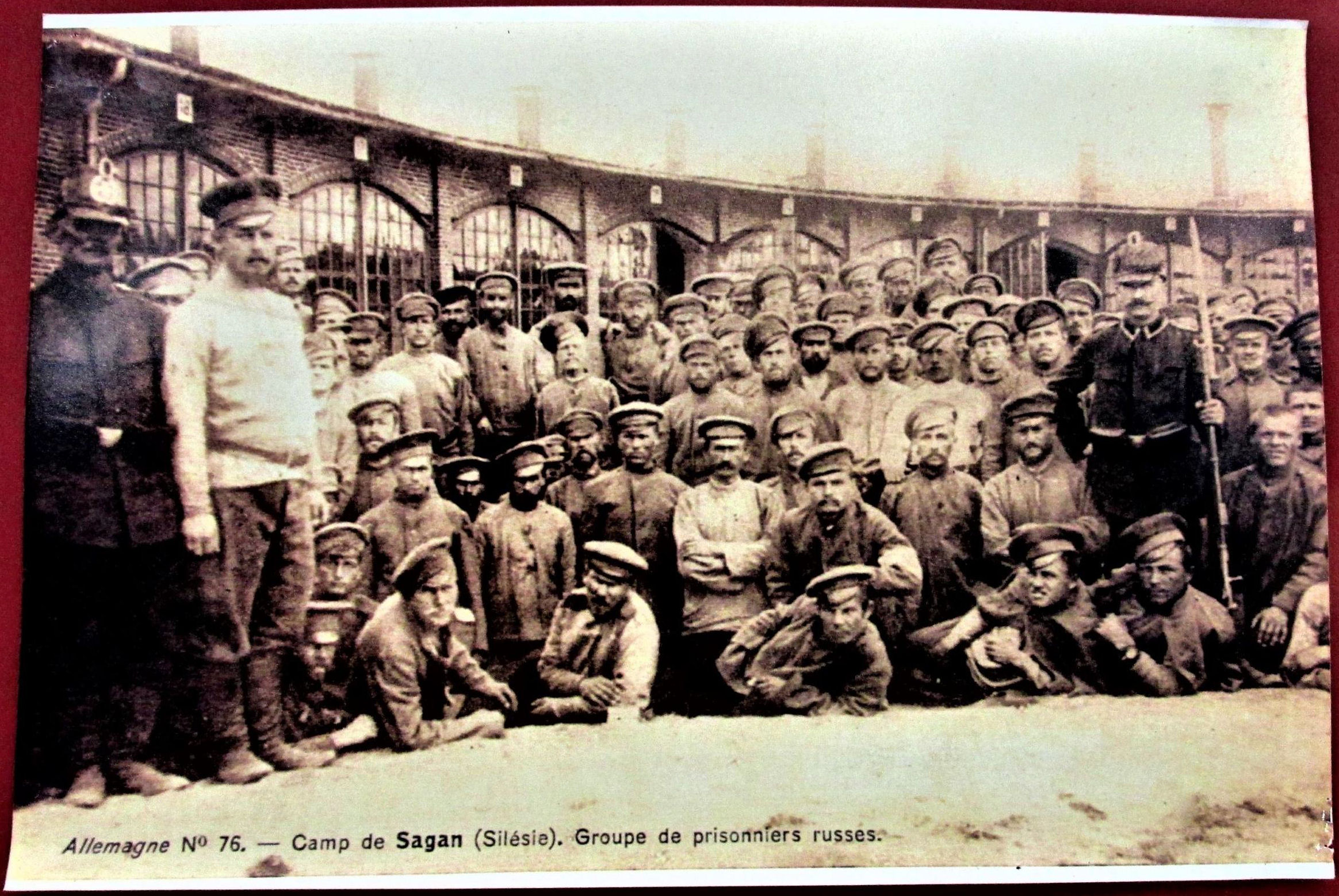
Back to Day 2, from Żagań Railway Museum, WWI Russian prisoners apparently working at the railway roundhouse in Sagan (German name).
[© Simon Mortimer 2022]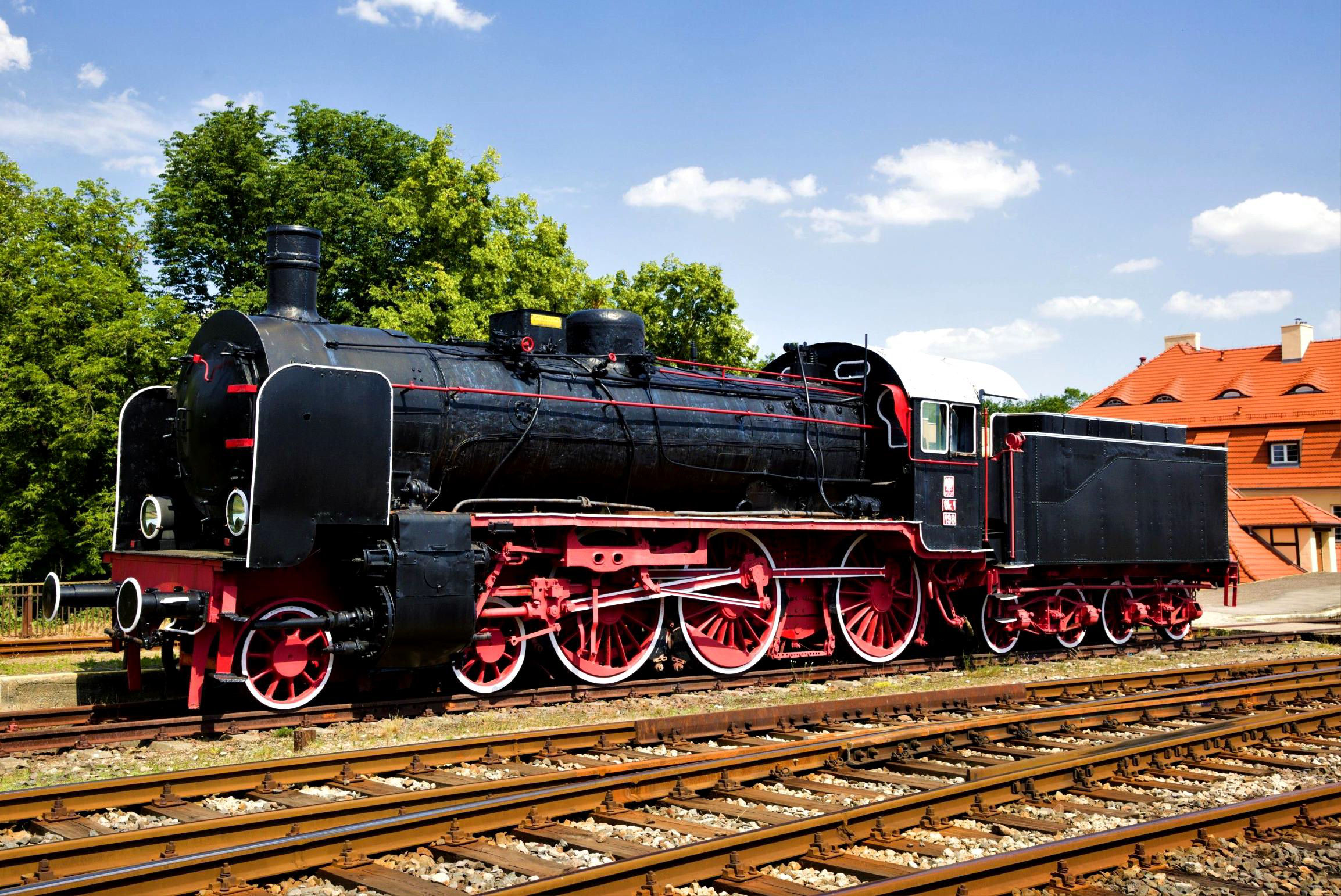
Talking of Żagań, a collection for the crew on Day 5 raised 1,202.34 Polish Zloty which they donated to the Railway Museum there.
[© Iain Scotchman 2022]