Ironbridge, Revolution Very Light Rail (RVLR)
Thursday 18th November 2021
Report by Stephen Phillips
The Branch Line Society (Test)
Guest

Attending the second (of three) AGM visits this day, after checking in at Ironbridge Power Station site gatehouse, we parked near to the reception building provided by RVLR where tea/coffee, cake and fruit (but not fruitcake) was kindly provided by our hosts. RVLR is a lightweight railcar promoted by Eversholt Rail and others. They have secured use of part of the former power station sidings as a demonstration and test line for their prototype railcar in this secure area, much of which is being redeveloped following closure and demolition (continuing, but there was little left) of the power station. Some took a wrong turning and ended up by four large circular piles of red rubble, the remains of the four cooling towers!
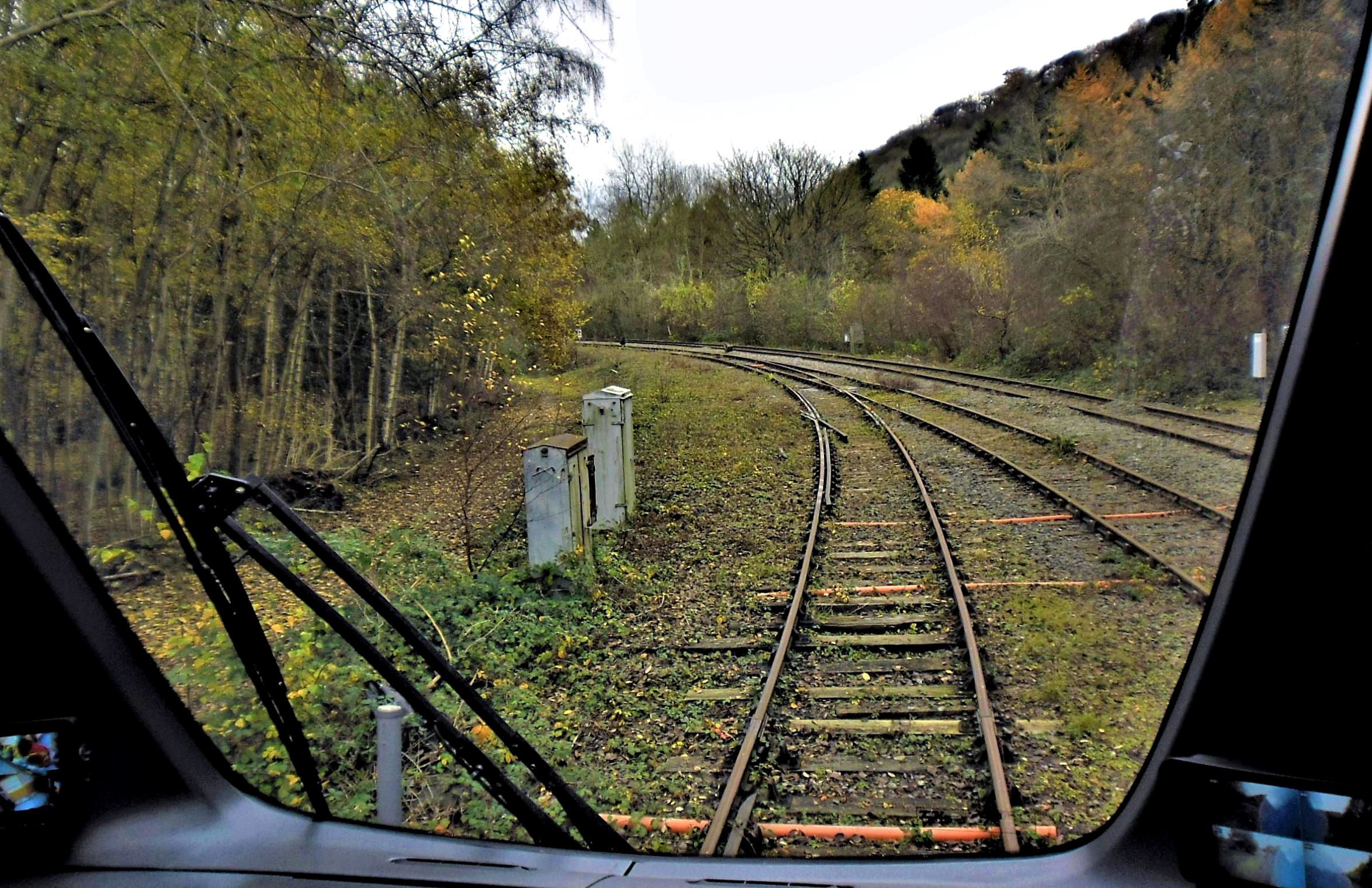
The former Oil Siding and the east end of No1 Reception (TRACKmaps 4 p22C 2018) of the former three and four track layout have been cleared and brought up to an appropriate standard for this project. Much out of use signalling equipment by the lines indicated what a busy site this once was - two Merry-go-round Coal Trains could unload at the same time. This area beyond the NR boundary (160m 29ch to 160m 61ch) was controlled by the Power Station Control Room. Working for British Rail in the 1970s the author made contact [thank you, Stephen!] with the most helpful local Wellington Area Manager who facilitated various brakevan trips. They accommodated a good number of our members on the very occasional freight trains to take bridge girders out of the Horsehay works (or to bring in the special large bogie wagons), reversing at Lightmoor Jn on the steeply graded branch from Ironbridge to Madeley Jn. This, in turn, enabled some of us to travel on the power station coal trains - no brakevans, so in Class 47s cabs and you had to go to the end of line to run round, like it or not.
The branch from the power station up to Lightmoor Jn was double track at that time, then single to Madeley Jn, and at that time some coal trains reversed at a run-round retained at Stafford Road Jn in Wolverhampton, beyond which the line to Low Level station was severed. Later the Oxley Chord from Oxley Jn to Bushbury Jn was put in creating a direct curve and thus eliminating the reversal.
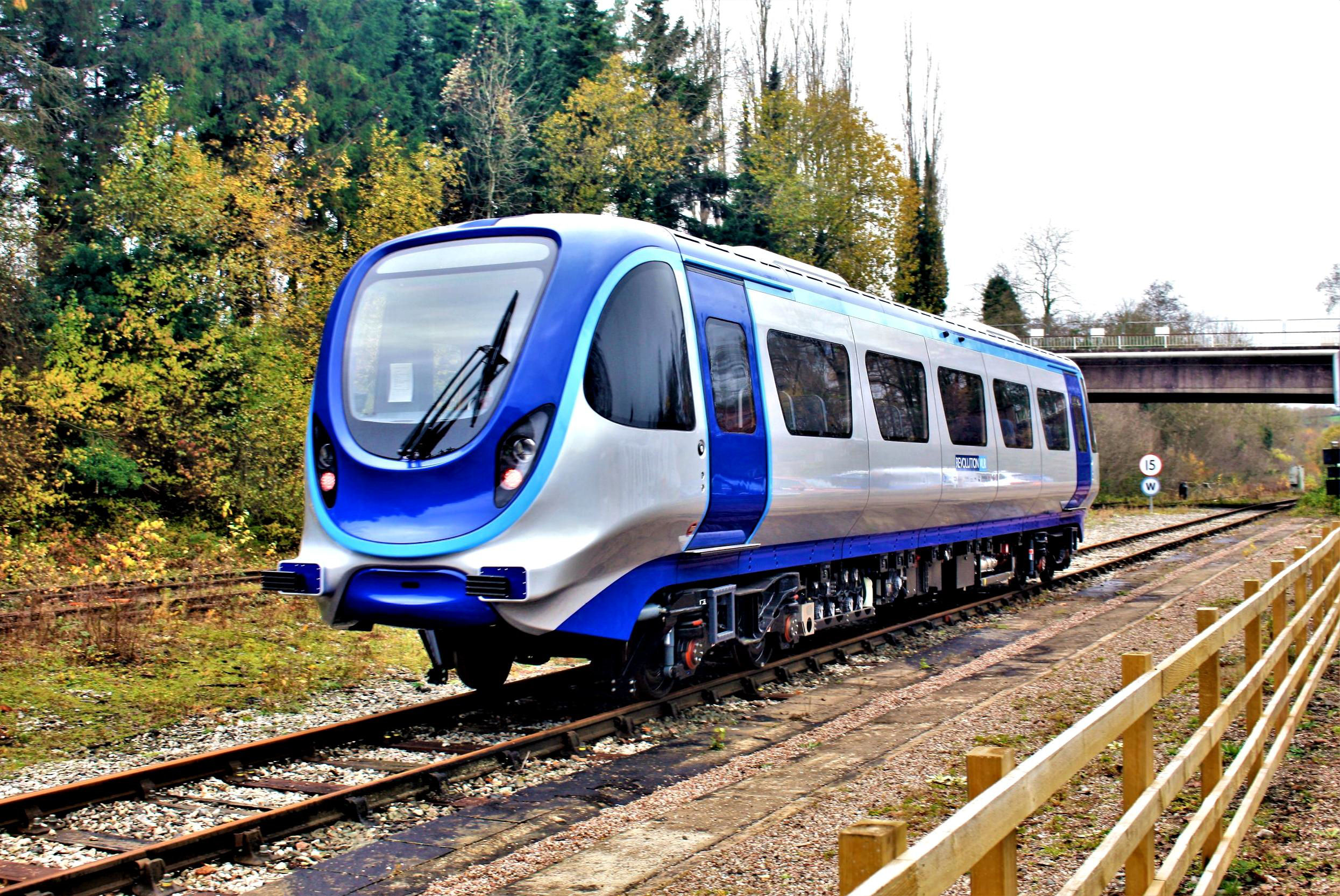
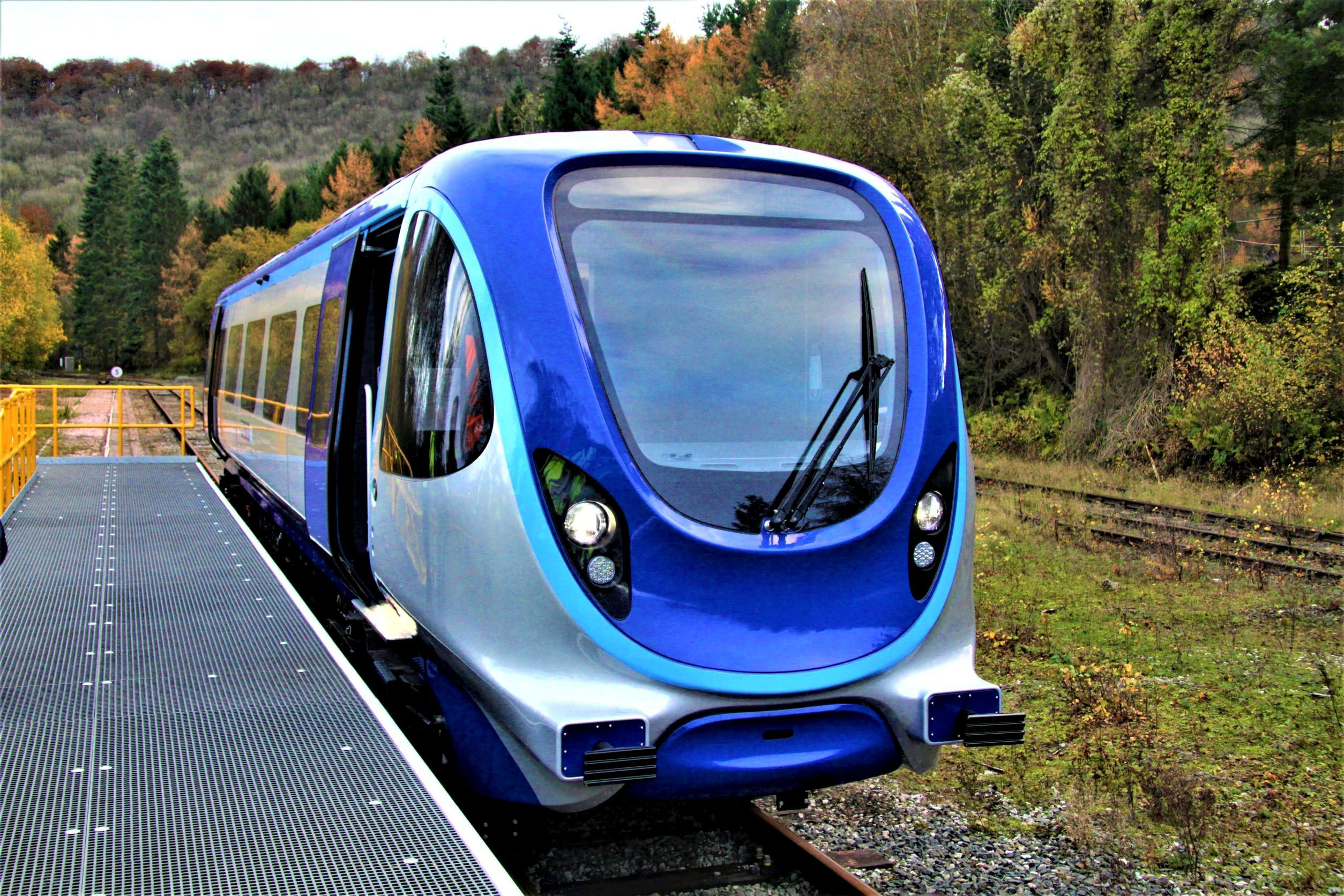
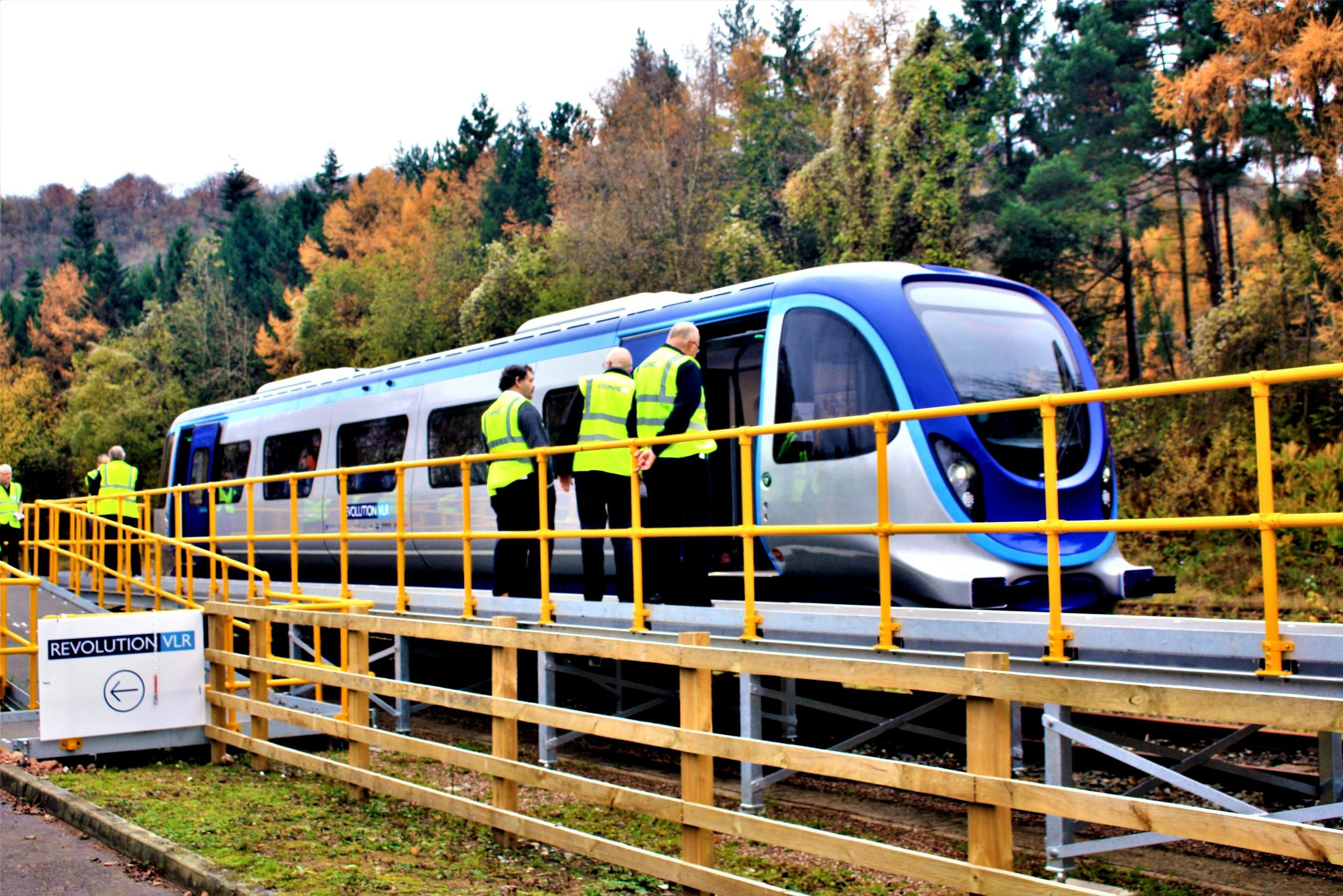
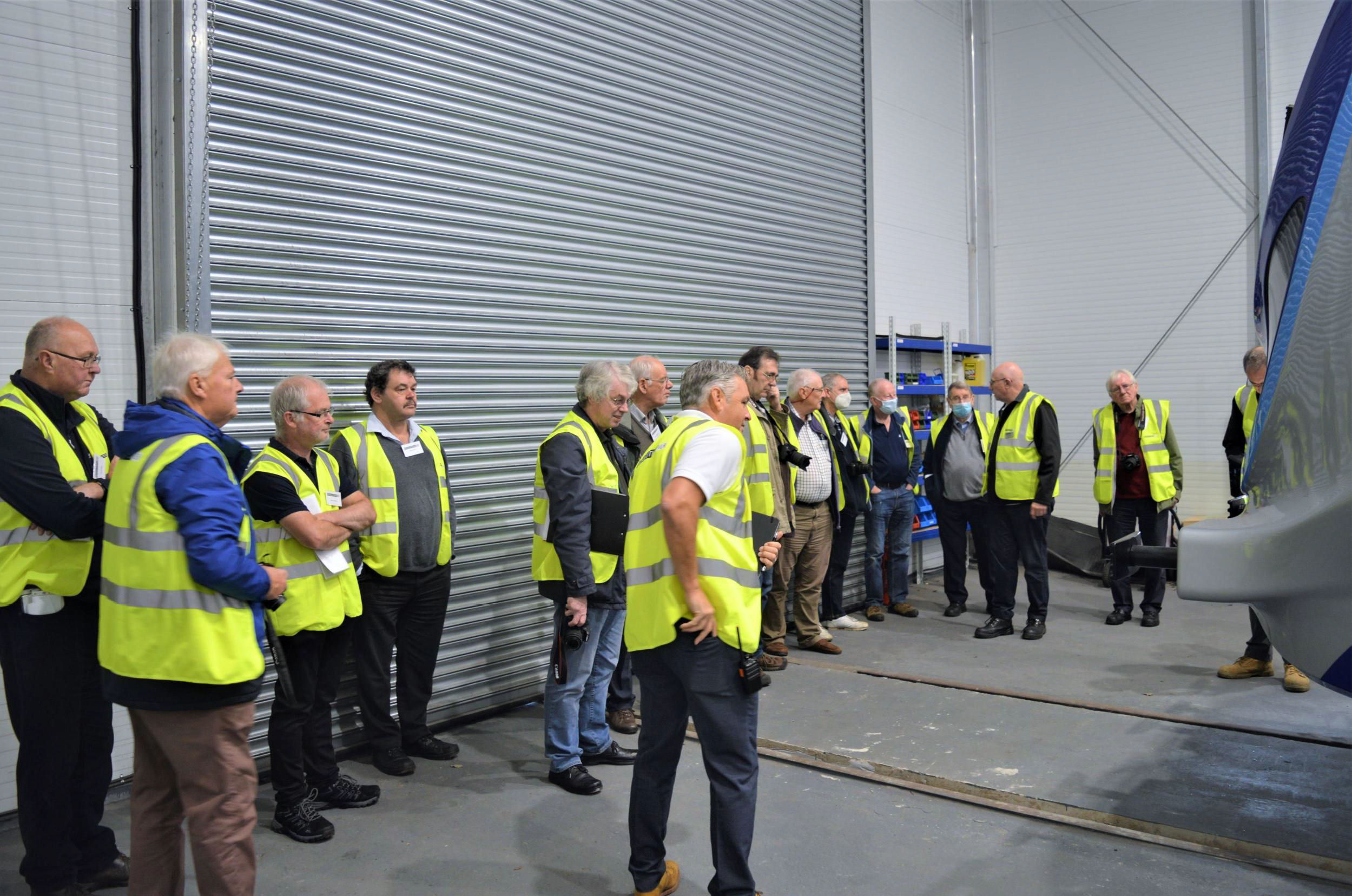
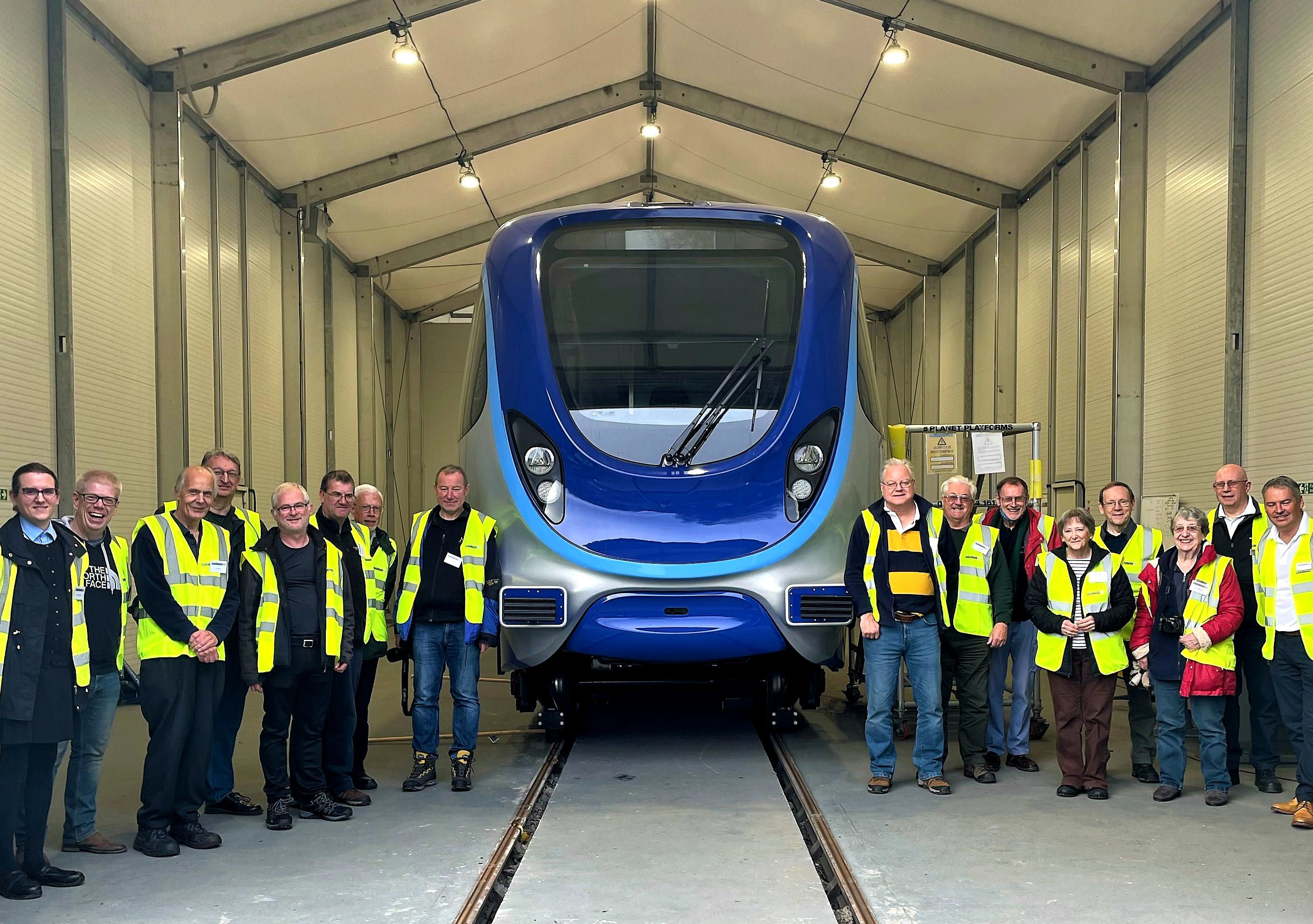
Back in 2021, after our refreshments at the RVLR reception, we were given an introductory talk on the concept and its implementation and donned high-viz jackets. We walked across to a prefabricated metal platform, accessed by a ramp, designed to show how a 'station' could be provided with minimal work and cost. The railcar soon appeared and photos were encouraged before boarding and, once seated, we proceeded along about half a mile of track as far as, and into, the 'pop up' maintenance shed. The tracks were severed beyond to allow traffic to cross the formation (in connection with the demolition and redevelopment work). Thus progress to the end of the line (which obliterated the site of Buildwas Jn when it was built) just before the Much Wenlock Road (A4169) former Level Crossing is no longer possible. At the shed, steps were provided to alight, look at the railcar from ground level and take photos inside and outside. (Just as we once could do, when railtours stopped at ends of lines!)
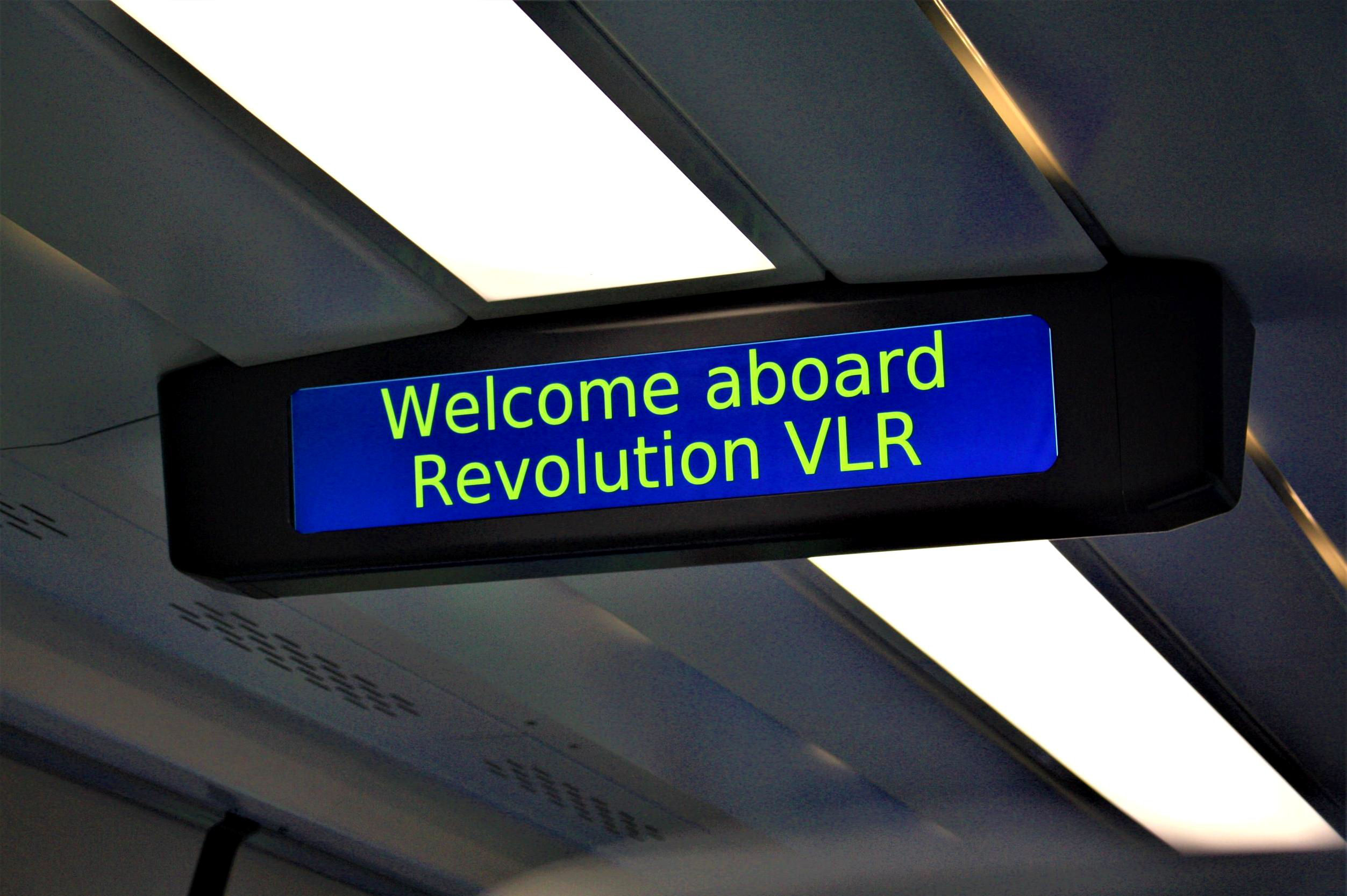
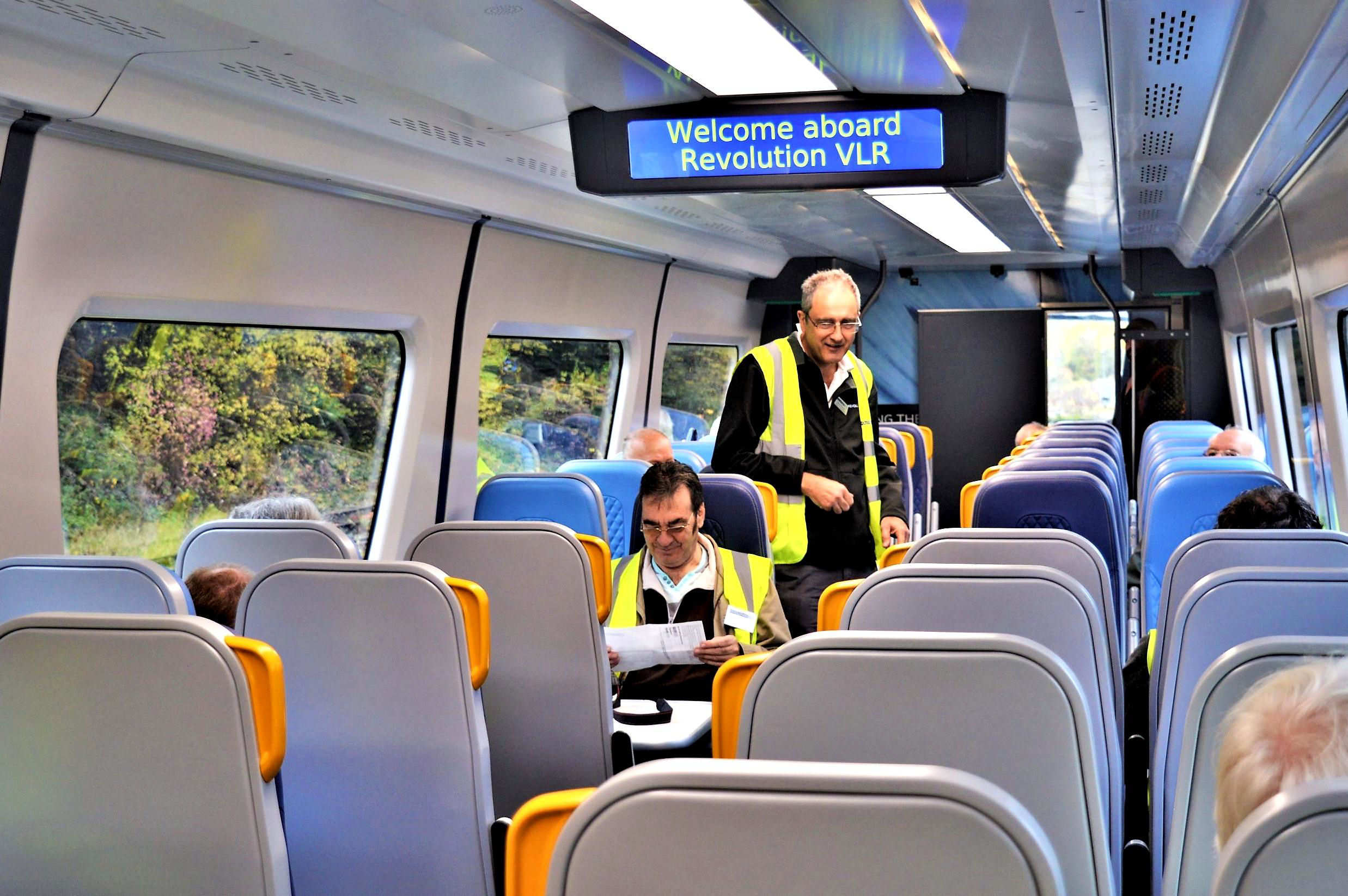
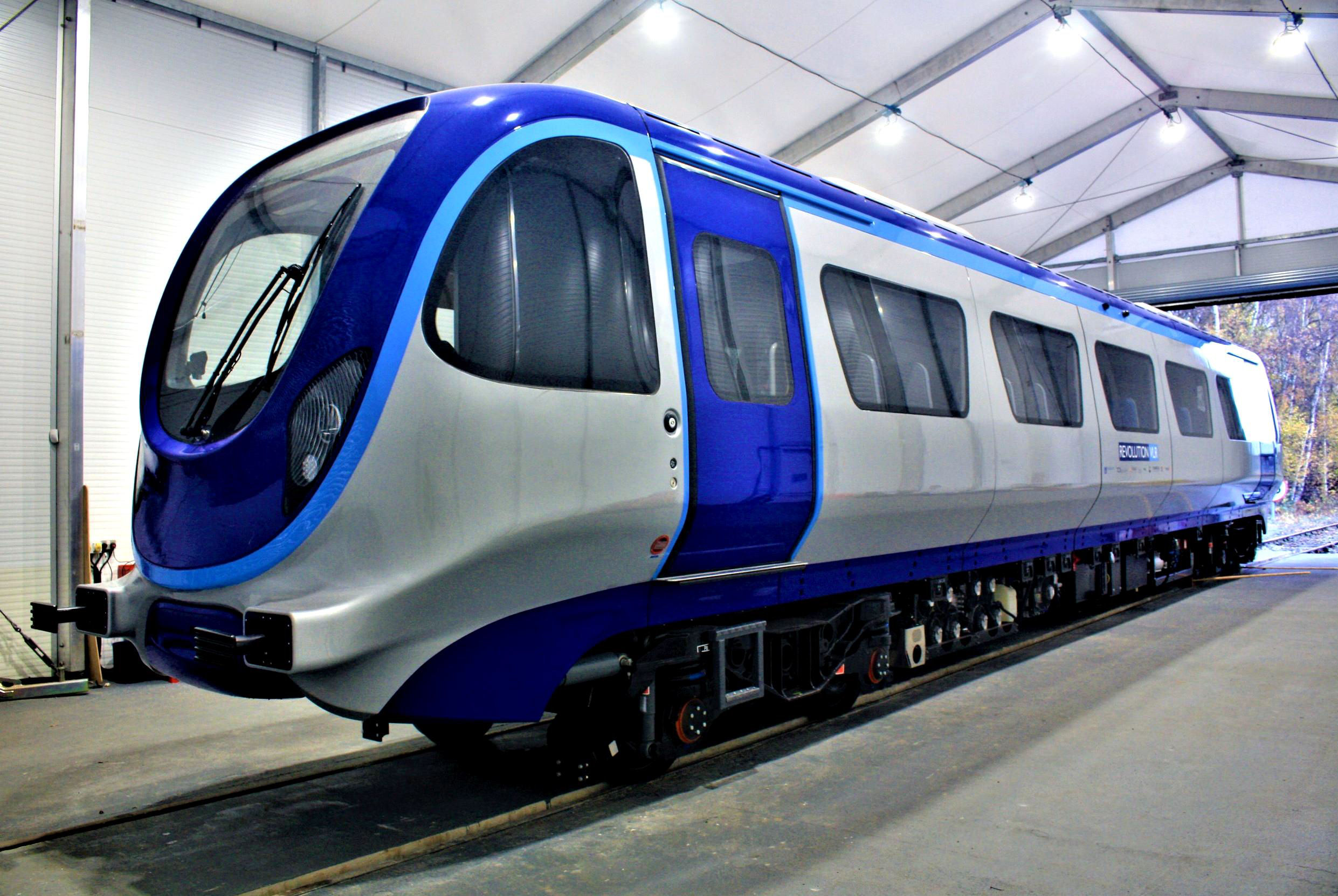
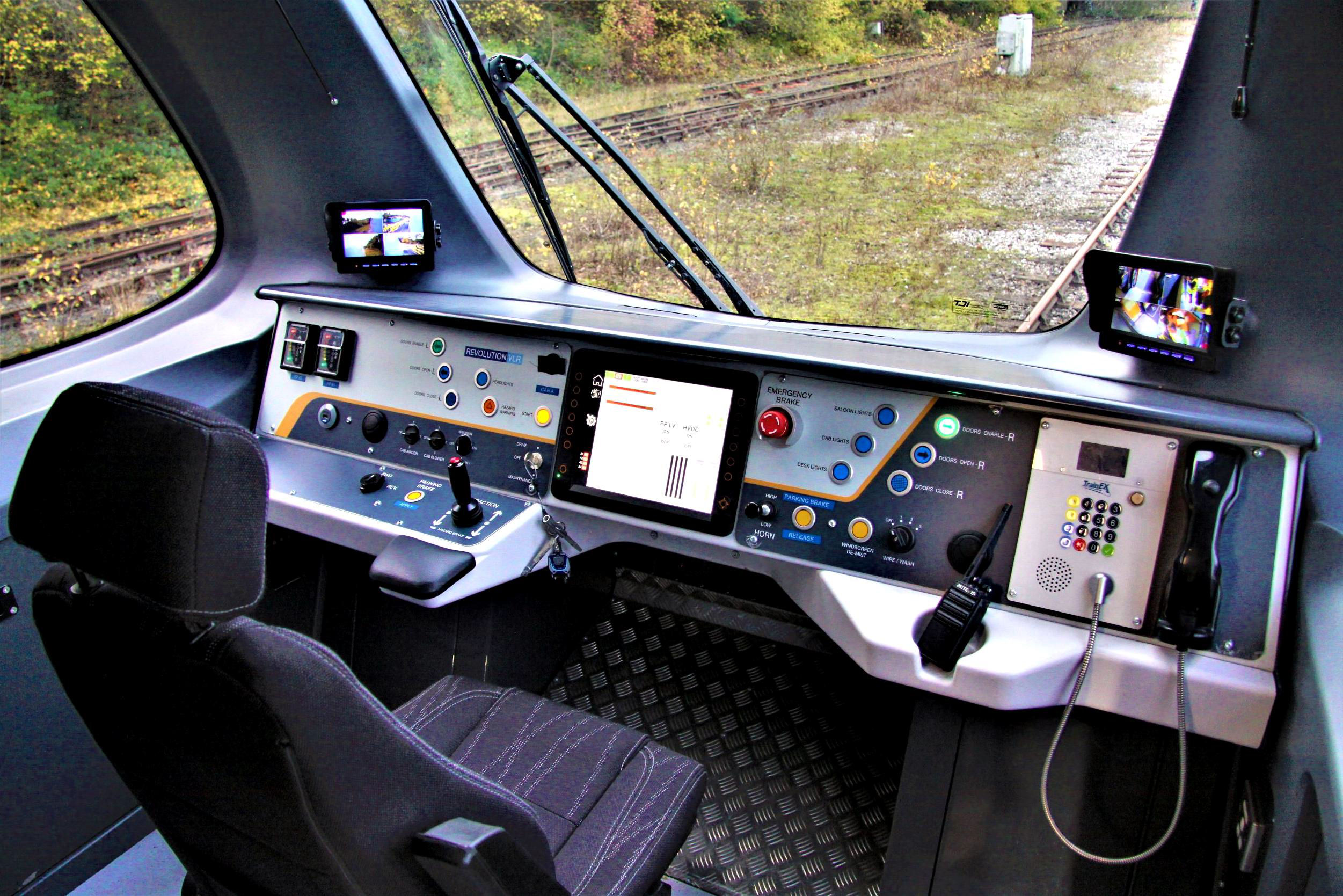
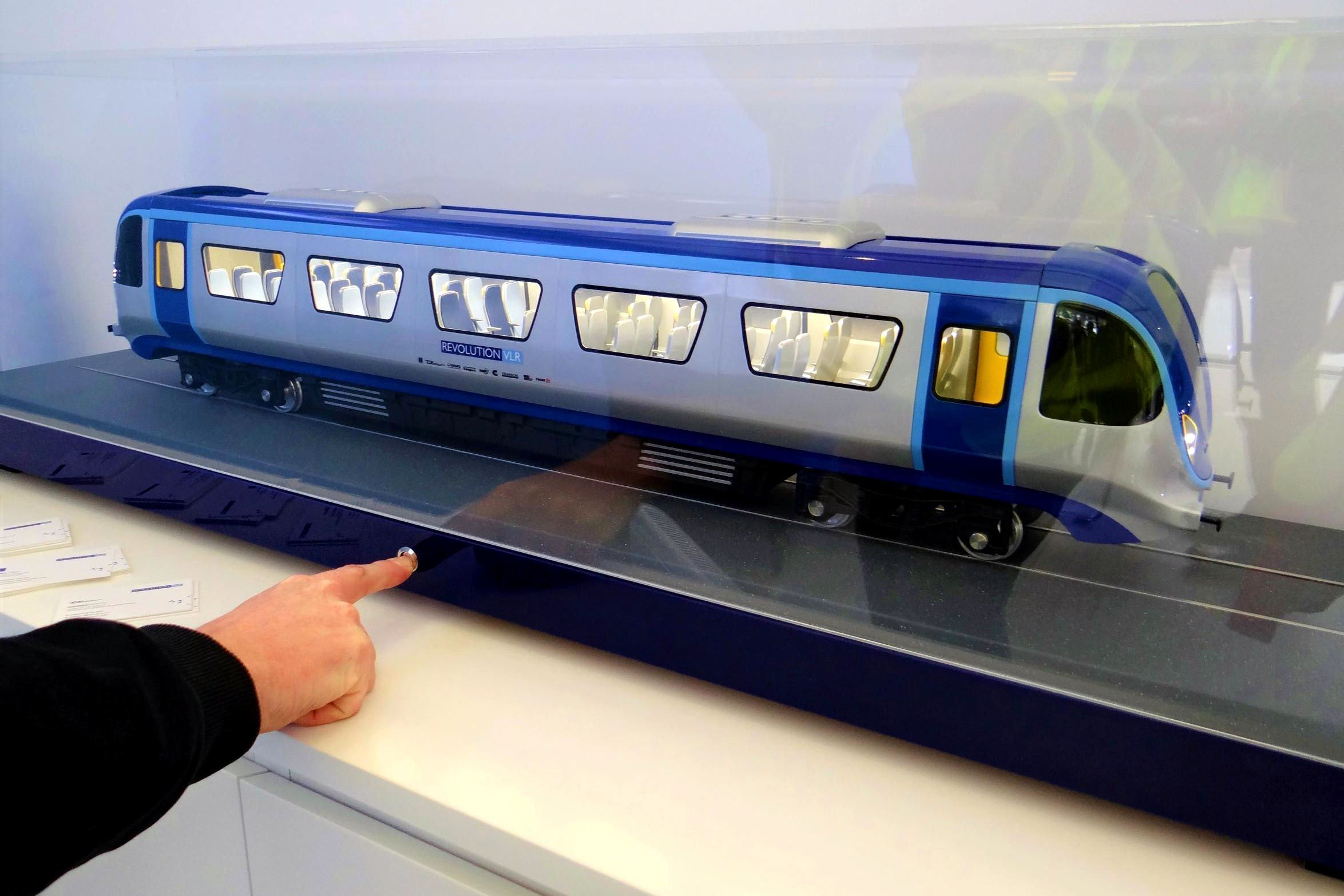
It was immaculate inside and out, in a striking attractive all blue livery. Although everything possible has been done to keep the cost down, the inside was smart and comfortable (including the seats!!) with large windows, air conditioning, USB and charging points. The railcar has seating for 56 in 2+2 format but this can be changed and a 2-car version is possible. There are tables where seats are in bays of four (the layout and fit out can be varied). Both cabs were spacious, modern and well laid out.
It was explained how the two diesel and one battery modular power packs could easily and quickly be removed and replaced with minimal equipment and without specialist tools. Modified freight bogies had been used, with smaller, lighter wheels; the body panels were also modular and could be removed and changed if required. We were also told that a steel frame or chassis was used, as a similar mass of aluminium would have been needed for equal strength so had no advantage - probably a wise choice in view of problems encountered on other new rail vehicles. It was also explained that as much as possible of the construction and materials were UK sourced and all aimed to keep the weight down.
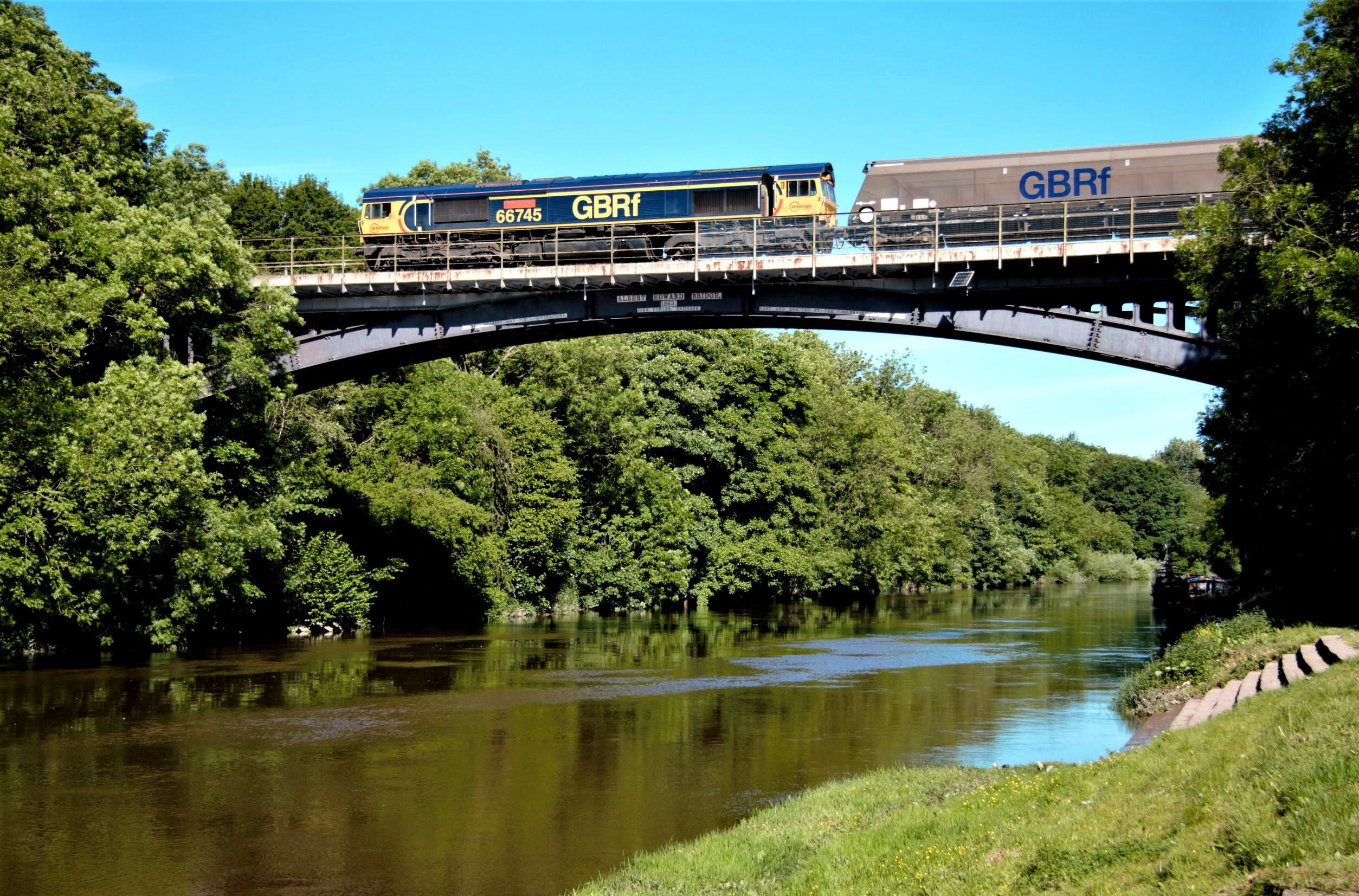
We reboarded the railcar and were taken beyond the platform eastward up to the pointwork, on the start of the curve round towards the Albert Edward Bridge over the River Severn. Returning to the platform we alighted for the reception area, a further presentation explaining some of the technical elements and a Q&A session. Further refreshments were provided.
No more than 25mph is currently possible on the Ironbridge test track (to enable testing of automatic changeover from battery to diesel power). The railcar is able to run at up to 65mph but had yet to be tested at that speed. They hope to make arrangements with NR to do this with the initial three production railcars due to be built in 2022.
The idea is to show how a reinstated line or suitable existing line could be put into service quickly and cheaply but, at present, this would require a line that could be isolated from the main line (such as the Stourbridge Town branch) or a freight line at times when freight is not running. There has also been overseas interest in this type of operation and the cheapness of providing services on an existing line with an easily maintained and relatively inexpensive vehicle. It is unconnected with the Dudley facility.
Thanks were given to the enthusiastic RVLR team for hosting our visits and for making us so welcome. The five AGM fixtures here (two on Fri 19 Nov), each for 14 members, resulted in an excellent donation of £1,400 to Back-Up Trust, Eversholt Rail's chosen charity, supporting those with spinal cord injury.
Two of our more energetic members, who were on the first Friday visit, then walked 13 miles on the intact trackbed from Coalport station to Bridgnorth tunnel and back, thoroughly recommended, (then drove over most of it as well for good measure, as you can) on what was a lovely sunny day for Nov.
| Branch Line Society. A Company Limited by Guarantee - Company No 16743754. Registered in England and Wales. Registered address: 6th Floor, Derwent House, 150 Arundel Gate, SHEFFIELD S1 2FN |