Middleton Railway ''Clear the lines''
Saturday 13th November 2021
Report by 'Sunderland'
The Branch Line Society (Test)
Guest

A confession: I'm not one of those people with a marked up set of TRACKmaps, I don't record if I travel on the Up Slow or Up Fast on a train to London, or where I cross from one to the other. I don't spend time going in and out of stations to tick off every platform and every crossover possible. I don't even worry about doing a double track line in both directions, unless there is significant separation between the two and lack of 'overlap' within stations does not cause me a problem. Thus tours only focusing on rare 'buffers, loops and sidings' don't normally interest me and I hadn't bothered with our Society heritage railway fixtures. (I did do a Scunthorpe Steelworks trip several years ago - and would definitely do another.)
I've travelled over most of the lines in Britain over the last 30-40 years (there are a very small number of passenger lines I still require and a few short freight connections). Some in my position change to 'Microgricing' but I travelled in Europe more often, doing passenger lines, diverted passenger trains and freight line tours. So why did I book an all available lines tour at the Middleton Railway in Leeds?
When the fixture was advertised my first thought was: I've never been to the Middleton Railway, I ought to go sometime, and the price of £23 wasn't going to break the bank. A day or so later a friend told me he had booked, so I did too, as did another friend; we'd travel together from Cambridge to Leeds by car (me driving, as usual!), and make a day of it. The railway, at M621 Jn 5, is very easy to find. It was 09.05 as I parked in one of the last few spaces; someone was attending to the line at the car park edge, using a shovel to clear it for our train. Names were checked as we entered the café/shop area of the building, where complimentary mugs of tea and coffee were served. Wall displays described the history of The World's Oldest Continuously Working Railway (1758 - now) and its early locos, preservation began in 1960 (as a freight service). Complimentary bacon rolls arrived, individually wrapped in aluminium foil - a welcome snack as breakfast had been well over three hours before.
Bacon rolls eaten, we were formally welcomed by Ian Smith, Middleton Railway Vice President, who accompanied us on the train. Kev Adlam responded on behalf of the Society announcing that £1,200 would be donated to the Railway, from the 58 participants' fares. It was also announced that we could buy copies of the new Middleton Railway 2021 stock book for £4, a discount of £1. By 09.45 it was time to walk through the museum shed and up onto Moor Road platform, to board our charter.
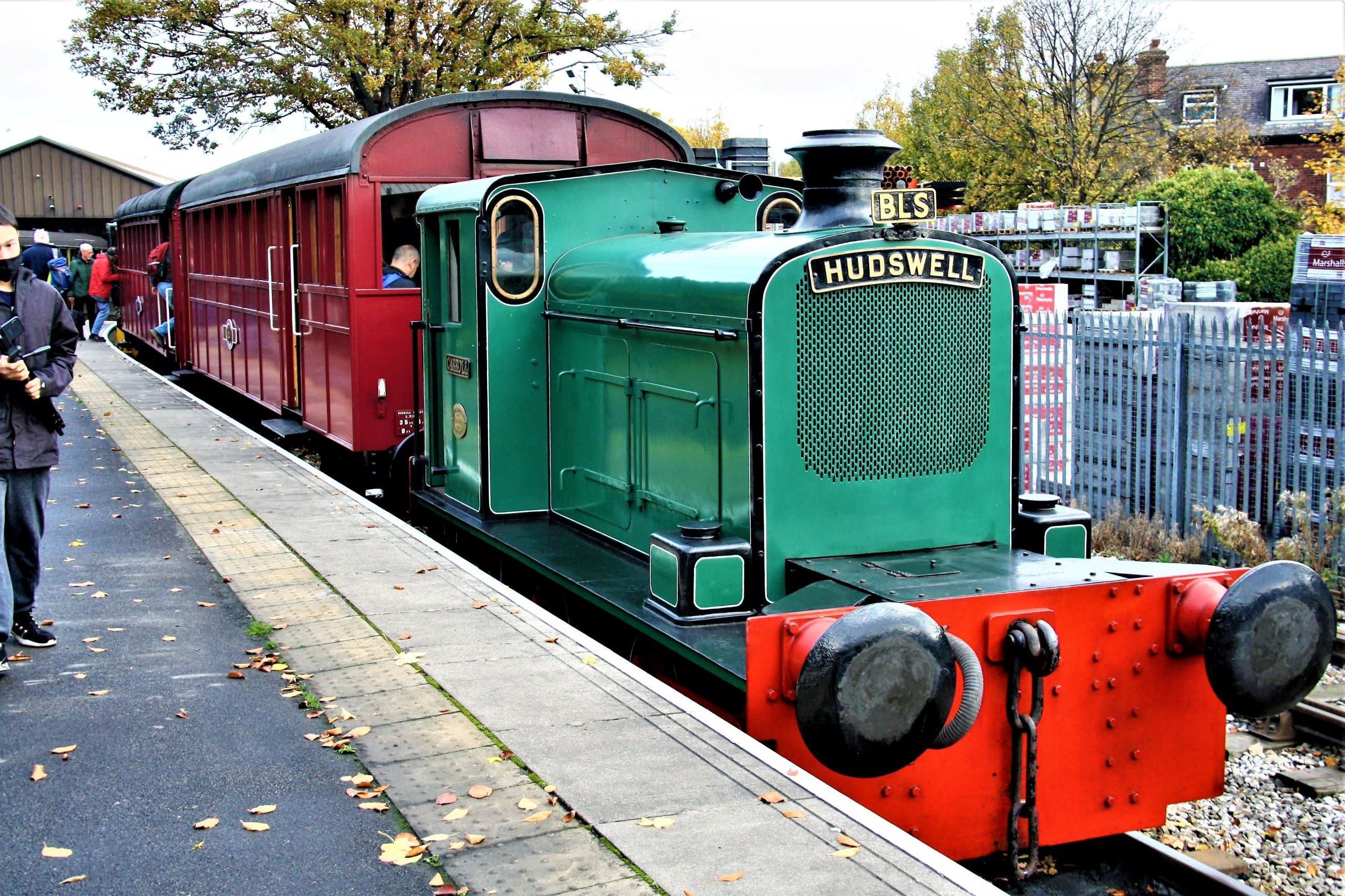
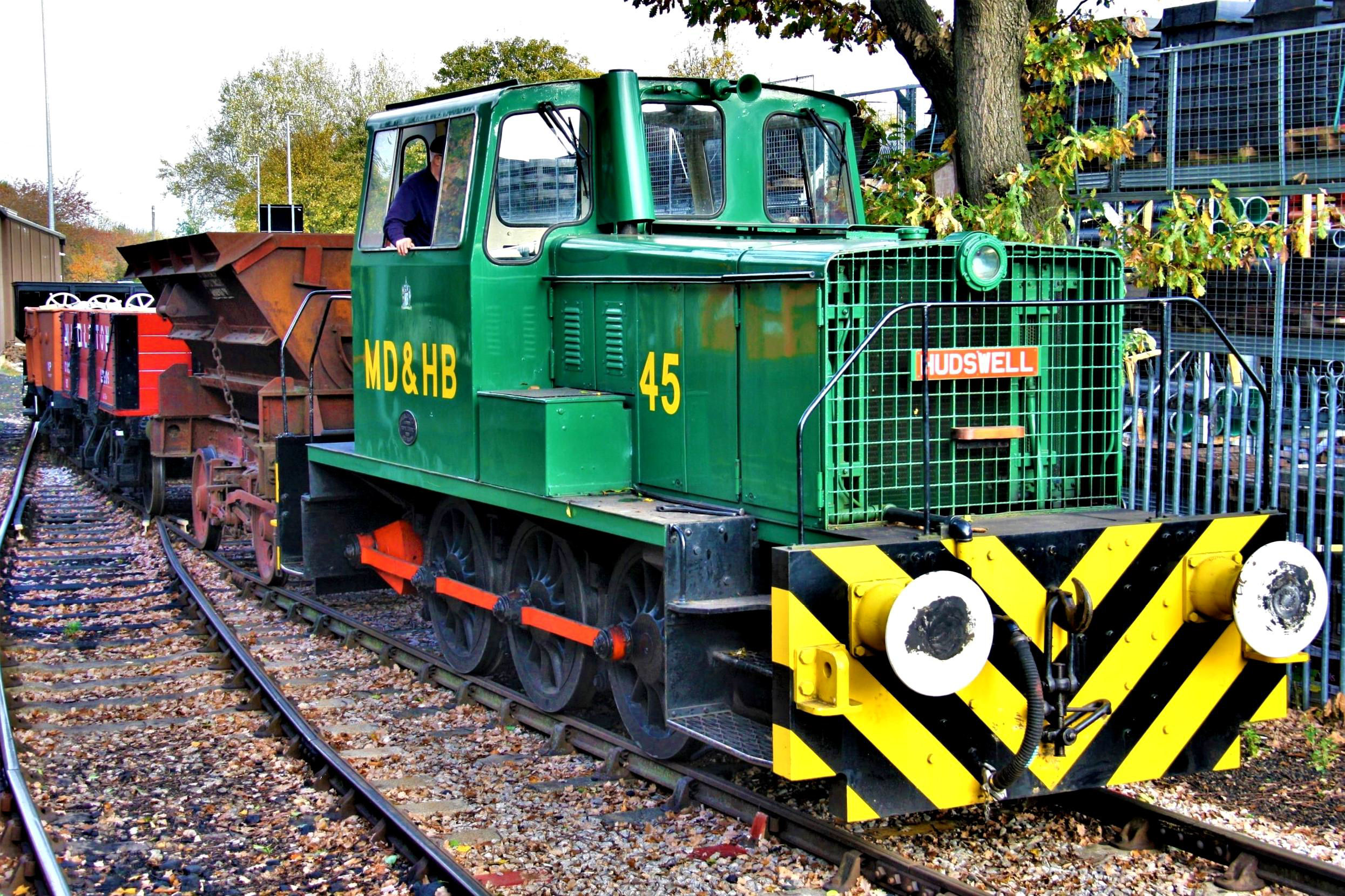
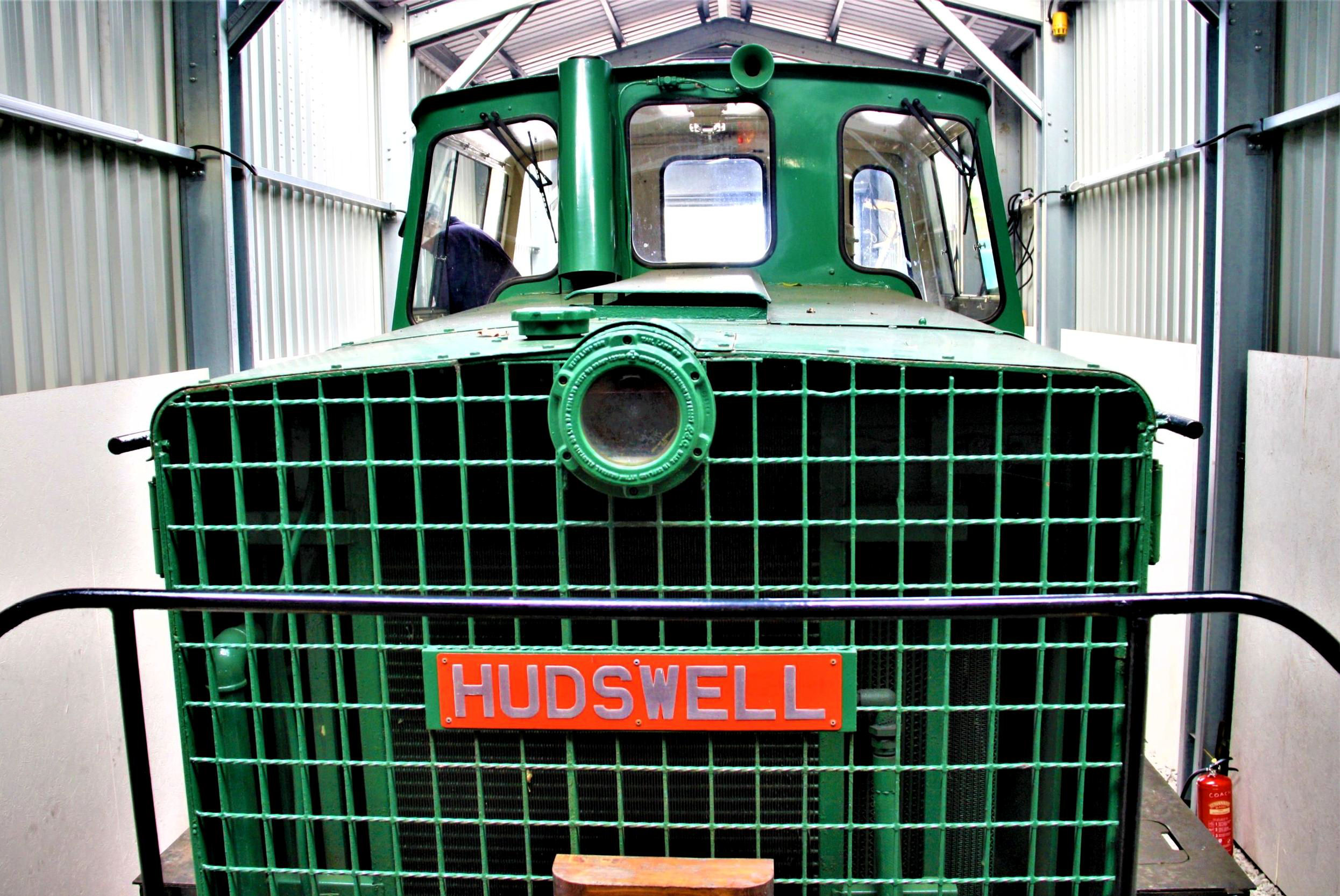
Our train was formed of two coaches with a green painted diesel shunter each end. At the south end was Hudswell, Clarke & Co Ltd NoD631, of 1946 and named Carroll; at the north end was Hudswell Clarke 0-6-0 NoD1373 of 1965 lettered 'MD&HB' (Mersey Docks & Harbour Board) No45. Carroll has a smaller profile with a 0-4-0 wheel arrangement and mechanical transmission; No45 is a full size 0-6-0 diesel hydraulic. The two maroon painted coaches were '1867' (south end) and '2084'. They were converted from Southern Railway Parcels and Miscellaneous Vans, built in 1940 and 1943 at Eastleigh and Lancing respectively. The latter, with hard wooden seats, has an open veranda at one end and a guard's compartment; both have 2+2 seating in bays of four in an open saloon, giving good views out.
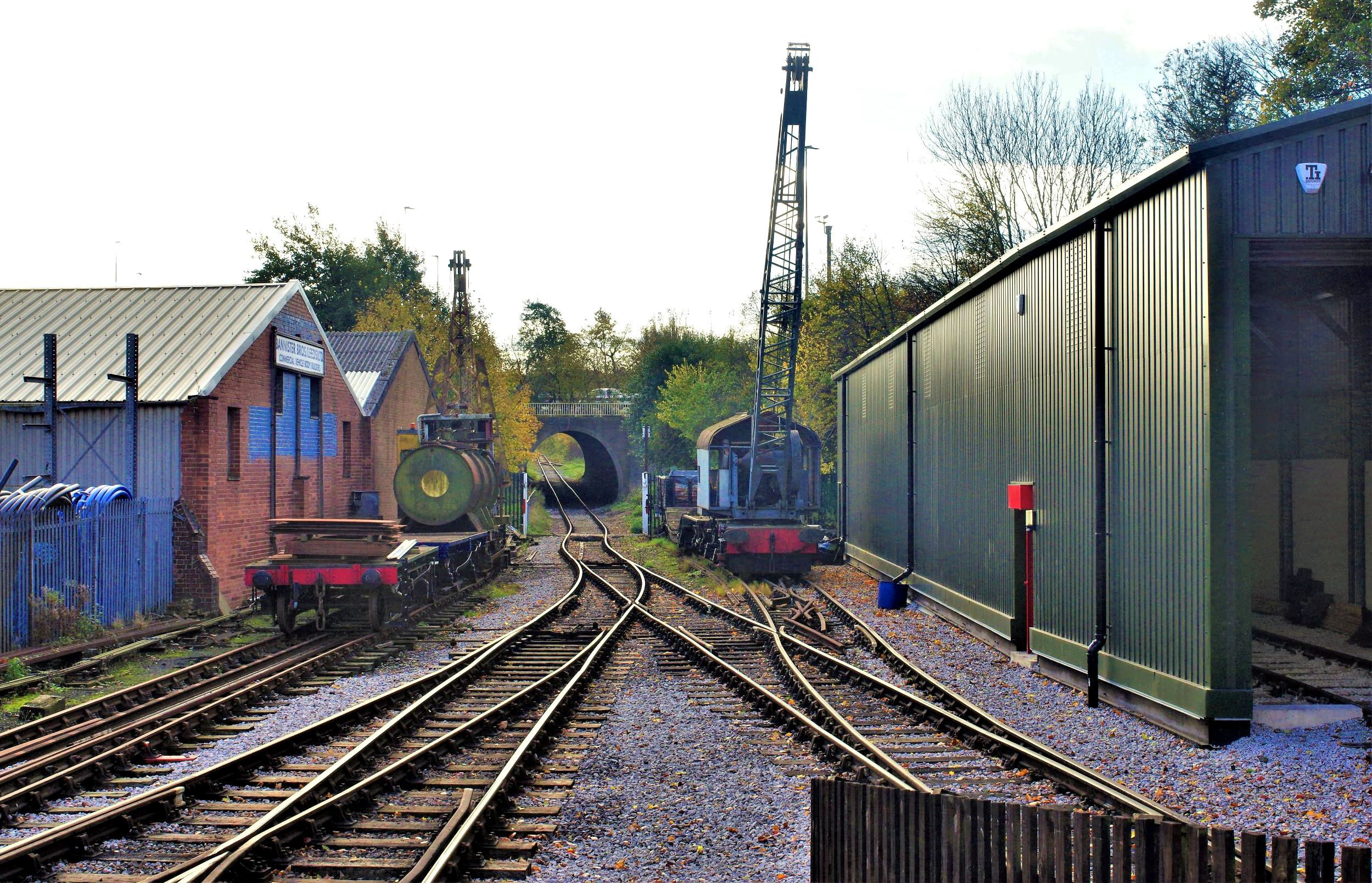
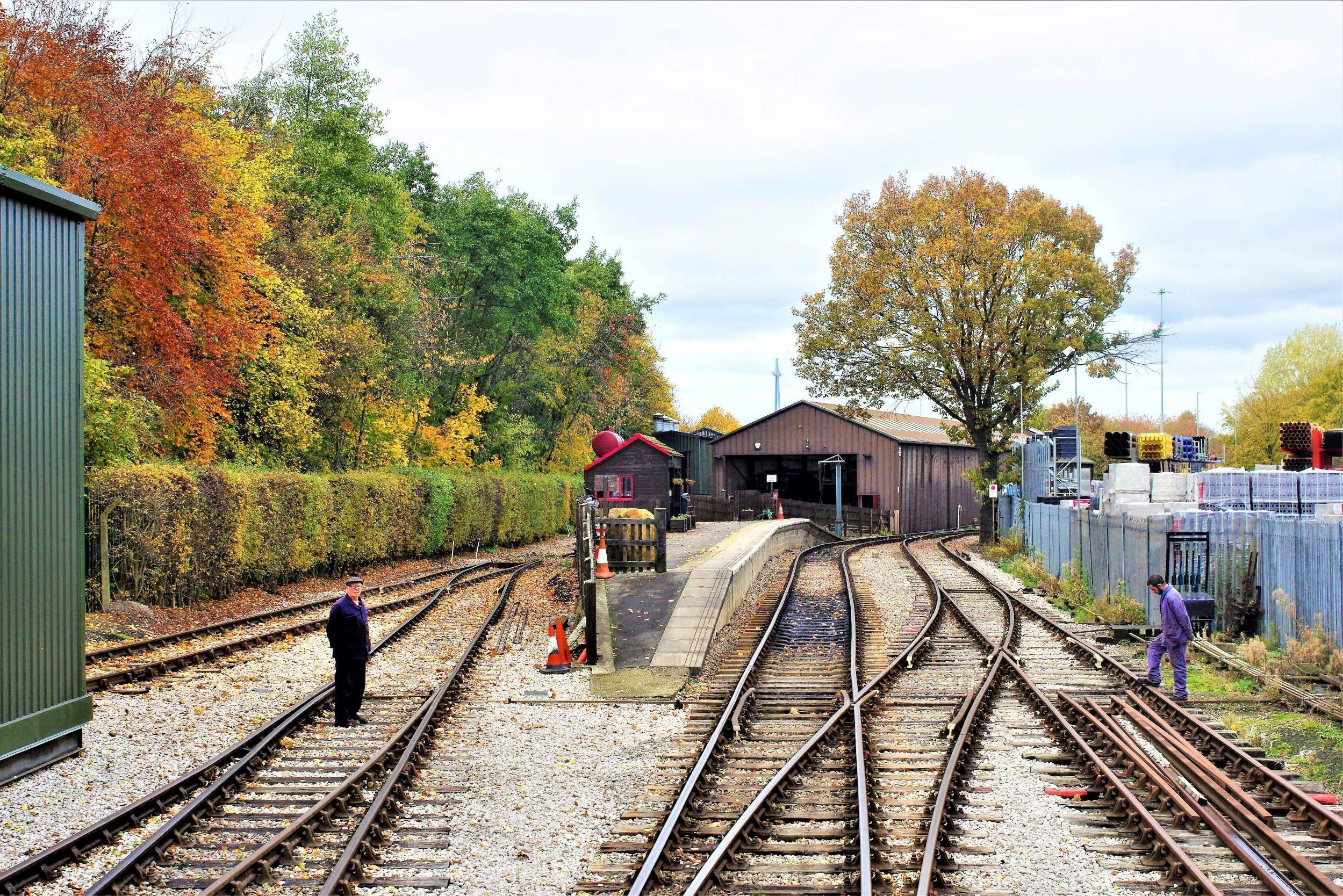
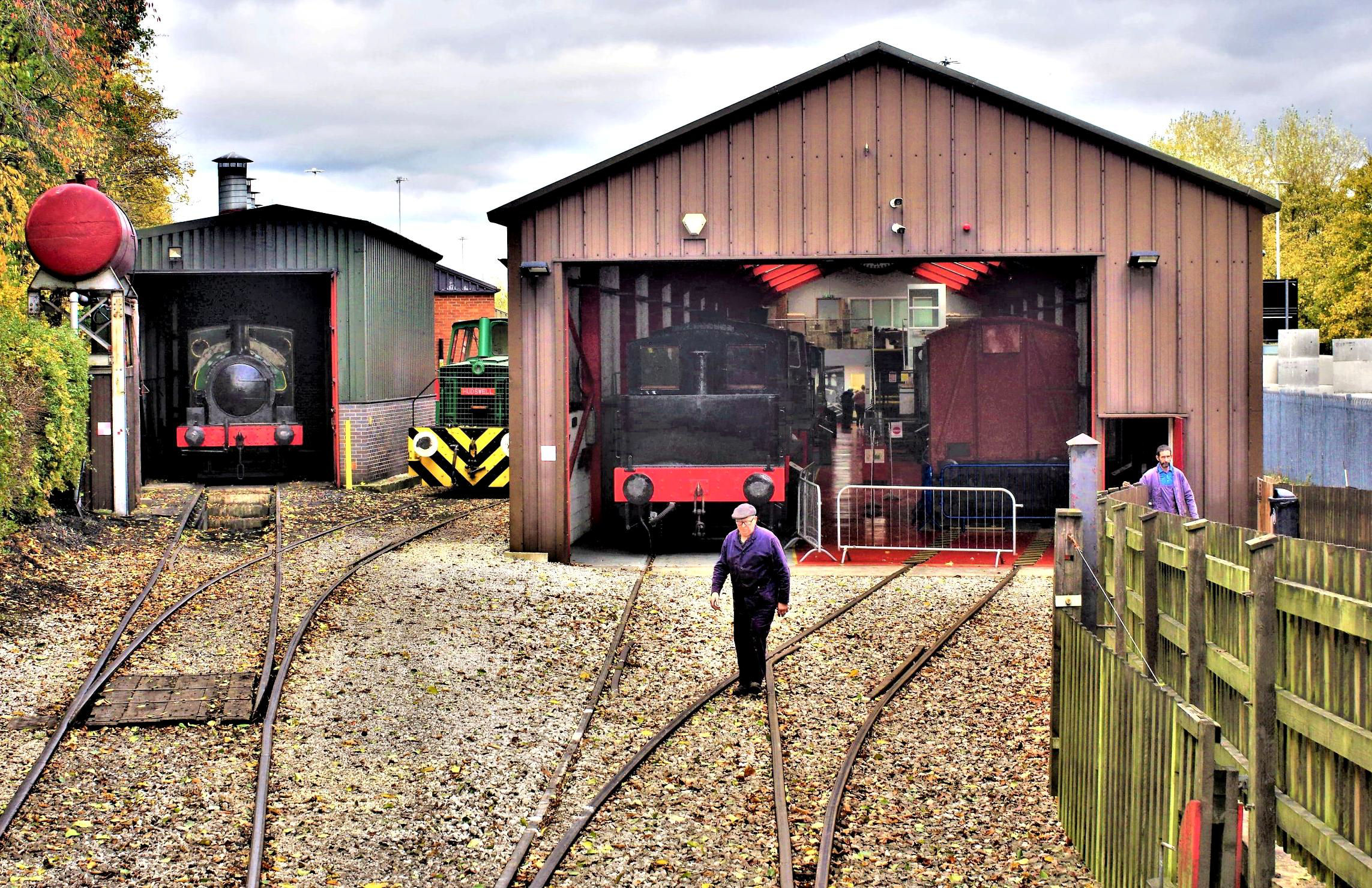
With all present on board, the train set off southwards bang on time at 10.00. Moor Road platform is west of the line, with the track into the shed area behind it and a run-round loop on its eastern side. Immediately south of the platform, the line from the shed area trails in from the right heading south (it is straight and the running line curves). On the left (east) is a siding off the run-round loop, and on the right (west) is one off the shed line, behind which is the new Carriage Shed. Past the buffers of both sidings and the end of the Carriage Shed, the line runs though a site boundary gate, over a footpath crossing and then, a short distance further on, through a 80yd tunnel under the M621. It is still referred to by many (including TRACKmaps 2 p36C 2020) as the 'M1 tunnel', from the road's status before the M1 was diverted and extended to join the A1(M) north of Micklefield. Immediately after the tunnel, the stub of the Dartmouth Yard branch trails in on the right (more on that below).
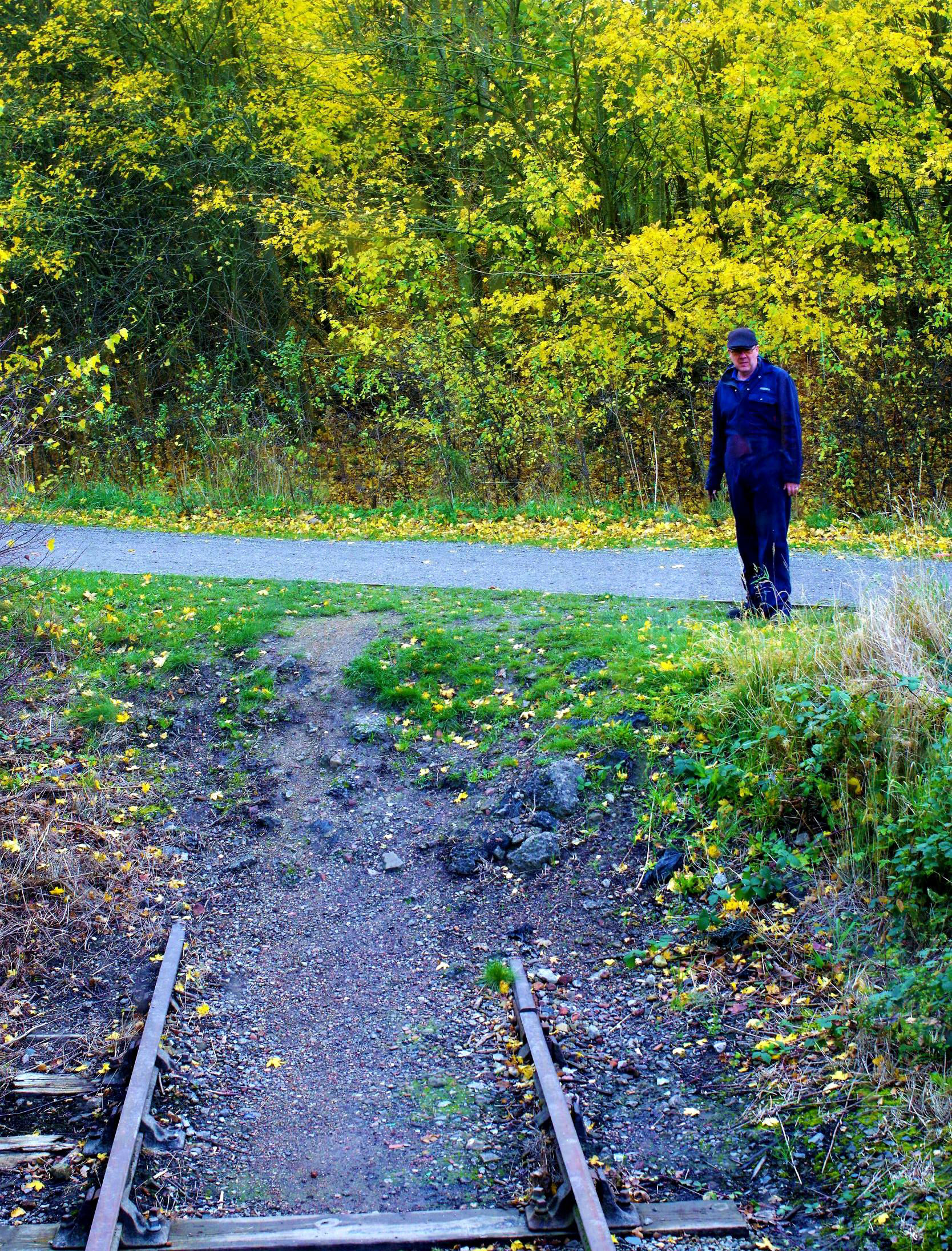
Eight minutes and just under a mile after setting off, we reached Park Halt, the platform on the west side and run-round loop to the east. The leading loco (Carroll) was uncoupled while Kev was on the platform deep in discussion with some MR staff, which involved lots of pointing! No45 moved the coaches back clear of the north end of the loop, leaving Carroll behind. The point was reversed, and we were propelled south into the loop to the end of line. The rails disappear into the earth bank (no buffers). Once stopped and with the handbrake applied by the guard, moving between coaches was allowed via the end doors and open gangway and many visited the southern train extremity.
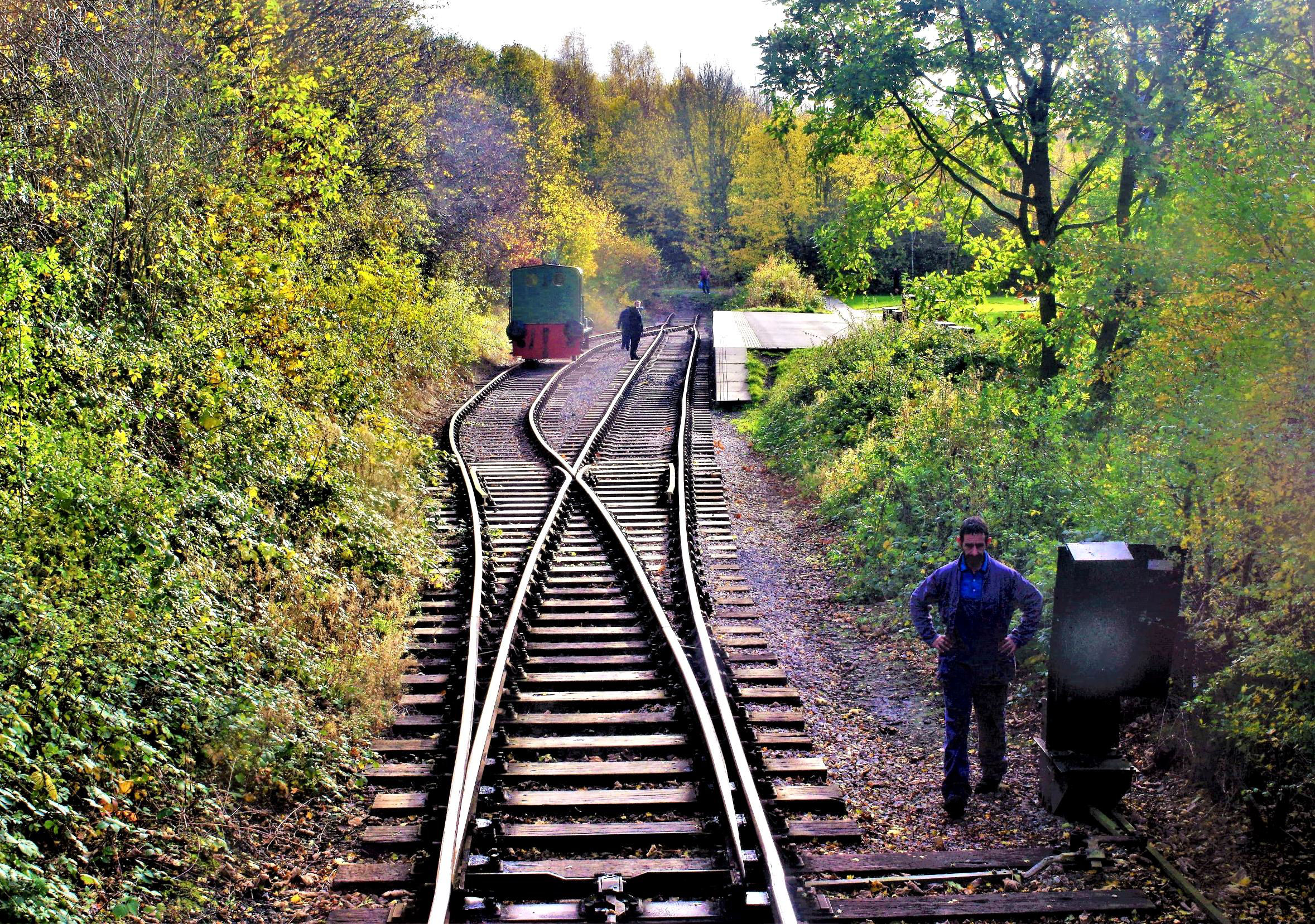
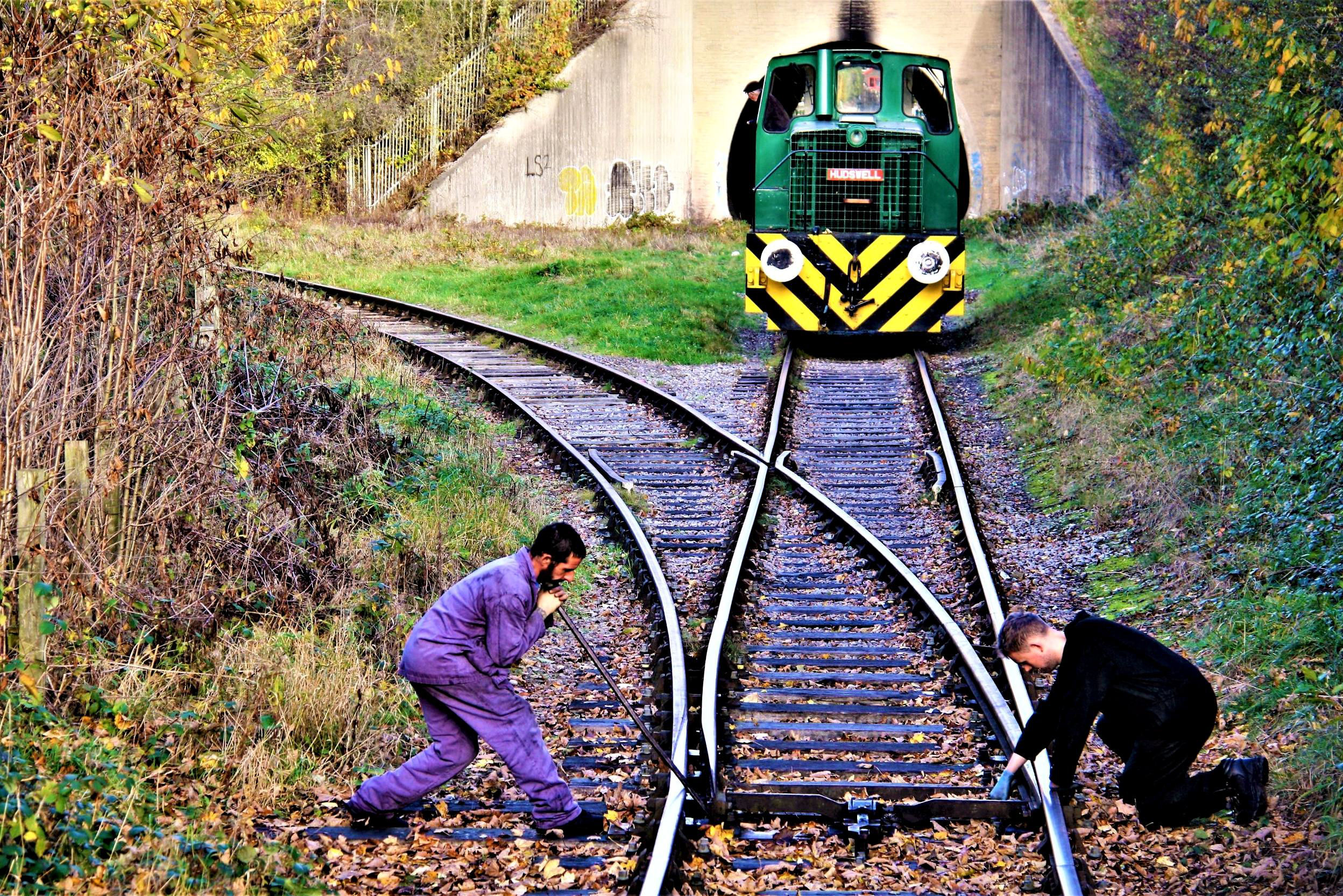
Now, of course, we needed to do the platform line. So we ran back north just beyond the loop and Carroll ran into the loop out of the way via the bufferless headshunt. Then the train was propelled back onto the platform line up to the spring point (set for the loop for when locos run round) which cannot be clamped for the platform line. No45 then drew the train back to just north of the loop (for the third time), Carroll was reattached to the rear, and at 10.37 we set off to the junction for the Dartmouth Branch. No45 was detached (so as not to reduce the track done) and ran a short distance ahead (towards Moor Road), the point was set for the branch, and Carroll propelled the train onto it. The last passenger train to use the branch was our fully booked Sat 27 Oct 2018 AGM railtour here.
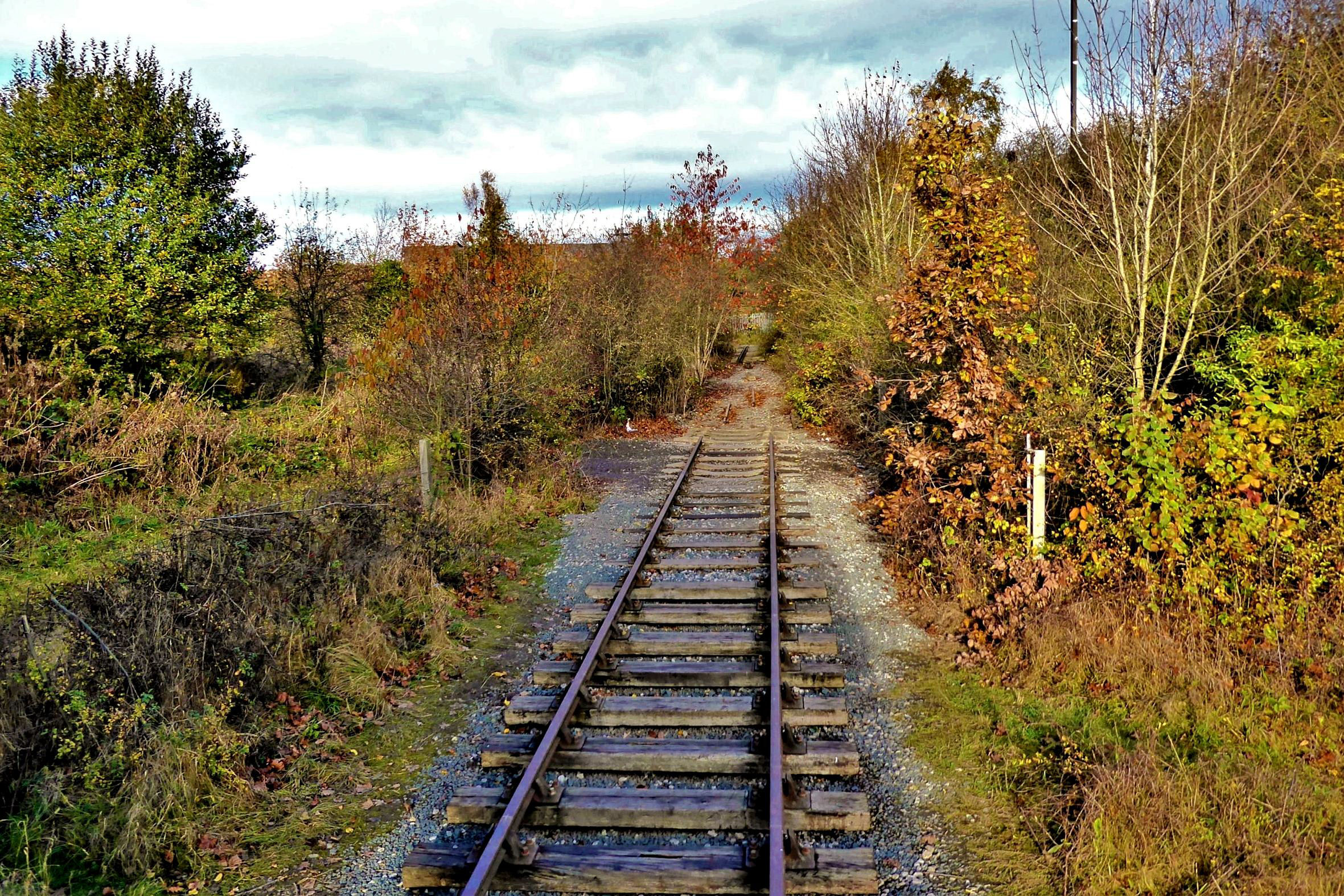
It was once the original MR passenger route and served various metal industries (worked by the MR from Sep 1960 until 1983), but was cut back many years ago as much of the area was redeveloped. A few track panels had been removed ahead as part of various external p'way training programmes. We stopped at the safe limit, one track panel short of the end, as beyond the fishplates were only partly bolted. After a chance for those who wanted to move to the 'extreme' end of the train and take photos to do so, the tour was hauled back onto the main line and No45 reattached to haul us back to Moor Road. Participants could alight for about ten minutes for photos etc while shunting took place.
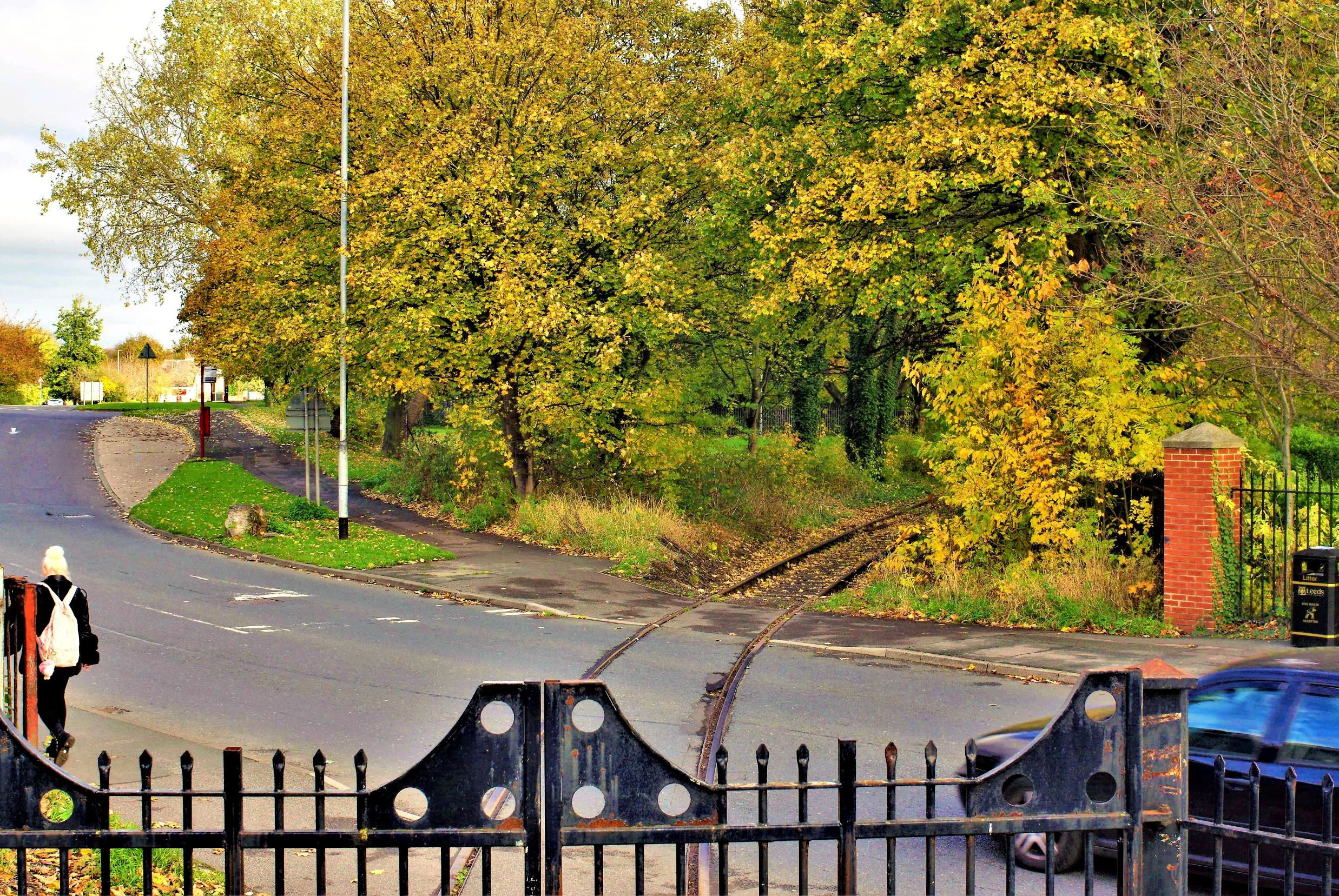
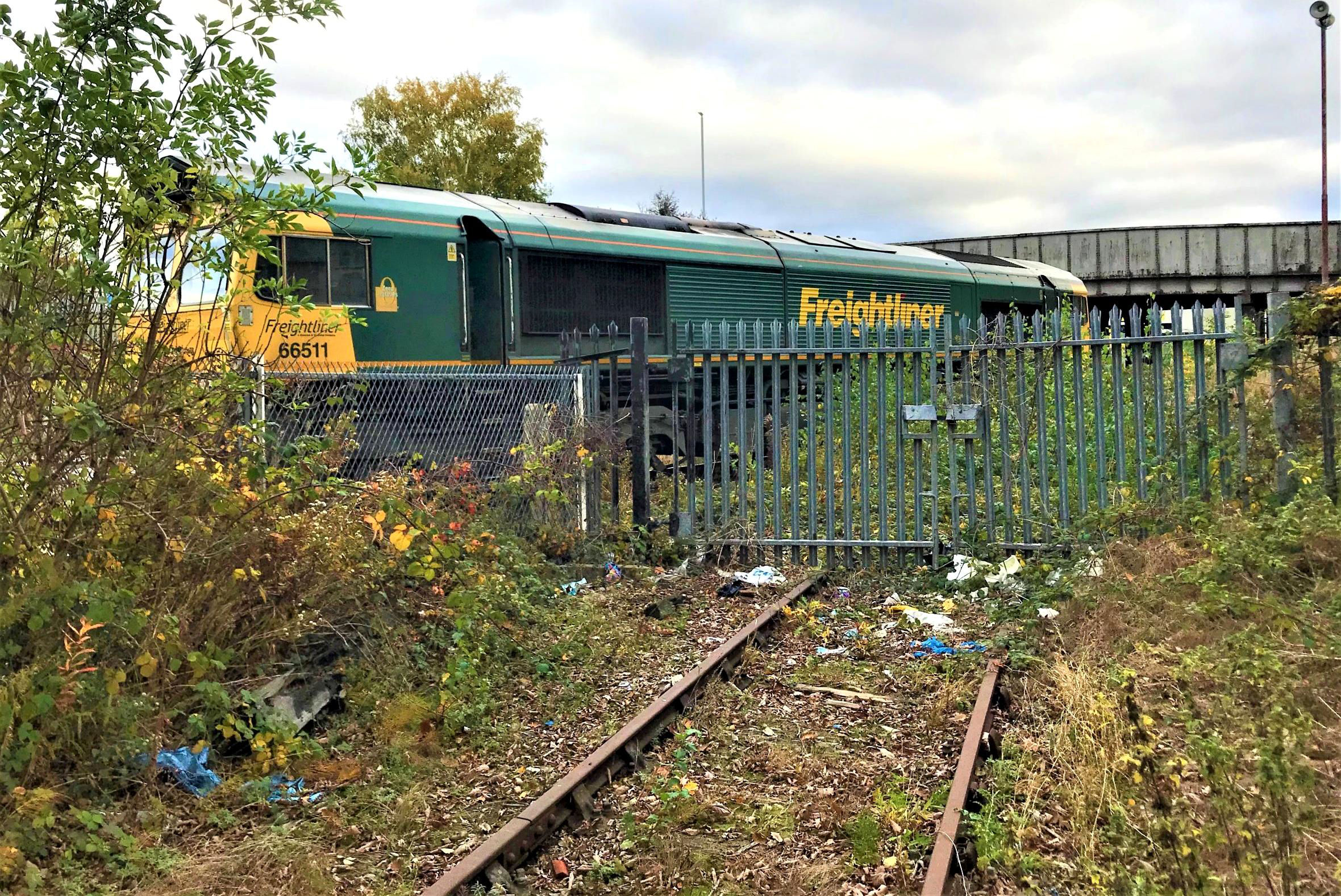
The aim was to do as much track as possible at Moor Road but, unfortunately, due to a recent track defect, which could not be repaired in time, it was not possible to cross Moor Road Level Crossing and continue eastwards to the end of the Balm Road Branch. Here the line connects with NR, although the connection, still shown on the Sectional Appendix, has been bolted out of use for about thirty years. Stabled stock then had to be moved out of the way (and returned) in carefully choreographed moves by both locos. The line from the platform to the level crossing was blocked by goods wagons, so No45 moved them via the run-round loop to the running line south of the platform. With everyone aboard, at 11.27 Carroll propelled our train north from the platform, round the gentle curve to the crossing. There are two sets of gates, just a few feet apart, controlling access to the railway rather than closing the road. The first are part of the palisade security fencing round this site; the second are painted metal gates which match the older (lower) boundary fencing round the car park. The metal posts for the proper (metal) level crossing gates are extant on the west side of the road, as is the gate which at one time closed the road on the northern side of the line. However, it can no longer be moved, as it is partly buried in the pavement tarmac. When trains use the crossing two flagmen stop the road traffic.
Carroll hauled our train back and onto the run-round loop onto the eastern side siding to clear the north end of the loop (too short to hold a loco with two coaches). No45 returned the goods wagons to their previous position then reattached to the north end of our train and hauled it back into the loop; Carroll was detached from the south end and ran onto the main line. The point was reset for the siding, and we were propelled to the immovable stock - with no loco in the way. The stock included a crane and a flat wagon stacked with unsecured steel so could not be moved. Carroll meanwhile cleared stabled stock from the new Carriage Shed, taking it past the shed area towards the car park.
Our next destination was, logically, to be the smart large new green Carriage Shed. Our tour was propelled south onto the main line, through the boundary gates almost to the M621 tunnel, and then hauled back onto the line behind the station platform. Once clear of the point, we were propelled into the voluminous Carriage Shed - built since our previous 27 Oct 2018 AGM visit - to the buffers, which were tested. It was the highlight for many (Ian Smith said that the line had been extended here).
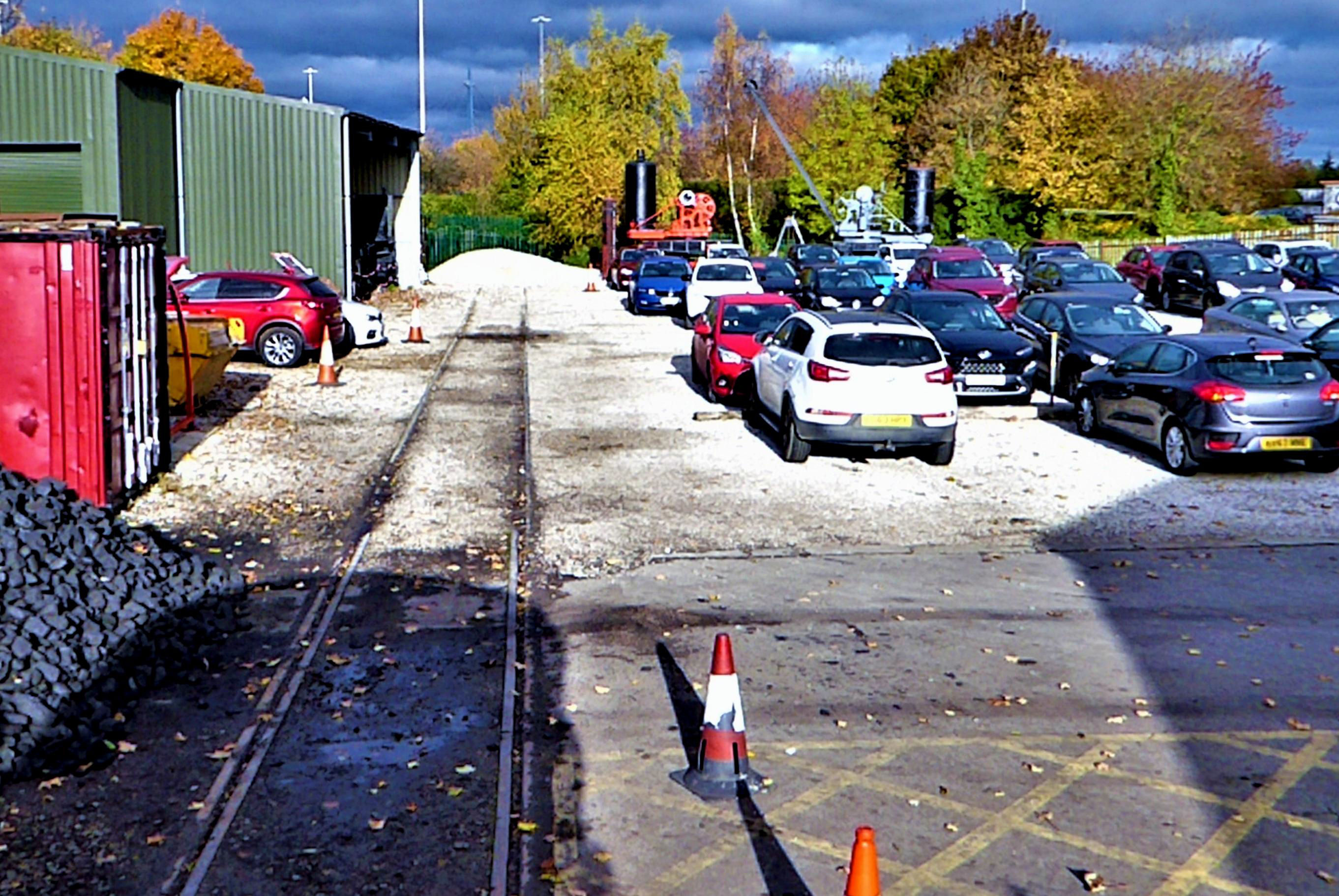
Meanwhile Carroll cleared the line through the shed area to the car park. But we had a loco on the north end (preventing the coaches reaching the line end - tut tut). Therefore, after exiting the Carriage Shed, No45 was removed and retreated while Carroll left its train and coupled to our south end to propel us into the car park. Again we reached the bufferless (northern) extremity of the Railway, thankful no cars were in the way. [They wouldn't dare; it's 3 penalty points on their Gricing Licence.]
This left three shed area roads to do, other than the longer second Shed/Workshop occupied by immovable locos. We ran back behind the station platform (the loco on the line into the Carriage Shed), then No45 vacated the first Shed/Workshop road, parking up by it on the car (train?) park line.
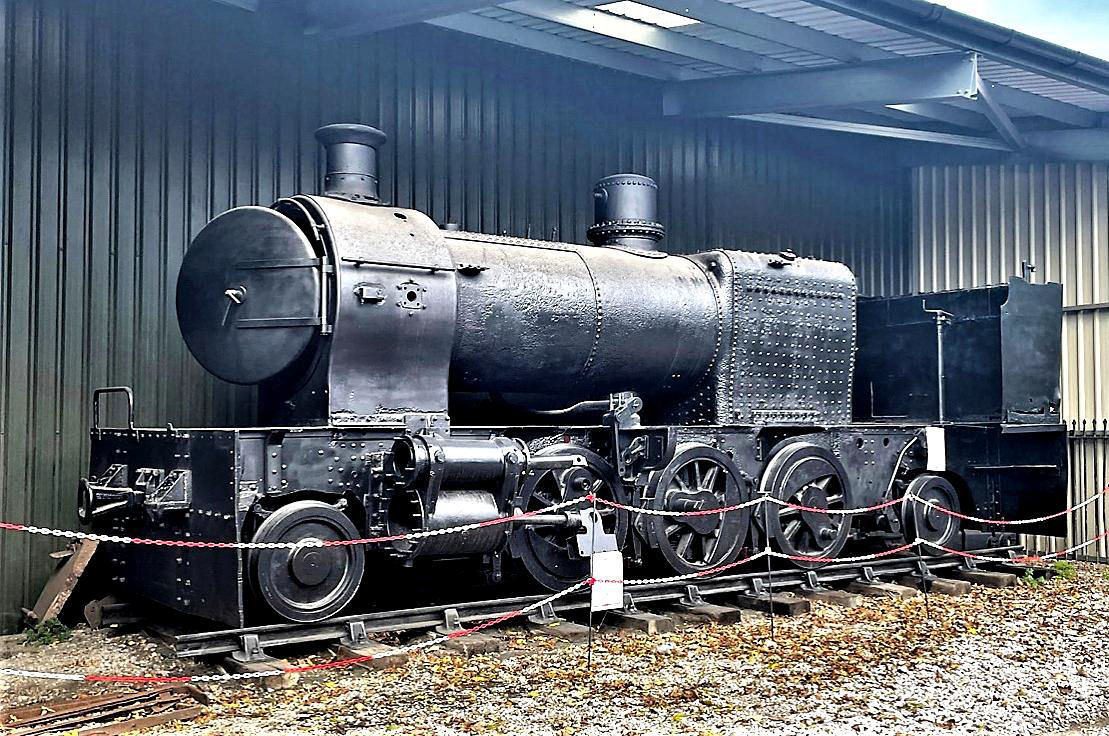
Carroll then propelled us onto that track, the north end of the train inching inside the shed door to a steam loco (not in steam). We retreated south, stopping on the connection across to the main line (with the loco on the point), allowing No45 to move the loco parked on the lines into the Museum Shed. This cleared the way for us to be propelled onto each line towards the Museum up to the locos and stock on display. Thur 16 Jun 2016 was a very rare occurrence - both Museum lines were cleared (for a model railway event) one to the end, the other almost. Needless to say, Kev arranged a Society visit and both were covered (our first to the Middleton Railway was in 1974 and today was our sixth.)
The siding between the running line and the new Carriage Shed was occupied by a crane and wagons, which could not be moved, so we shunted back to Moor Road, arriving 13.12. Participants walked through the Museum to the café/shop, where a substantial spread of sandwiches was available with hot drinks - all free of charge in lieu of not being able to do the Balm Road Branch. There were enough for second or even third helpings. Edmondson tickets were handed out, Kev gave the vote of thanks to the Middleton Railway and people gradually left, earlier than expected due to the efficient working.
So, what was there to do with the rest of the afternoon? Some went to Bala, for our fixture next day, one via clearing Bradford Interchange. Kev went via the relatively new Leeds P0 bay, as you do, but the prize goes to your GS and Editor who went to Bala eastwards via Cottingham to do the new layout at Bridlington before darkness fell. I wondered if my two companions had done the NR to Supertram connection and, surprisingly, neither had although I had in early Jan 2020. So we headed south on the M1 to Valley Centertainment (a park & ride stop adjacent to a multiplex cinema, with the dedicated P&R parking spaces furthest from the stop!). As we walked across the car park, a tram train was just leaving for Parkgate, so we had just over half an hour to wait (there are 2tph, but not at 30-minute intervals). The conductor charged us £3.20 each for a return, which was in one of the two hybrid units, 399204, formed of sections numbered 999004, 999104 and 999202. (I'd travelled on hybrid 399202 on my first visit.) With a 4-minute turnaround at Parkgate (2A58 formed 2A59; schedules, with reporting numbers, are shown on RTT), about an hour after arriving we were back at the car and on our way home after an enjoyable and different (for me, at least) day out. [Editor's observation: Someone who writes such a meticulous report, and this is a reduced version (!), perhaps ought to be a Microgricer.]
| Branch Line Society. A Company Limited by Guarantee - Company No 16743754. Registered in England and Wales. Registered address: 6th Floor, Derwent House, 150 Arundel Gate, SHEFFIELD S1 2FN |