Institution of Mining Engineers - Notts & North Derbyshire Tour
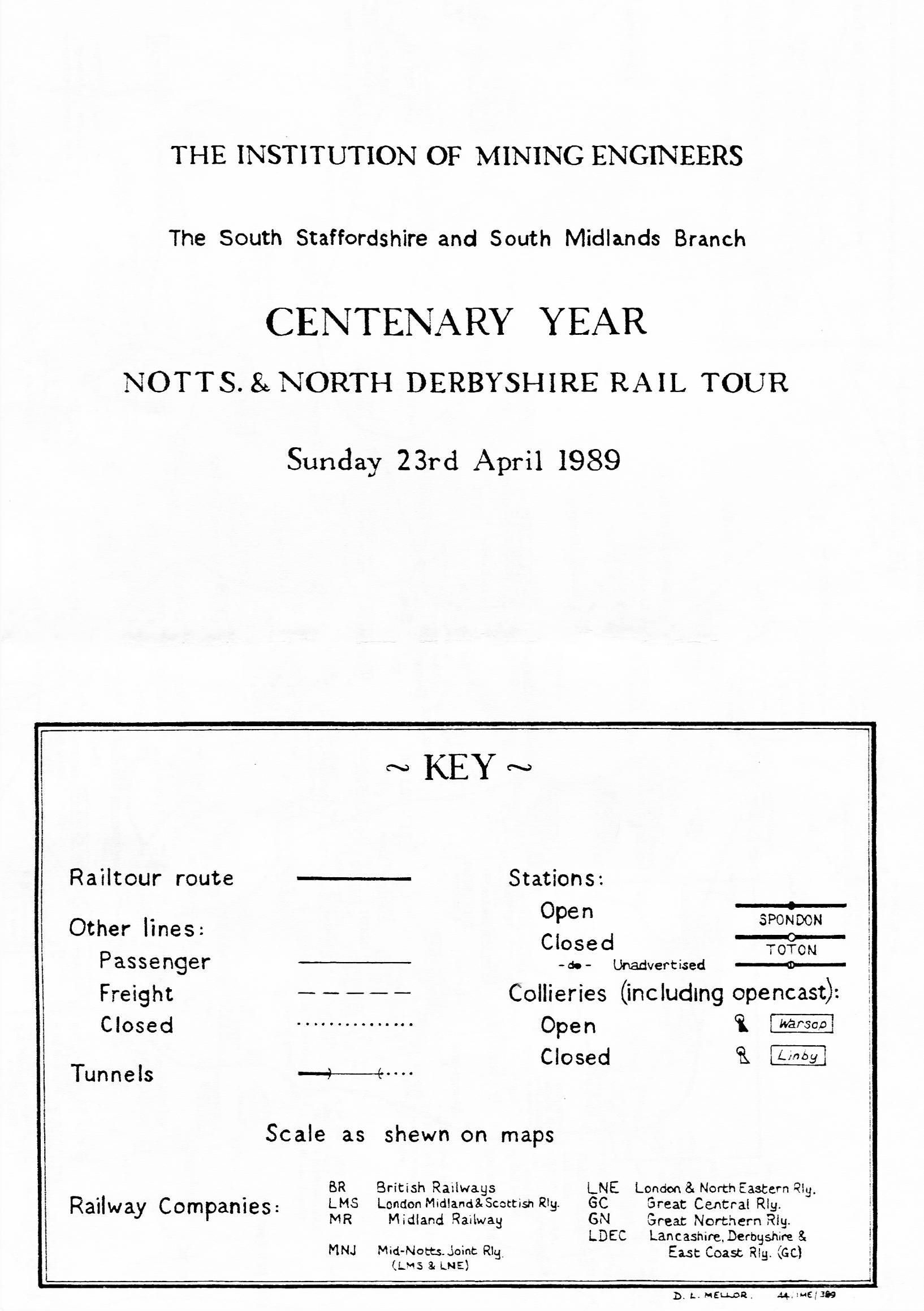
Sunday 23rd April 1989
Report by Ian Mortimer
The Branch Line Society (Test)
Guest

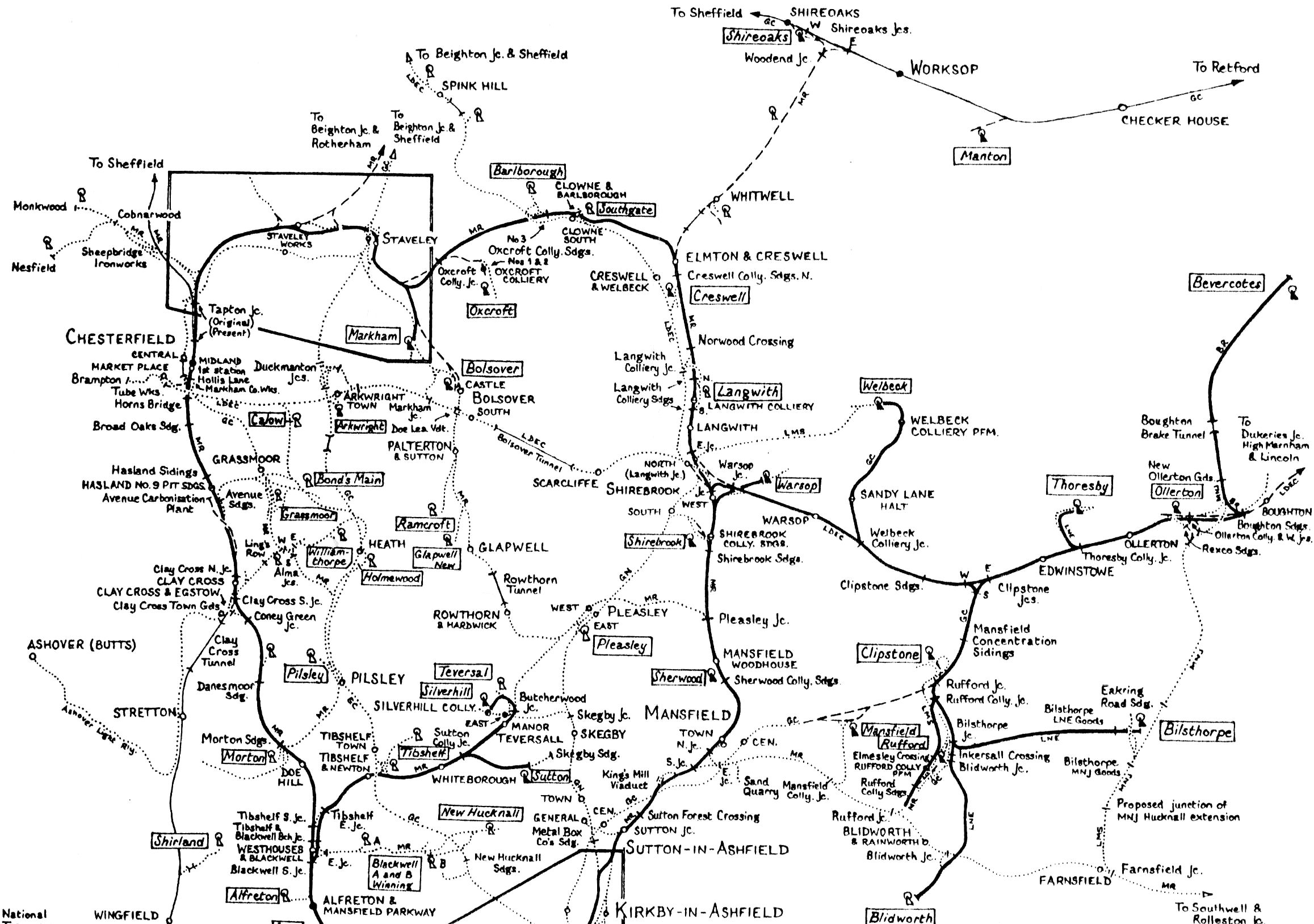
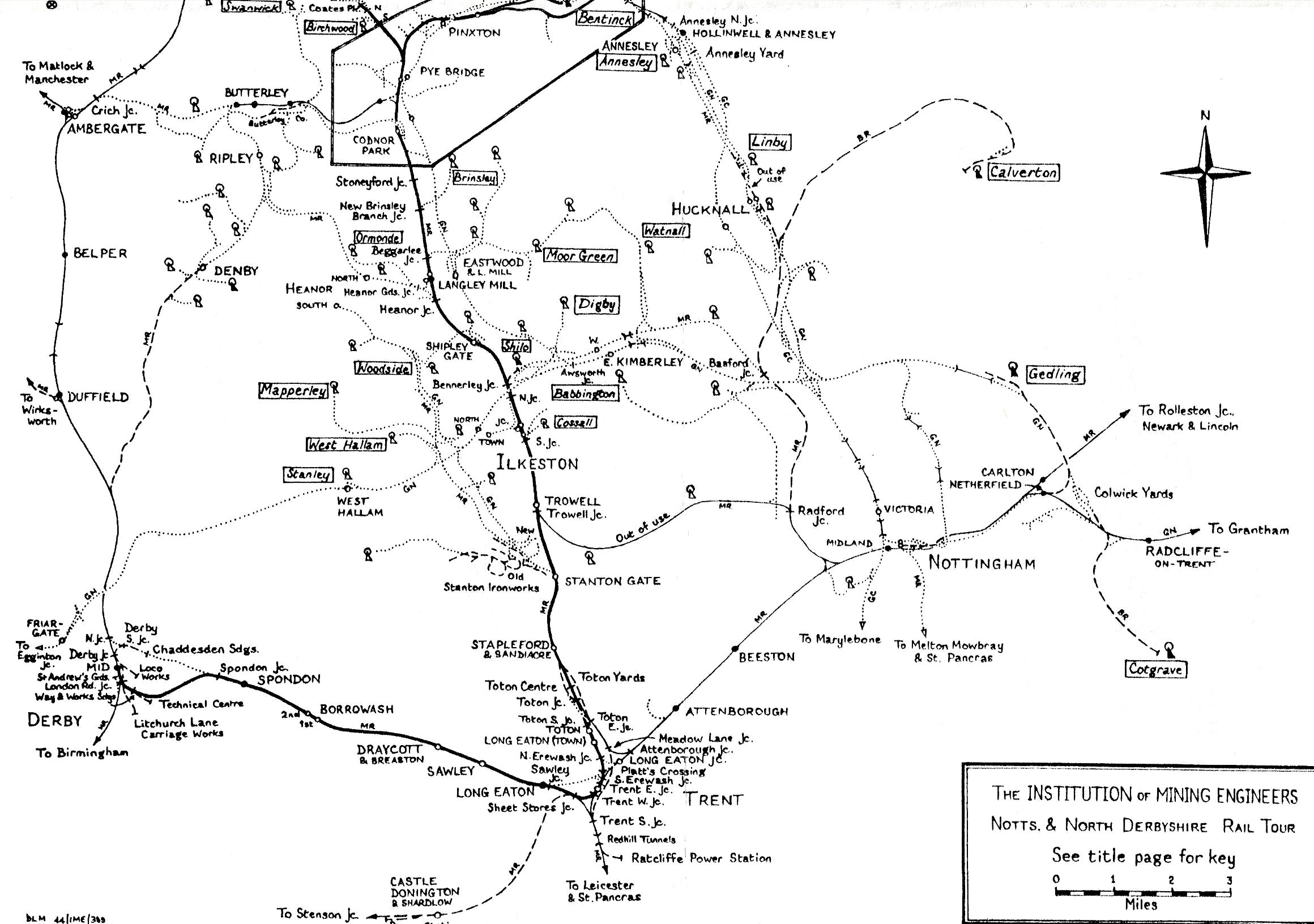
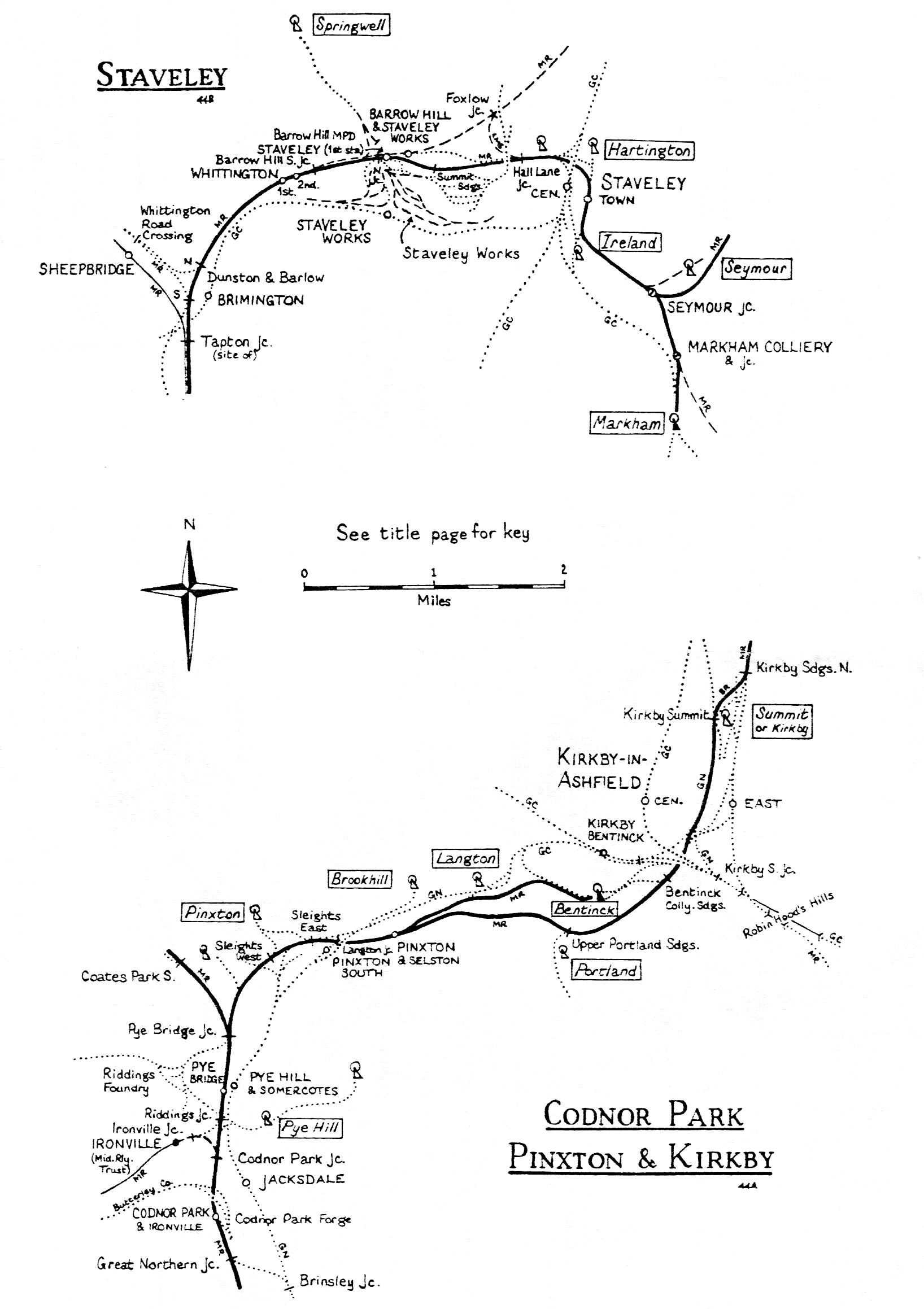
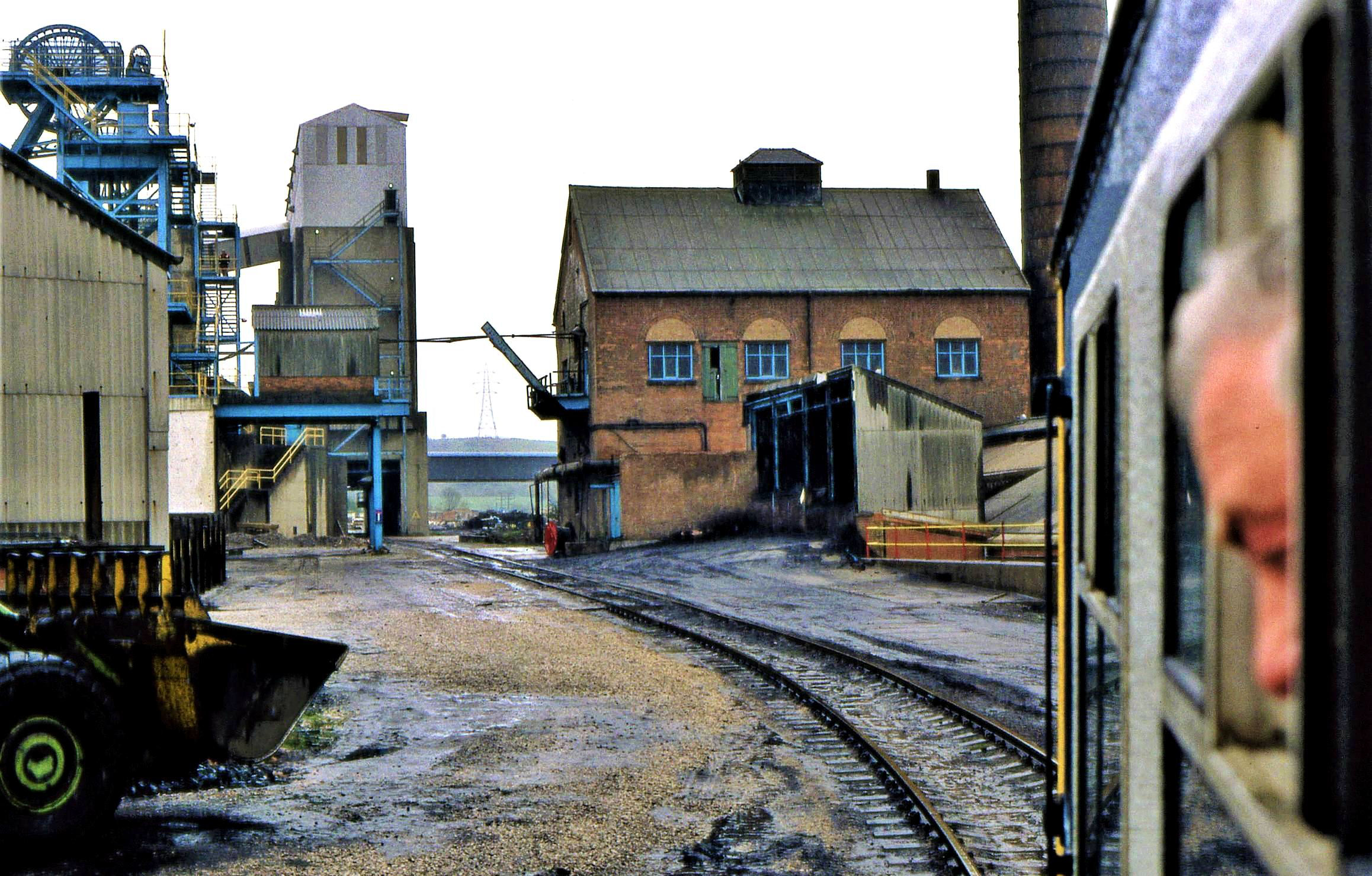
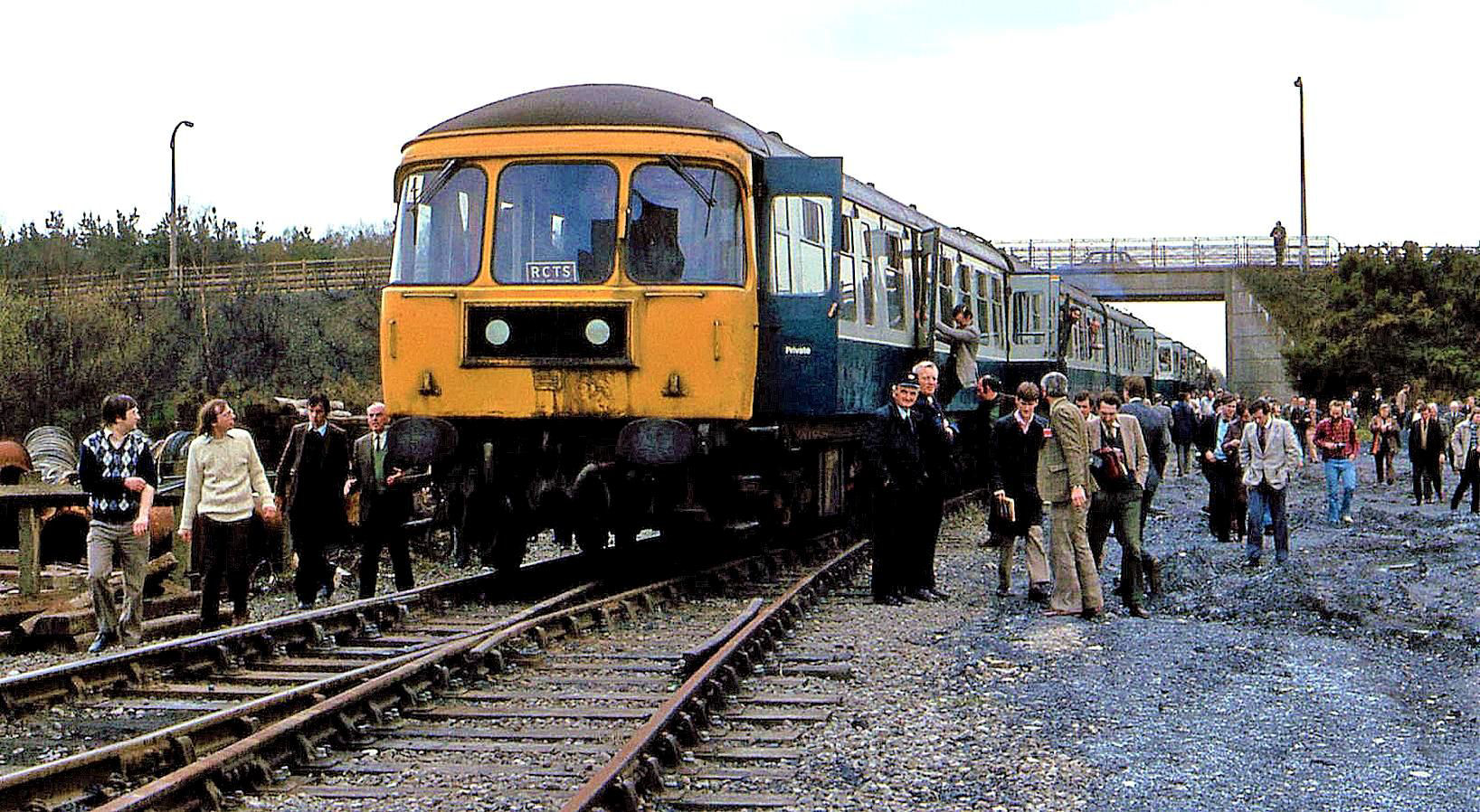
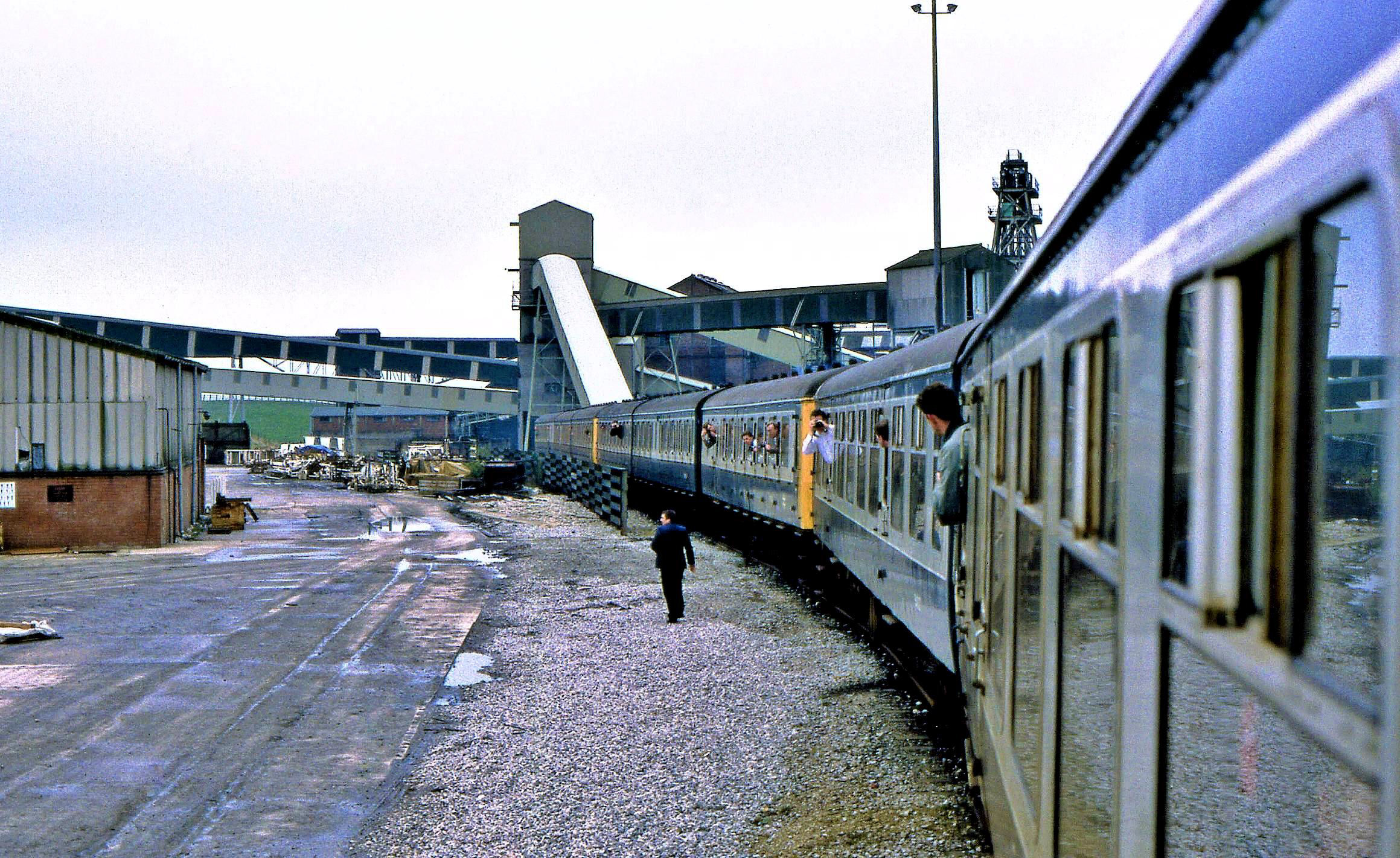
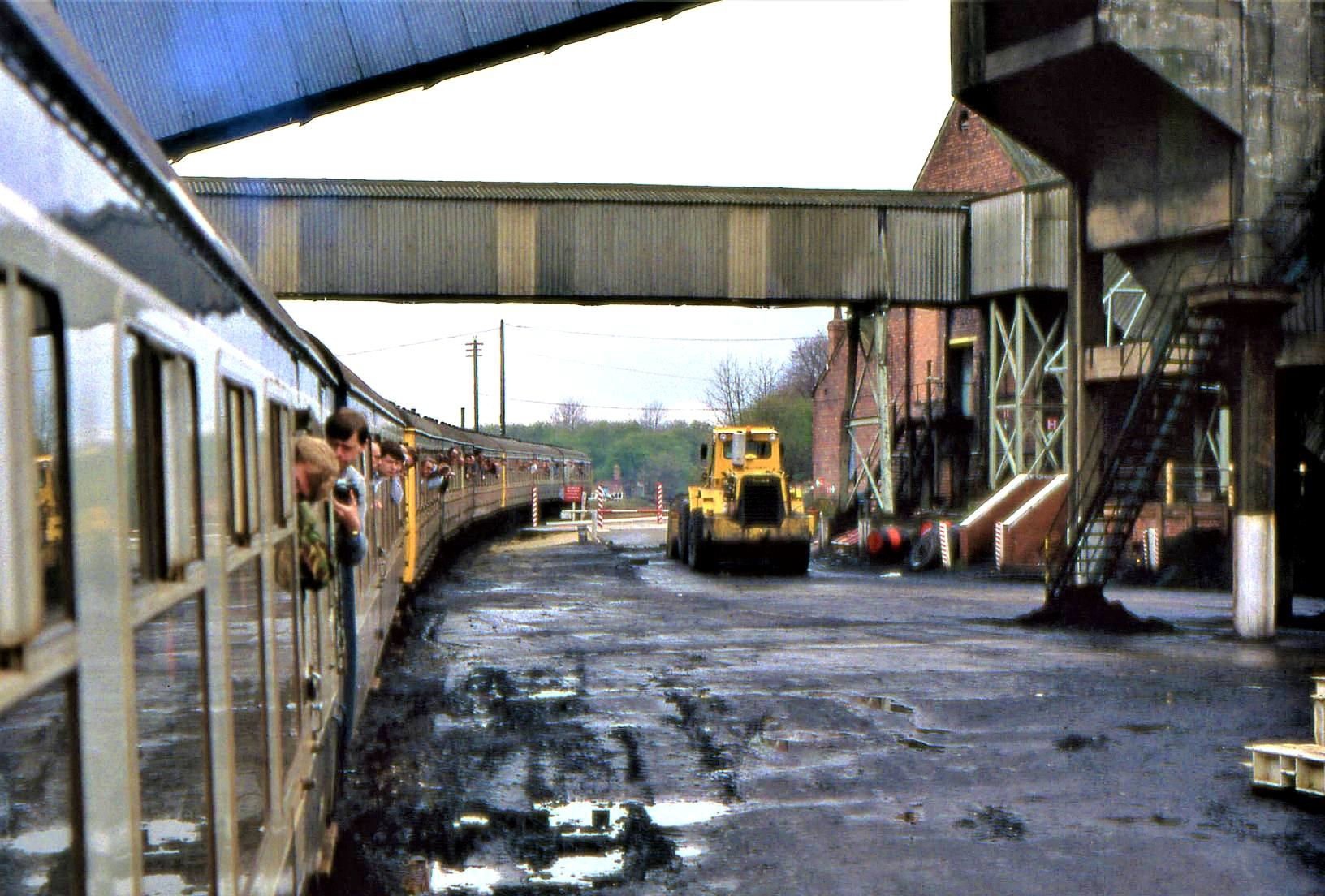
Exactly three weeks after the first tour, the second https://bit.ly/37oVsvx left Derby at 08.51 on St George's Day. It was formed of an 8-car train (two 3-car DMUs and one 2-car) which became the standard formation for most of the tours. It was the one that the writer had most been looking forward to, as it included lengthy branches, some of which served collieries on the verge of closure or which, in one case, had already closed the month before. At first the weather conditions were awful, with persistent heavy rain. This contributed to an inauspicious start to the tour as on the first branch from Pinxton North (formerly Langton Colliery Branch Jn) to Bentinck Colliery, poor railhead conditions and an adverse gradient meant that the units struggled and eventually slid to a halt at the start of the colliery area. Although disappointing, it turned out to be a blessing in disguise, as will be described in a later report. Bentinck opened in 1896, also raised coal mined at Annesley Colliery 2¼ miles away in the Leen Valley as they were connected underground in 1983, but, despite this 1,000 miners lost their jobs when they both closed on 28 Jan 2000.
Although the weather later improved, it did have an adverse effect on timekeeping as well as affecting how far the tour reached in a couple of places. After running through Mansfield and Shirebrook, we next visited the 3m 54ch branch to Welbeck. Welbeck Colliery survived until 11 May 2010 (when 410 jobs were lost). The final train clearing coal stocks was 10.20 Welbeck to Drax on Fri 1 Oct 2010. Until 2 Nov 1959 Welbeck was also served by a lengthy London, Midland & Scottish Railways branch (which had only opened 30 years earlier) from Shirebrook Jn to the opposite side of the colliery.
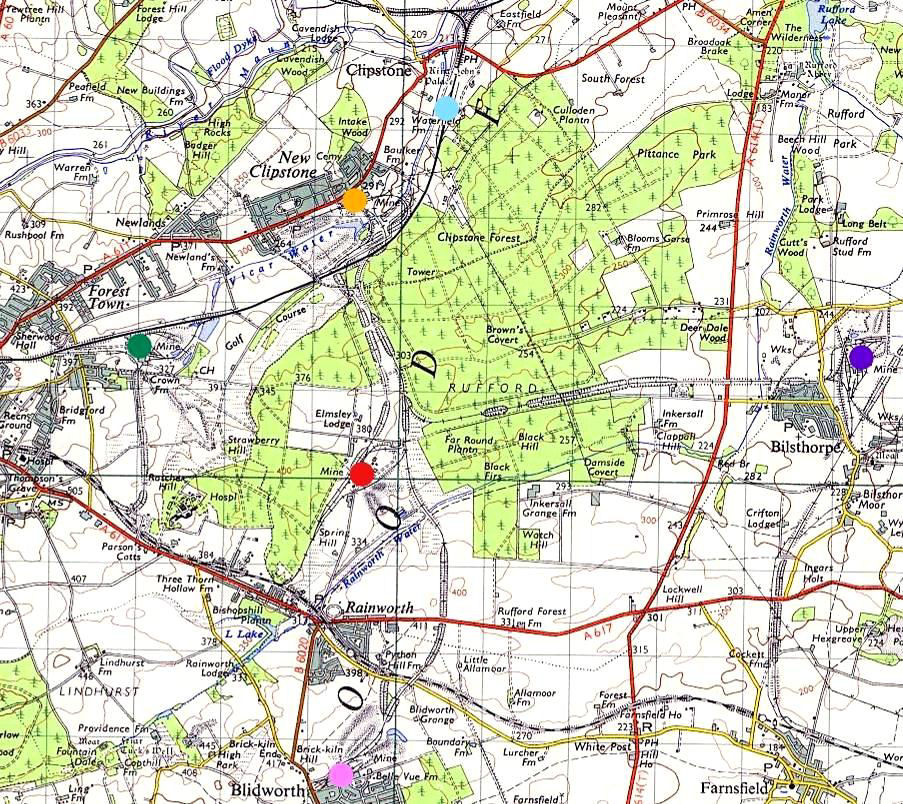
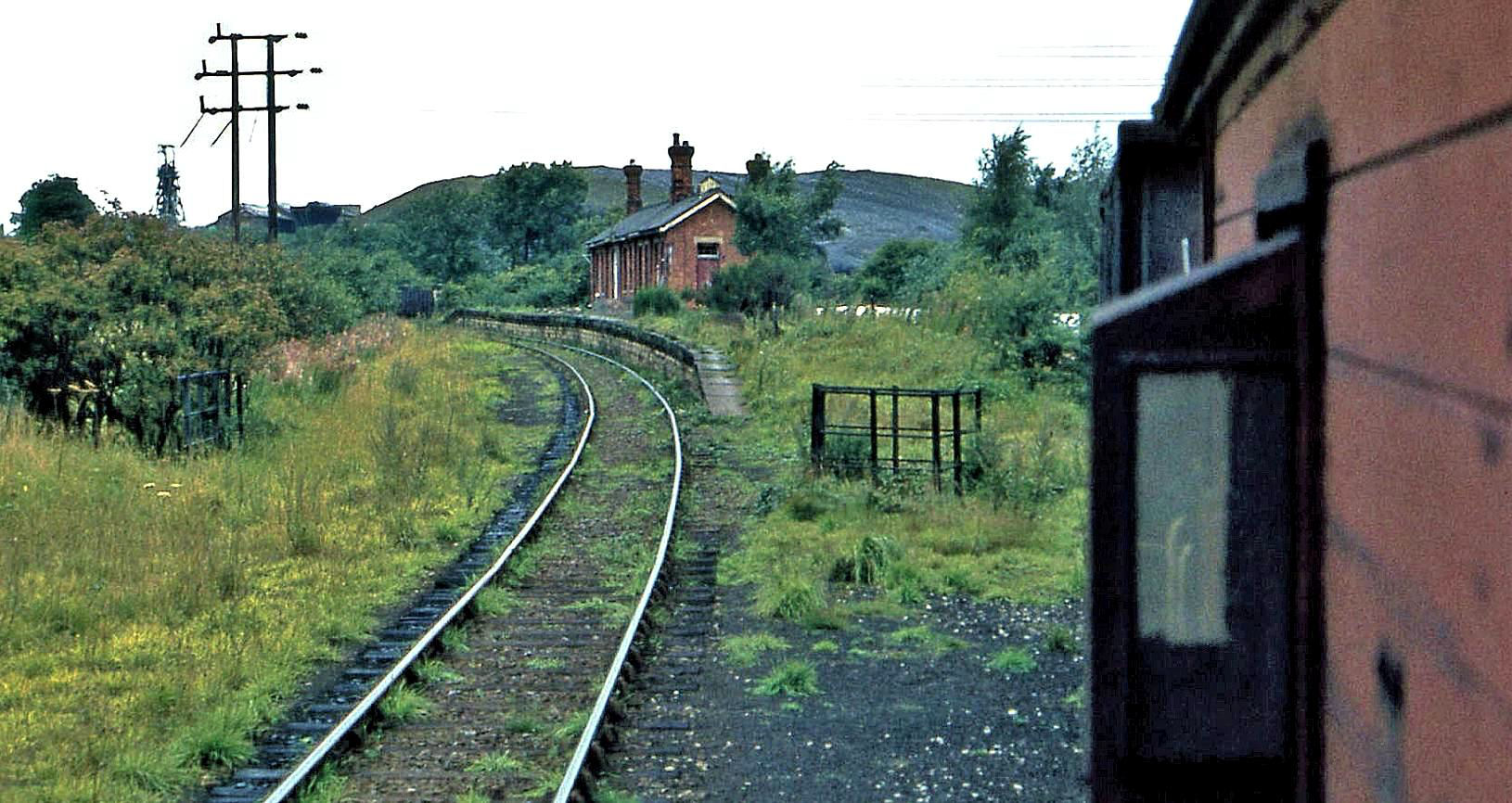
It was notable for having a passenger platform, just before the colliery, which featured in PSUL and was used for annual miners' excursions until at least 1980 (also taking some of our members). We proceeded past the platform and through the bunker (3m 32ch), but short of the line end. The next target was another lengthy branch, this time of 4½ miles to Bilsthorpe Colliery, which was reached via Clipstone West Curve and Rufford Jn. Rather incongruously, like Rufford and Clipstone Collieries it is in Sherwood Forest. Bilsthorpe, like Welbeck, had by then a simple layout in the form of a single track through a bunker, and this time we reached the line end. Bilsthorpe, sunk in 1925, closed 31 Mar 1997 after 50 years of production. Before simplification in Mar 1976 it probably had the most complicated and difficult to understand colliery layout in the UK (BLNs 282 p161 & 283 p164) including a connection to the Mid-Nottinghamshire Joint Railway (from Ollerton south towards Farnsfield Jn).
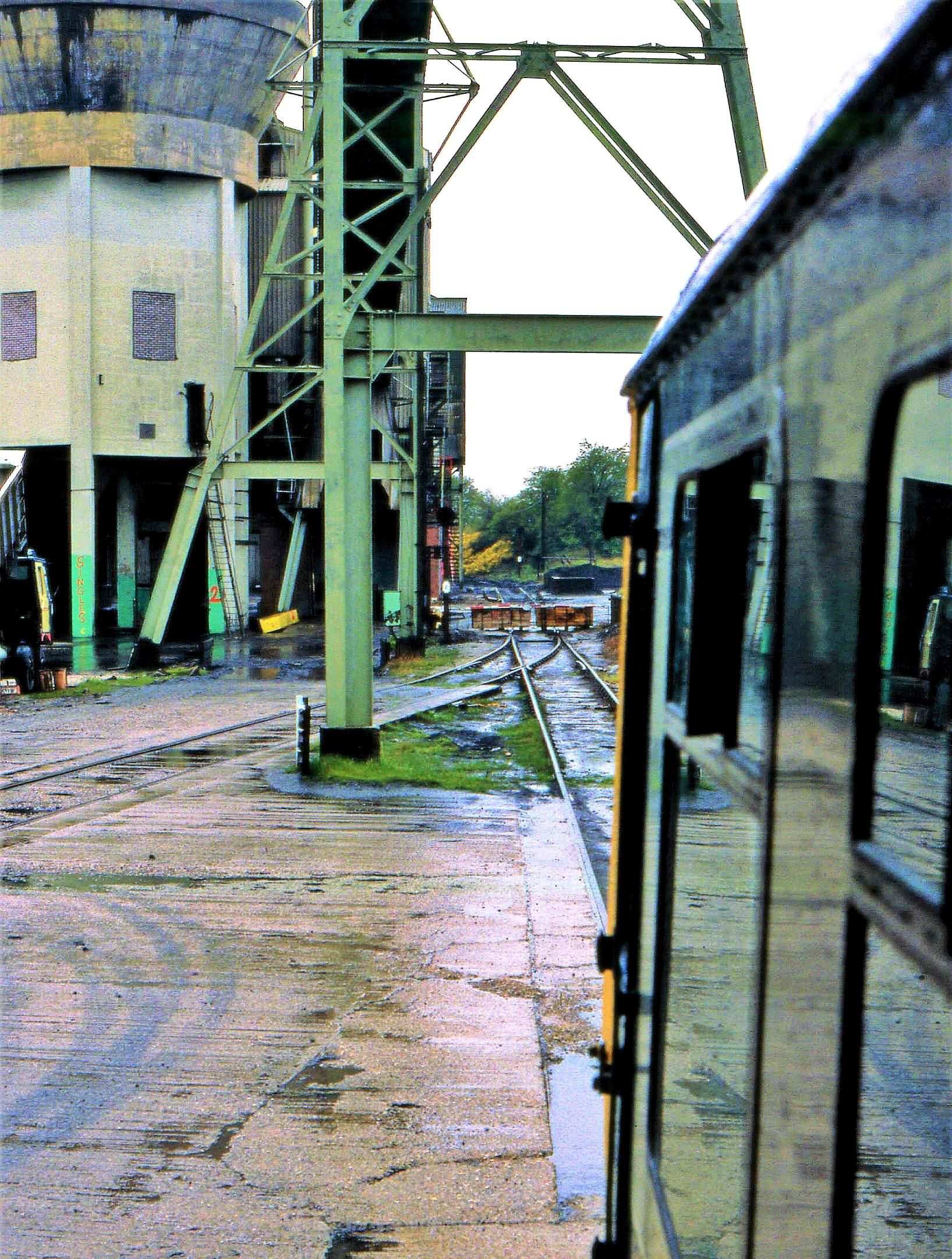
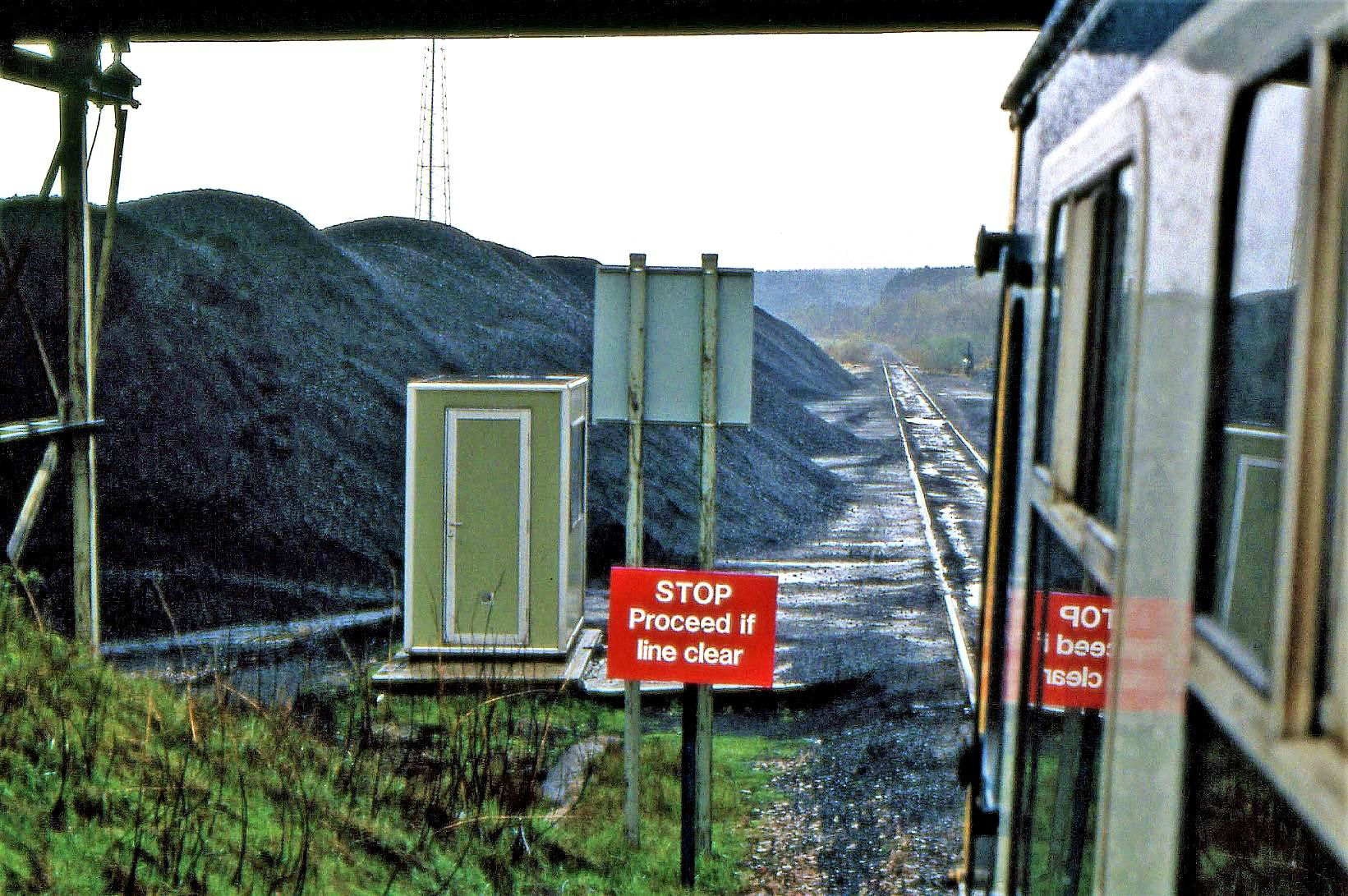
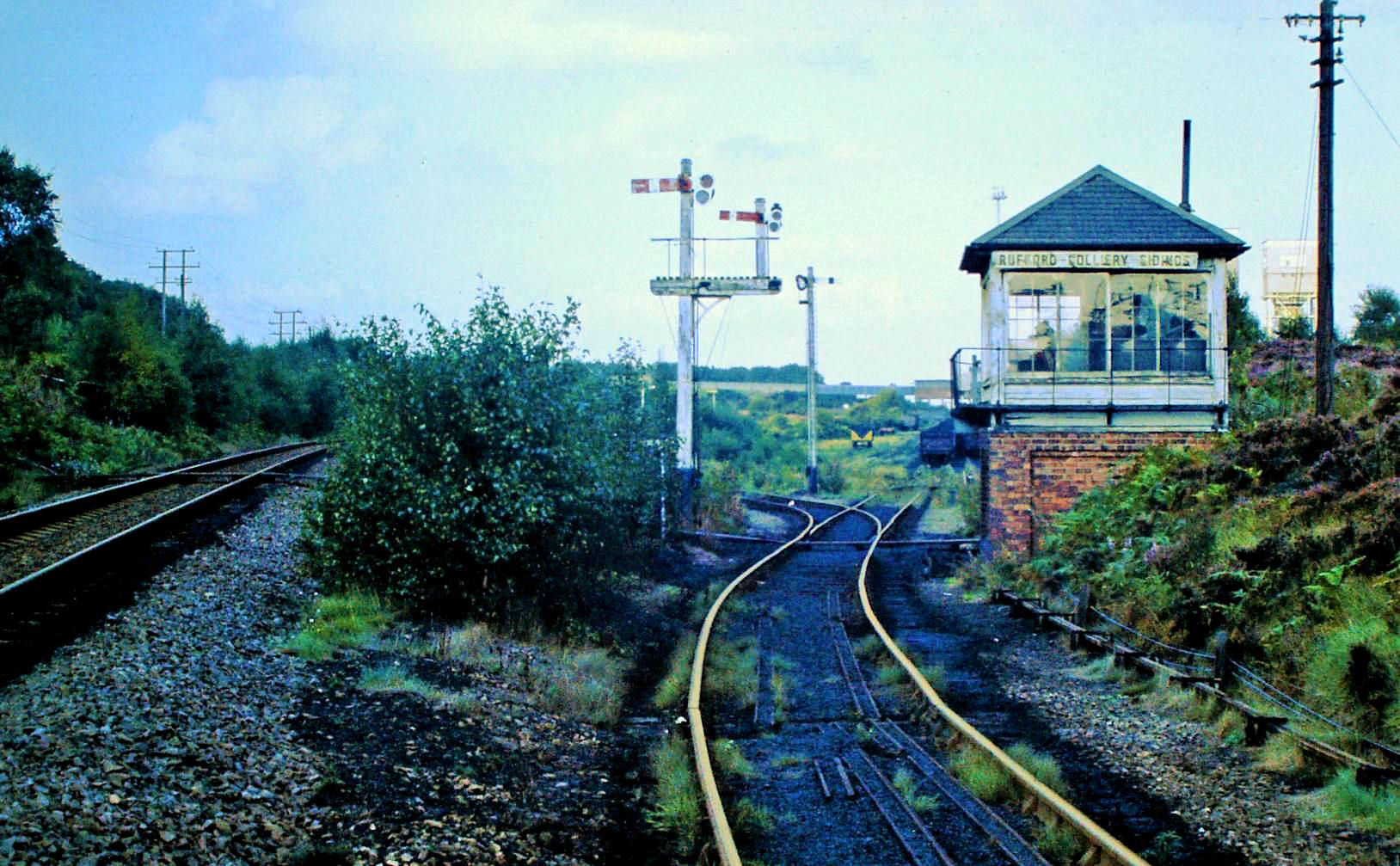
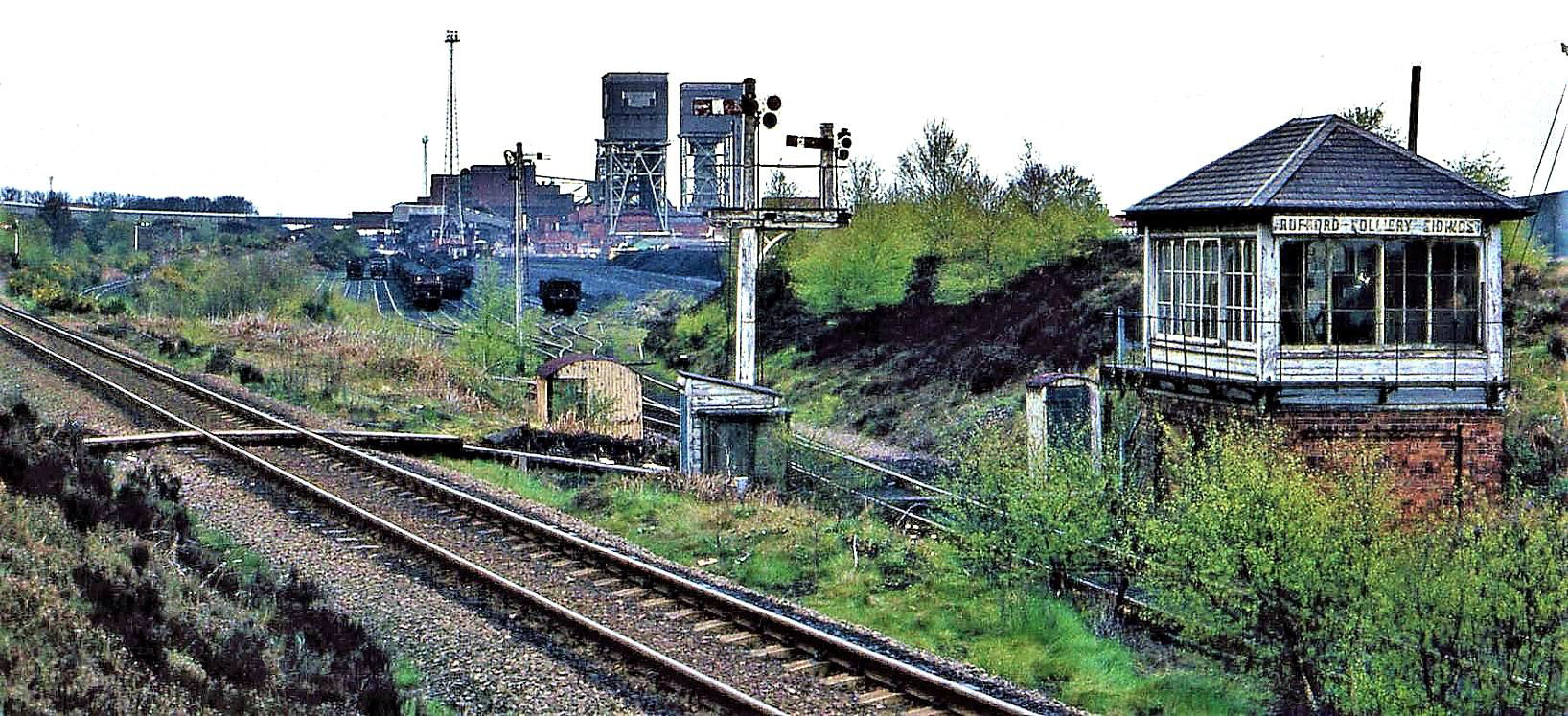
The next colliery, Blidworth, was the furthest south visited and had closed the month before the railtour on 1 Mar 1989. Track lifting had begun, so participants were fortunate to reach the colliery bunker. It was then on to Rufford Colliery which, along with Blidworth, Bilsthorpe, Clipstone and Mansfield, had been served by separate lines operated by the London & North Eastern (L&NER) and LMS, which made for a very complicated system. At one time empty wagons were generally brought in via British Rail's Eastern Region lines (successors to the L&NER) and the loaded left via the London Midland Region lines (successors to the LMS). The LMS line from Mansfield South Jn, which by the end only served Rufford Colliery, closed 17 Oct 1983. As the main loading point for Rufford was on the LMS branch, a new connection (opened 12 Dec 1983) was constructed between the L&NER and LMS south of Rufford Colliery Jn to access it. The tour used this connection and proceeded to just short of the loading pad. We should have gone further but a combination of poor adhesion (again) and late running meant that the decision was taken to reverse here. Rufford Colliery closed 26 Nov 1993 although the preparation plant along with the Dec 1983 connection remained open until spring 2002.
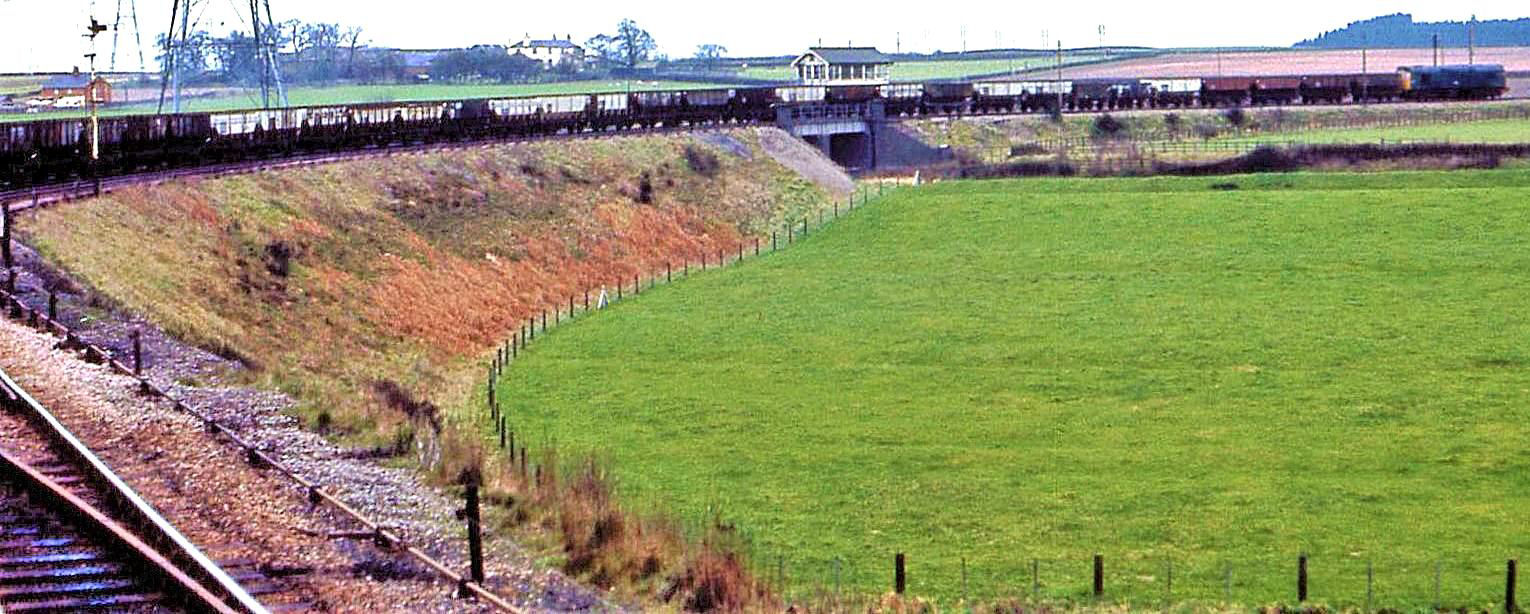
Returning to Clipstone South Jn, the east curve was taken to visit the Thoresby Colliery branch where, rather disappointingly, the tour only ran as far as the signal short of the colliery sidings (the British Rail boundary). Thoresby was the penultimate UK deep mine to close, surviving until 10 Jul 2015. The next colliery on our itinerary was Bevercotes, a 5m 13ch branch, visited by a LCGB tour in 1982. This IMinE tour ran further, going through the bunker and stopping around 50 yards from the line end. The colliery began production as late as 1965 and lasted less than 30 years, closing on 7 May 1993.
After running back to Shirebrook, the short branch to Warsop Main Colliery was taken (which ran beneath the Lancashire Derbyshire & East Coast line east of) to beyond the bunker around 150 yd from the line end. This turned out to be another 'last chance' line, as the colliery, said to be losing £200,000 a week, closed on 25 Aug 1989. Running back north through Elmton & Creswell to Seymour Jn, the DMUs reversed and ran to the line end at Markham Colliery, where production ended 2 Jul 1993.
From here it was via Chesterfield and the Up & Down Goods line through Doe Hill to Tibshelf & Blackwell Branch Jn. A reversal here took us to Sutton Colliery Jn, where the 1½ mile branch to Sutton Colliery was traversed. This was a particular highlight for the writer as the colliery was known to have a limited life due to the exhaustion of coal seams, and in fact closed on 11 Aug 1989 less than four months later. The tour ran through the colliery area and to the points accessing the loaded sidings.
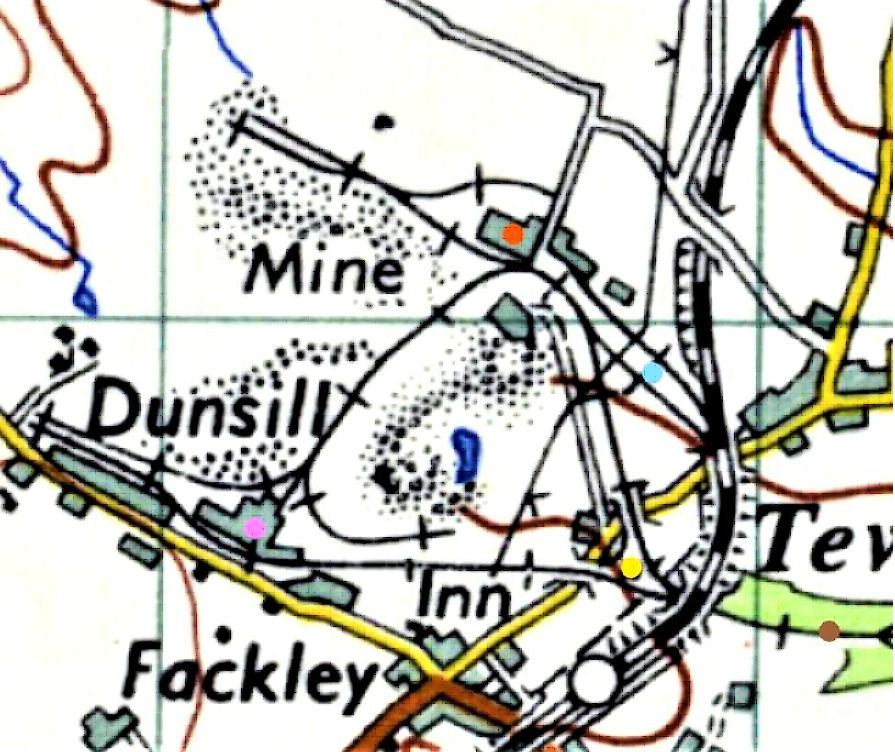
Returning to Sutton Colliery Jn, a reversal took us past the site of Butcherwood Jn (by then no longer a junction as the line to Pleasley Colliery had closed 7 Jan 1981) and on to the line, opened on the course of an NCB line in 1980, to Silverhill Colliery loading bunker. Prior to 1980, access to the colliery had involved am interesting double reversal at Teversall Colliery and the use of the end of the Great Northern Railway Teversal branch. Coal production at Silverhill ended 30 Oct 1992; after closure one of the spoil heaps was landscaped to provide a viewpoint. It was intended to be the highest point in Nottinghamshire, and was raised by an extra 5 metres to make it so (at 204.3 metres above sea level), but a subsequent survey found that nearby Newtonwood Lane was slightly higher, at 205 metres!
This was the final branch of the day, so it is pleasing to be able to report that a point just short of the line end was reached. A final reversal and we were on our way back to Derby, finally reached 75 mins late at 19.40 after visiting 11 collieries in just under 11 hours! The writer still regards this as the best UK railtour of the many that he has been on. https://bit.ly/3fw84Uy has more interesting information.
| Branch Line Society. A Company Limited by Guarantee - Company No 16743754. Registered in England and Wales. Registered address: 6th Floor, Derwent House, 150 Arundel Gate, SHEFFIELD S1 2FN |