BLS Devon Service Train Tracker
Sunday 7th July 2019 to Monday 8th July 2019
Report by Neil Greenwood
The Branch Line Society (Test)
Guest

The sequel to last summer's Cornish Tracker, the 'Devon Triangle of Doom Tracker' took place over the first weekend of July in great weather and long summer evenings. The Okehampton summer Sunday only services and limited use crossovers meant that the event had to be staged over a Sunday and Monday for the maximum amount of Devon metals to be covered. The group consisted of 11 members with three of us 'ducking in and out' of the main group's travels due to time limitations and other commitments. However, to compensate we came down to Devon on Saturday morning to get the most out of the weekend. We met up at Plymouth for the 15.43 Newquay to Newton Abbot, a chance to travel on one of the shortened 4-car HST 'Castle' sets and more importantly covering the little used crossovers approaching Newton Abbot to arrive in P1. This was also to be done by the main group on the Monday afternoon.
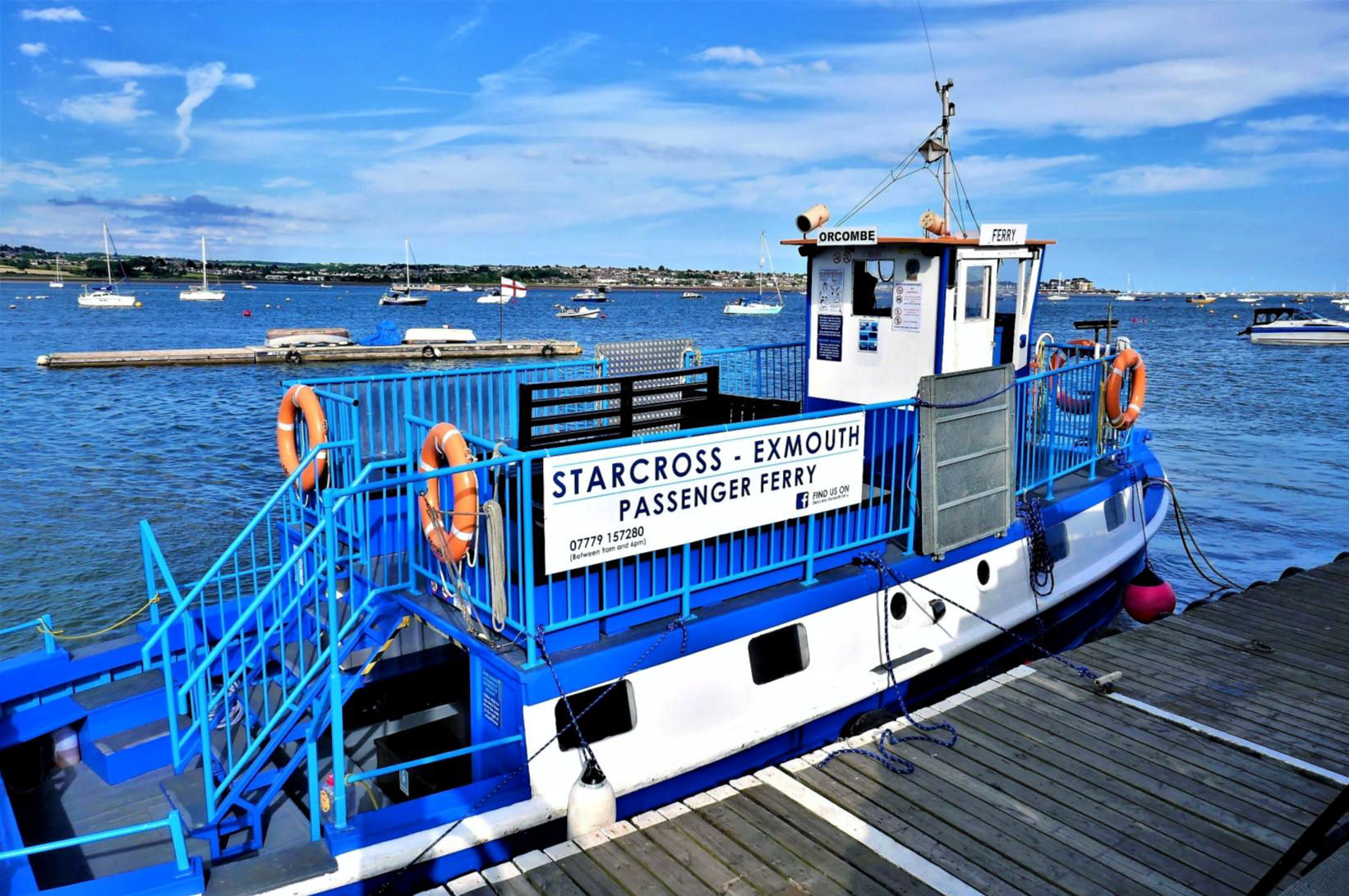
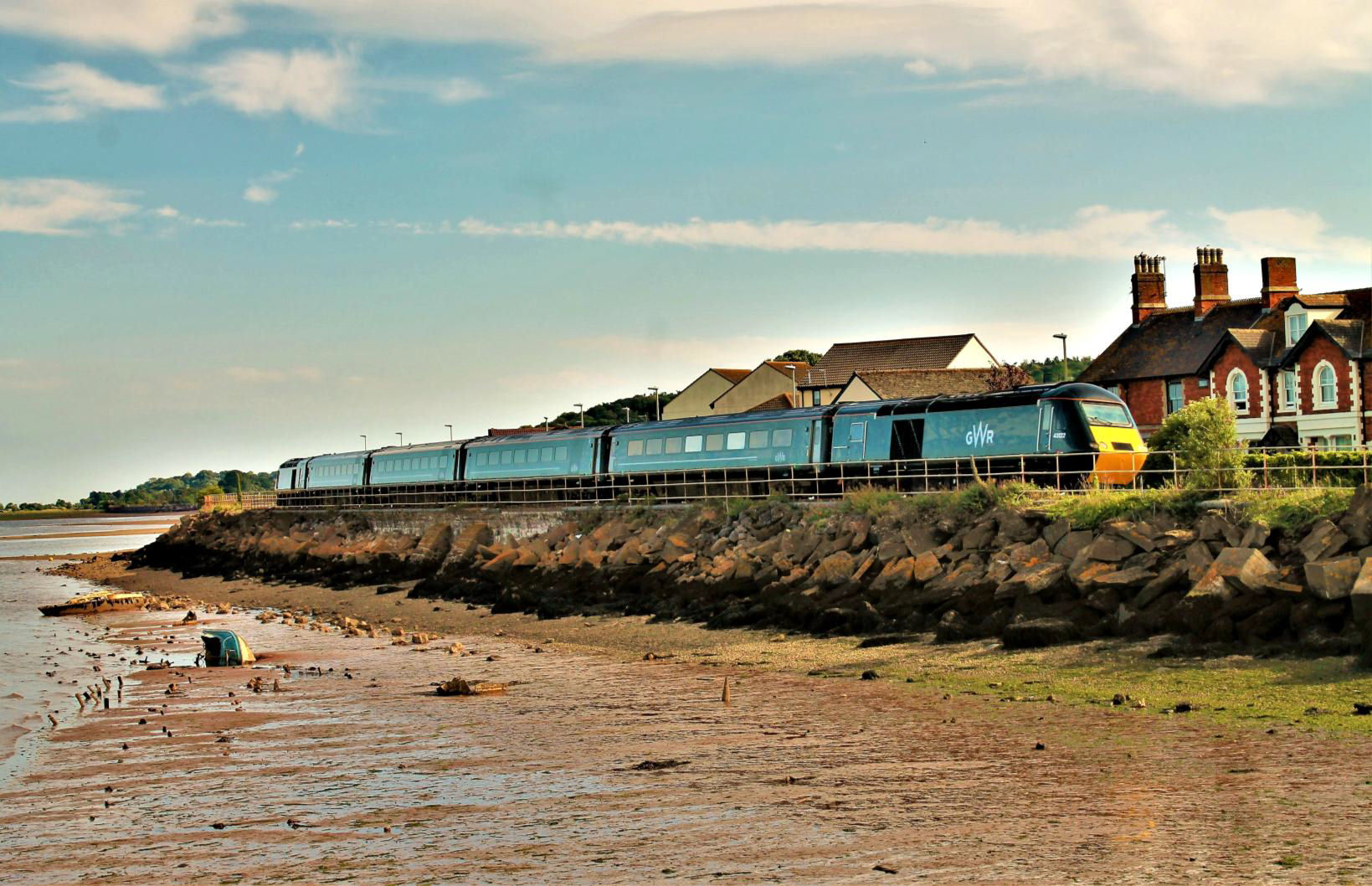
A connecting move at Newton Abbot took us to Starcross in time to catch the last ferry of the day to Exmouth (at one time included on All Line Rovers). There are only eight crossings a day, subject to tide, which at 20 minutes to cross compares very favourably with the ¾ hour or so on the train. Arrival back at Starcross on the ferry was just in time to take a photo of a GWR short set HST on 2C51, the 17.50 Exeter St Davids to Penzance service. Just west of the station still exists the pumping station that formed part of Brunel's Atmospheric Railway. It was one of three built by the South Devon Railway, the other two were at Torquay and Totnes. However, Starcross was the only one ever used.
The reason behind the concept, which had been previously used successfully on short lengths of track in Ireland, was to overcome the problem of running steam locomotives of the time on severe gradients such as at Dainton. In the system adopted by the South Devon Railway, a large diameter tube was laid between the rails. This was connected to a series of pumping engines, which were able to evacuate the air from the pipe. Running along the top of the pipe there was a slit, which had a leather flap attached to one side. This closed over the slit and allowed a vacuum to be created in the pipe. Unfortunately they used to leak and rats would eat the leather which also wore very quickly.
Slung under the first vehicle of the train was a piston which fitted snugly into the pipe, the connection from the piston to the vehicle being made through the slit in the pipe. Prior to the train leaving, the air was pumped out of the pipe ahead of the train (in advance of the direction of travel). Air at atmospheric pressure was then admitted to the pipe behind the piston and the train was propelled forward by this pressure.
Starting trains from stations was difficult, and small auxiliary pipes were provided with rope attached to small pistons. The ropes were coupled to the front of the piston carriage and used to assist the starting of the train being disconnected once the train was in motion.
The Atmospheric Railway at Starcross was in use for one year before the project was abandoned but it was the World's longest atmospheric railway, could propel trains of 120 tons and on one occasion the 8½ mile journey from Exeter to Starcross was completed in 15 mins. 172 years later it takes 11 mins.
A trip to Paignton and then Exmouth made a nice end to the day with a mid-evening finish at Exeter. The Great Western Hotel where we stayed was extremely handy for the station, as the name suggests.
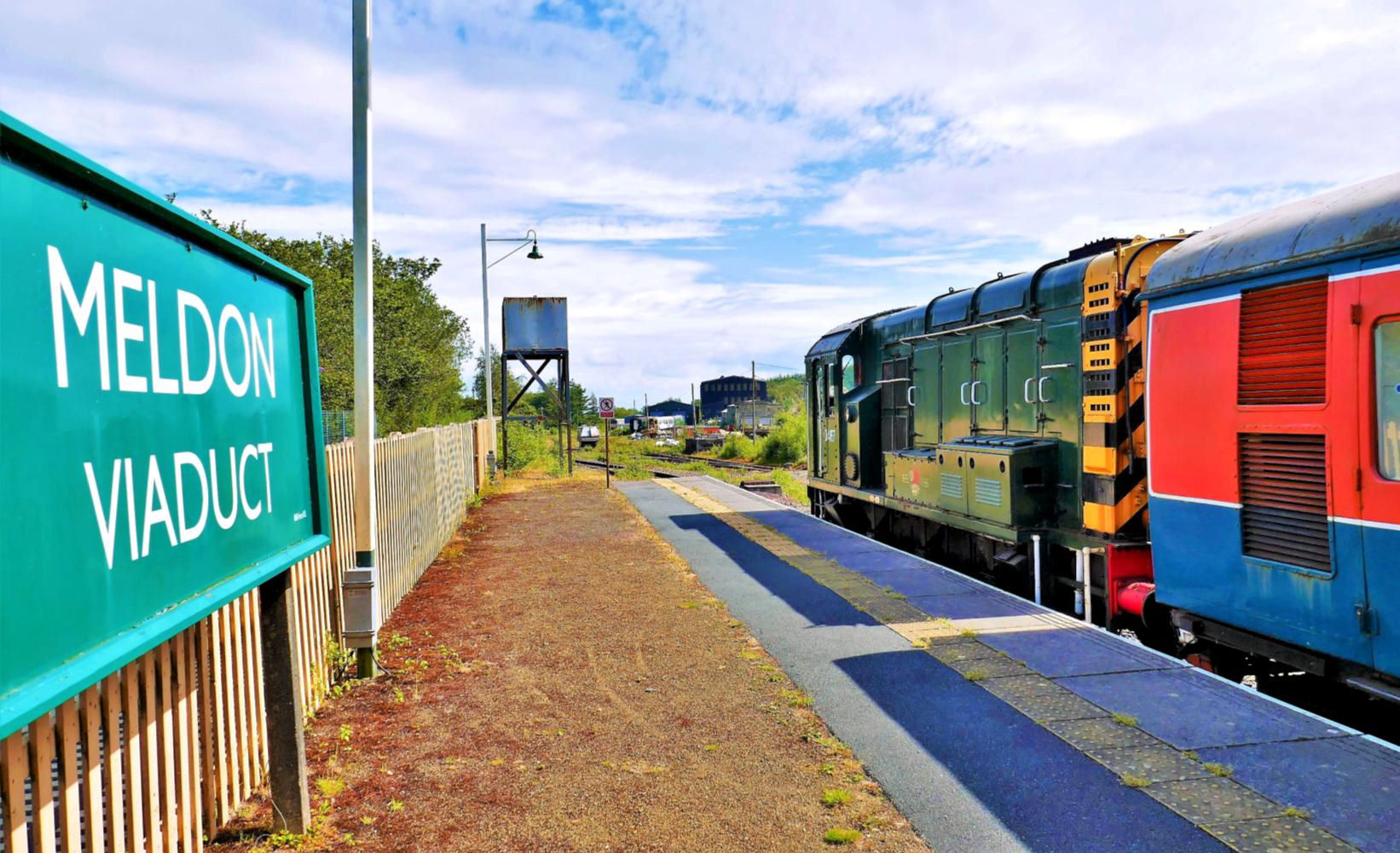
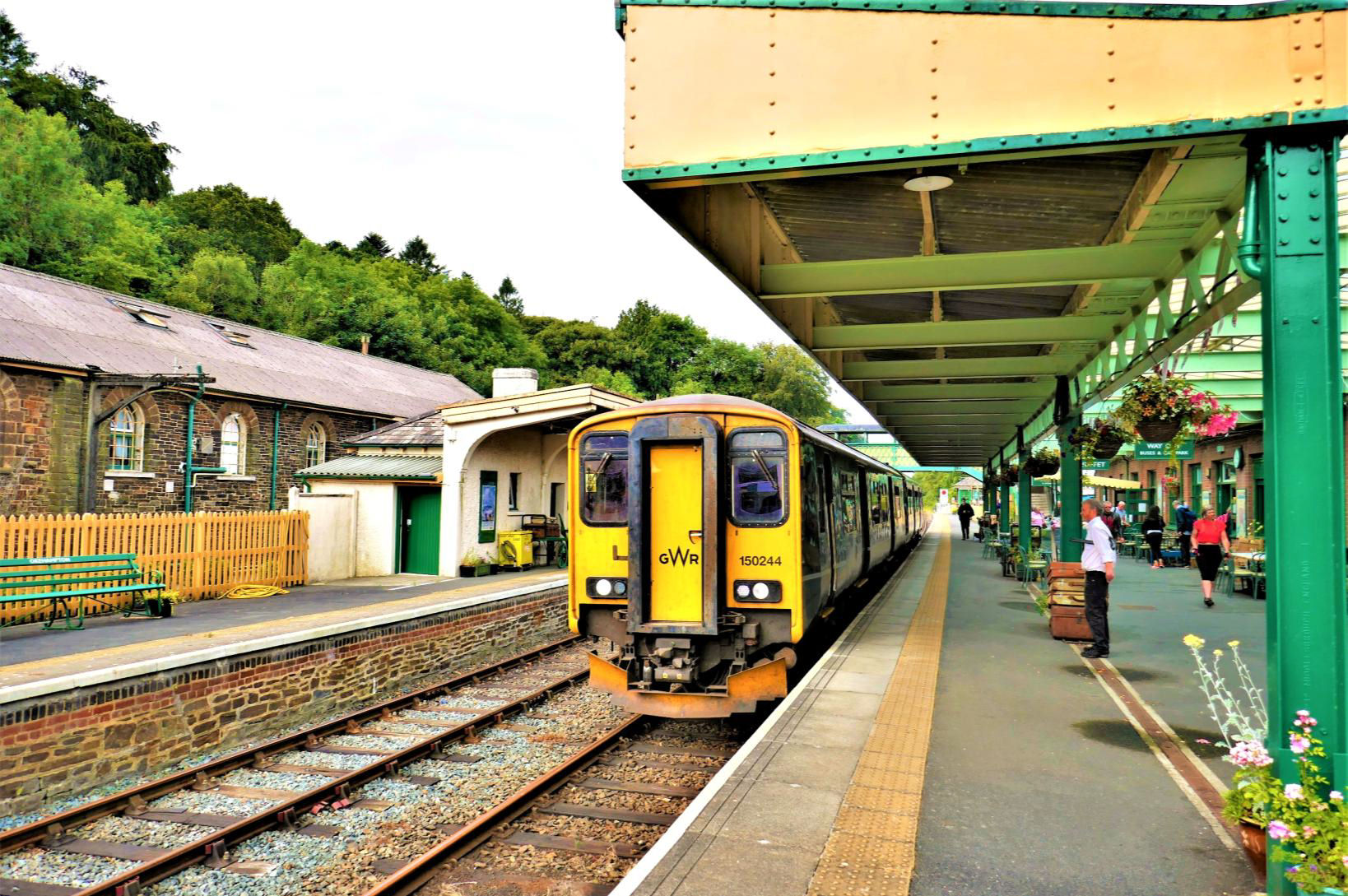
The first day of the Devon Tracker saw the main group head off for Paignton, Exmouth and Dawlish to cover various crossovers and Down bay P1 at Exeter Central. The splinter group of three had a very leisurely 09.00 start with a run to Okehampton on the summer Sunday only GWR service. The reason for the split from the main group was so that we could spend a couple of hours in Okehampton between trains to travel on the shuttle to Meldon and to explore the local area full of railway history.
D4167 (08937) is owned by Aggregate Industries who run Meldon Quarry which has been mothballed for quite a few years (and the equipment dismantled) but allow the Dartmoor Railway to operate here. On normal running days the 08 supplements the Thumper but it was out of use with a technical fault.
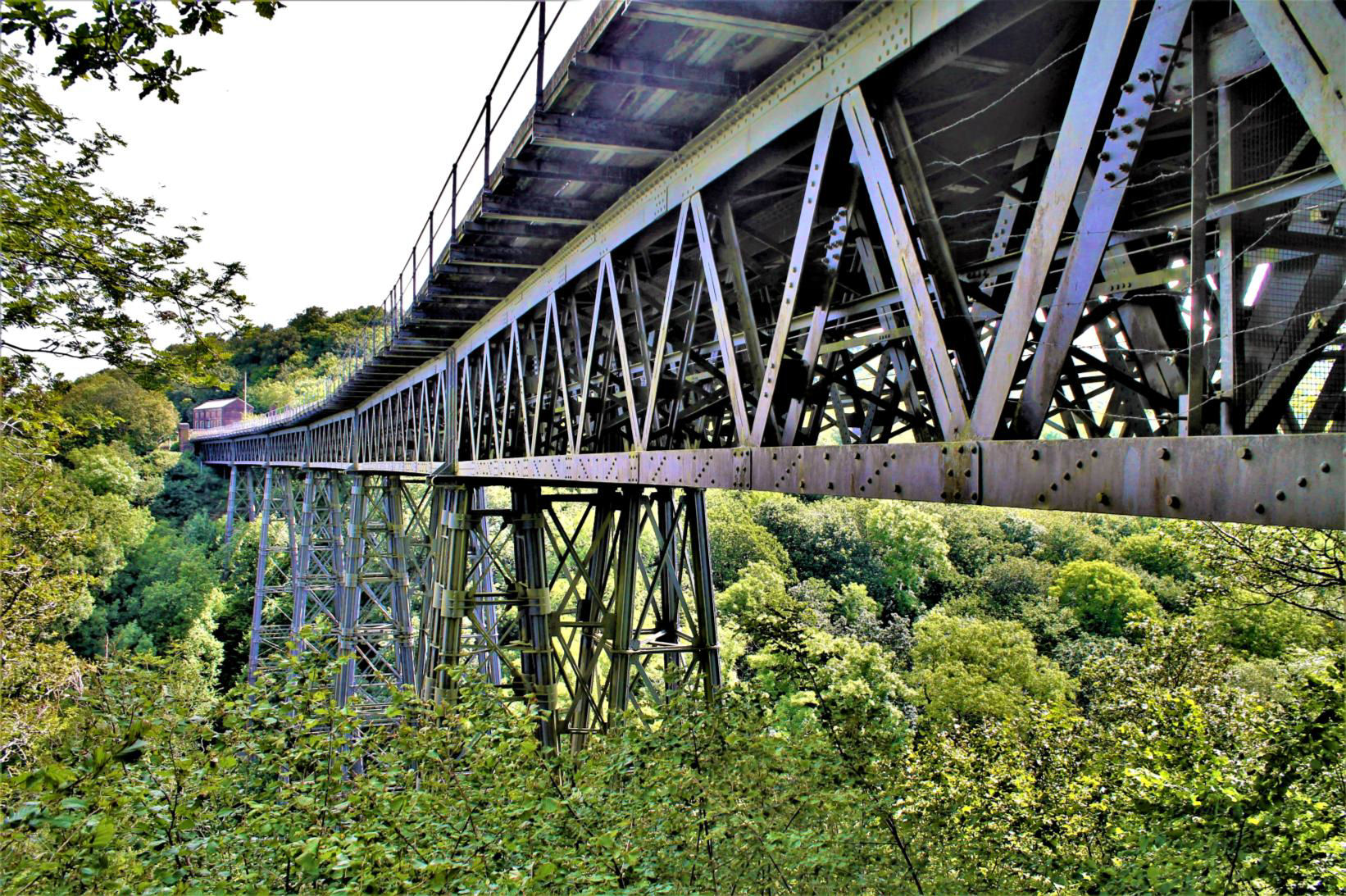
Meldon Viaduct on Dartmoor carried the London & South Western Railway above the West Okement River. The truss bridge was constructed from wrought iron and cast iron. Nowadays the viaduct (which would require rebuilding to reopen the line) carries pedestrians and cyclists but in its formative years traffic regularly flowed between Exeter and Plymouth. Traffic ceased from 6 May 1968 on the 20 mile section between Meldon and Bere Alston but most is available as a public foot and cycle path.
With 11 Devon Treckers now together we set off on the early afternoon run down the Tarka line to Barnstaple. It is named after the otter in Henry Williamson's book 'Tarka the Otter' which is set in the area. One rather endearing feature of this line was the launch of the Rail Ale Trail in 2002 in which passengers are encouraged to travel the branch line and visit one or more of the pubs along the way. There are around 10 pubs in the scheme and if you visit all of them you can get a free T-shirt! In the past 15 years or so passenger numbers on the line have roughly doubled. Over that time all stations along the line have enjoyed significant increases in passenger usage with the exception of three (Chapelton, Portsmouth Arms & Lapford). Maybe they are in need of a pub or two! It was good to see the investment in new track and at Barnstaple the lovely station café was open late Sunday afternoon.
As an aside, in 2011 James May relaid the Barnstaple - Bideford line with temporary miniature track and raced three trains from Barnstaple to Bideford while a German team did the run in reverse to Barnstaple. All six trains completed the 10 mile run with a 2:1 victory to the Allies! The run into Exeter St Davids placed us nicely in position to take the last train of the day at 17.05 to Okehampton from the little used north bay P2 (see item 2070). Returning from Okehampton was into the lesser used St Davids P6 via the east end crossover. For two of us it was time for a couple of pints and a curry at the Great Western Hotel while the rest of the group made a trip to Plymouth then Tiverton Parkway.
Monday, by necessity, started early at 06.41 due to the few trains planned each day to use the loop platform at Honiton. There are only around four trains a day that run through P2 if a train crosses in the other direction in the peak hours when there are two trains an hour each way. The limit of the Devon Day Ranger is Axminster where we had a 15 minute lay over before returning to Exeter.
An oddity of the Devon Day Ranger is that during the week, when validity doesn't normally start until 09.00, there is an easement allowing the 06.41 Exeter to Waterloo service to be used. Unfortunately no such alleviation on the return service so we had to buy single tickets back to Exeter. The complexity of planning the Devon Tracker meant that we would be unable to cover both Up and Down platforms at Axminster which would require a move to Yeovil Junction. However, due to all moves being successful at the first attempt, freeing up some time, a number of us made it to Yeovil later in the day.
Back at Exeter the 'lightweights' among us returned to the Great Western for a full English whilst the 'heavyweights' continued on to Plymouth and then back to Newton Abbot which is where we all met up again. A little spare time at Newton Abbot had me reminiscing about the early 1970s and a family holiday to the area during which my brother and I spent all our time on Newton Abbot and Dawlish platforms or on the sea wall between Teignmouth and Dawlish, 'feasting' on a diet of Westerns.
A trip down the Riviera Line to Paignton gave a lesser used P1 arrival. The train then has to shunt ECS to the Carriage Sidings and reverse for a P2 departure or reverse ECS north out of P1 and use Paignton north facing crossover with another reversal to access P2. You can see why they prefer to arrive in P2!
| Branch Line Society. A Company Limited by Guarantee - Company No 16743754. Registered in England and Wales. Registered address: 6th Floor, Derwent House, 150 Arundel Gate, SHEFFIELD S1 2FN |